
European intelligence services warned of increased Russian actions against NATO
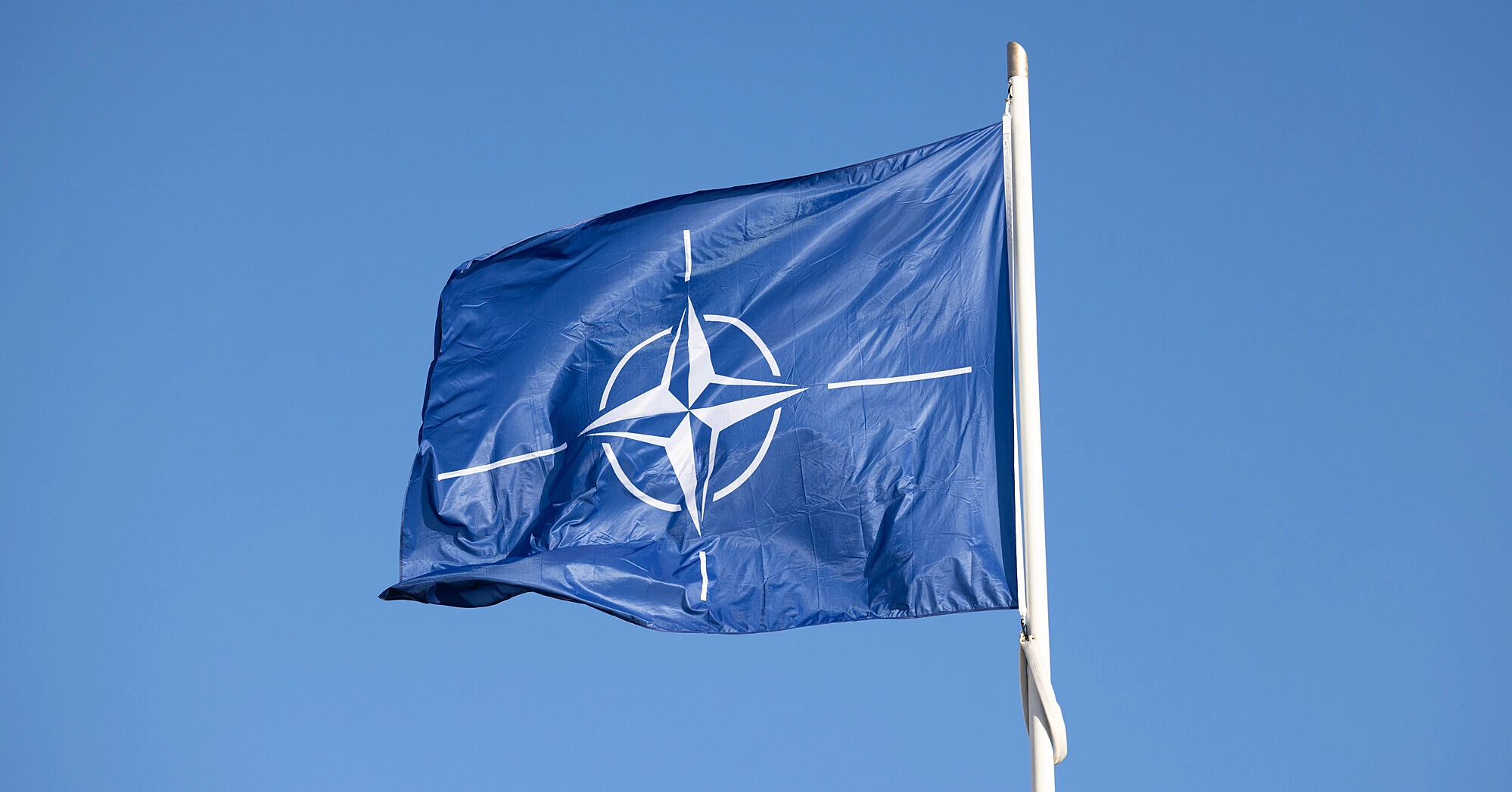
European intelligence services are detecting signs that Russia may move to more decisive hybrid actions against NATO countries. Among the possible scenarios are drone and missile strikes, sabotage against critical infrastructure, and even limited provocations on Alliance territory. At the same time, Baltic intelligence agencies emphasize that they currently see no signs of an imminent full-scale Russian attack on NATO.
Michal Koudelka, head of the Czech Security Information Service BIS, said that one possible scenario could be a limited incursion into a NATO country, a false flag operation, or a large-scale information campaign. In his assessment, such events could theoretically occur within "months, not years", although he stressed that European states are working to prevent them.
The head of the Latvian State Security Service, Normunds Mežviets, assesses the situation much more cautiously. According to him, the intelligence service sees no evidence of preparation for an imminent attack, but it is detecting signs of Moscow's preparation for more decisive actions in Europe. It is not yet clear whether this refers to a specific military scenario or a continuation of the campaign to intimidate and destabilize European countries.
Separately, European secret services expect an intensification of the Russian sabotage campaign. Thomas Nilsson, head of Sweden's military intelligence, drew attention to attacks capable of causing casualties or serious damage to critical infrastructure. Latvian intelligence, meanwhile, notes a shift in Russian interest from chaotic arson and sabotage to specific targets: railways, infrastructure supporting Ukraine, and defense enterprises.
Similar warnings were issued this week by Poland. Prime Minister Donald Tusk said in the Sejm on September 17 that, according to intelligence assessments, Russian plans may include hybrid drone strikes and missile attacks on states supporting Ukraine, including Poland. According to Tusk, one possible task for Moscow could be to test the readiness of allies to actually invoke Article 5 of the North Atlantic Treaty.
France also reported an increased threat. On September 18, President Emmanuel Macron held a meeting with parliamentary party leaders with the participation of French intelligence officials. The Élysée Palace announced an intensification of Russian hybrid threats, after which France strengthened measures to protect critical infrastructure and sensitive sites from cyberattacks and drones.
At the same time, European service assessments do not mean that a Russian attack on NATO in the coming months is considered an established scenario. Intelligence officers speak primarily of an increased risk of provocations and hybrid operations, the purpose of which, in their assessment, may be to reduce support for Ukraine, create divisions within NATO, and test the Alliance's response.
Source materials: The Guardian, Polish government, Élysée Palace.
