
Russia may be stockpiling ballistic missiles for winter strikes on Ukraine - Bloomberg
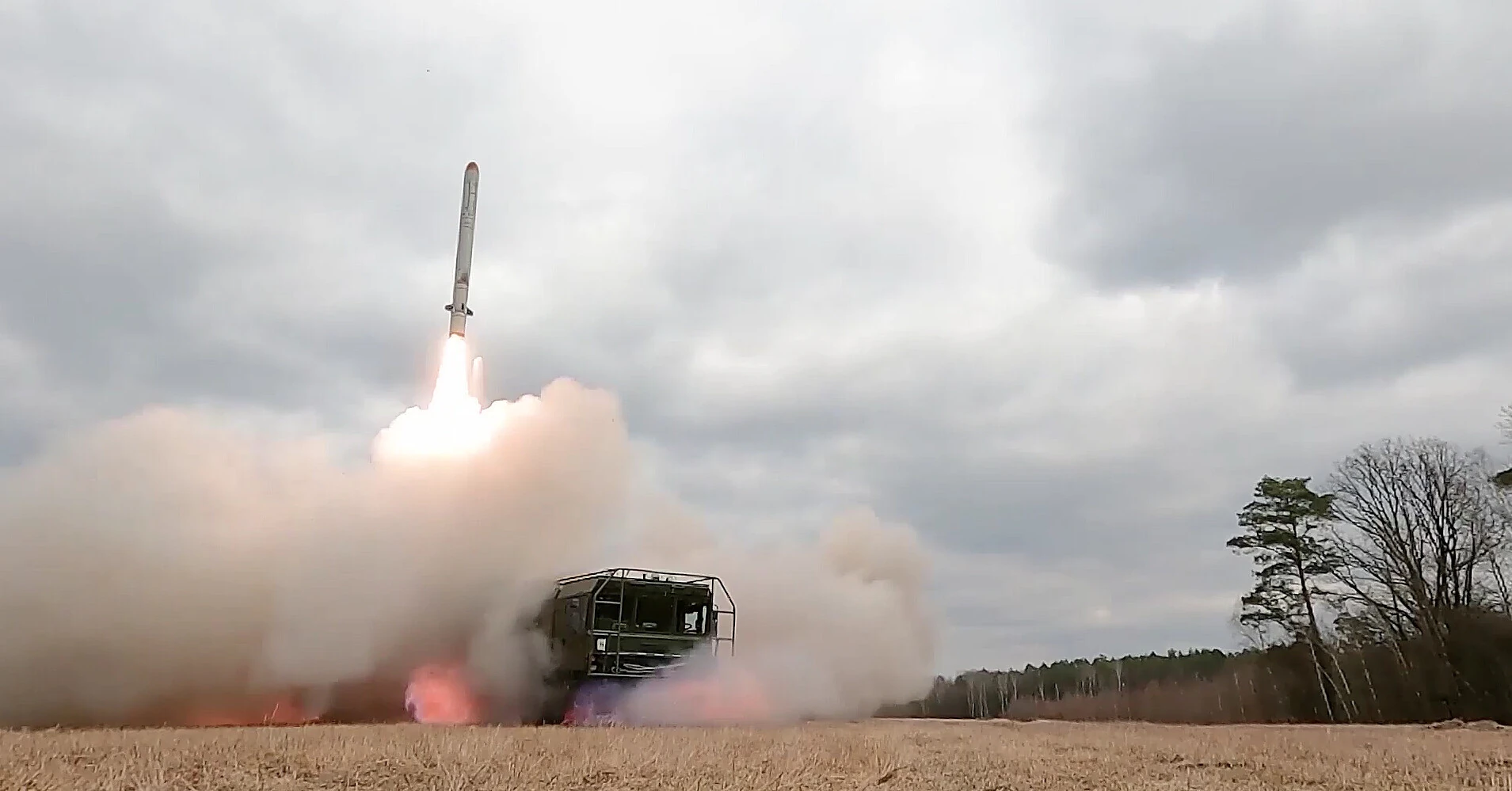
Russia may be stockpiling ballistic missiles for a new wave of strikes on Ukraine's energy and heating infrastructure during the heating season. This risk is indicated by a change in the structure of Russian attacks over the past weeks amid Ukraine's shortage of missiles for Patriot systems.
According to Bloomberg, since August Russian forces have noticeably reduced the use of ballistic missiles and increasingly employ reactive drones. Such a pause may allow Moscow to accumulate more expensive missiles for massive combined attacks during the period of greatest frosts.
A similar assessment is given by the Institute for the Study of War. ISW analysts, citing Ukrainian intelligence, note that Russia continues to increase production of ballistic missiles and may use larger packages of such weapons in winter against energy and other critical infrastructure.
A particular threat is the shortage of Patriot interceptors, as these systems are one of the key means of countering Russian ballistic missiles. An increase in the number of missiles in a single strike could further overload Ukrainian air defense.
At the same time, the main vulnerability of major Ukrainian cities remains centralized heat supply. It depends on large thermal power plants, boiler houses, pumping stations, and extended heat networks. Damage to one key facility can leave an entire district without heat, and during severe frost a prolonged outage poses a risk of water freezing in the networks and damaging pipes.
Such a scenario was partially realized last winter in Kyiv, when some districts simultaneously faced prolonged interruptions in heat, electricity, and water supply amid frosts below -20C.
This year Ukraine is trying to shift preparation from simple infrastructure repair to increasing its autonomy. As of early September, 79.2% of residential buildings were ready for the heating season - more than 114,000 out of nearly 144,000 planned.
The government is also strengthening backup power for heat and water supply facilities, creating emergency equipment reserves, and requiring regions to have alternative heat supply schemes in case of damage to main facilities.
According to Bloomberg, European partners are already providing Ukraine with spare parts for power plants and equipment for heating systems. Kyiv also relies on assistance from foreign repair crews in the event of large-scale damage to electricity, heat, or water networks.
Thus, the main risk this winter is not only the number of Russian drones, but the possibility of combining massive drone attacks with accumulated ballistic missiles exactly when the load on the energy system and heat networks will be greatest.
Based on materials: Bloomberg, Institute for the Study of War, Cabinet of Ministers of Ukraine
