
Farmers called for full abolition of 10% export duty on soybeans and rapeseed
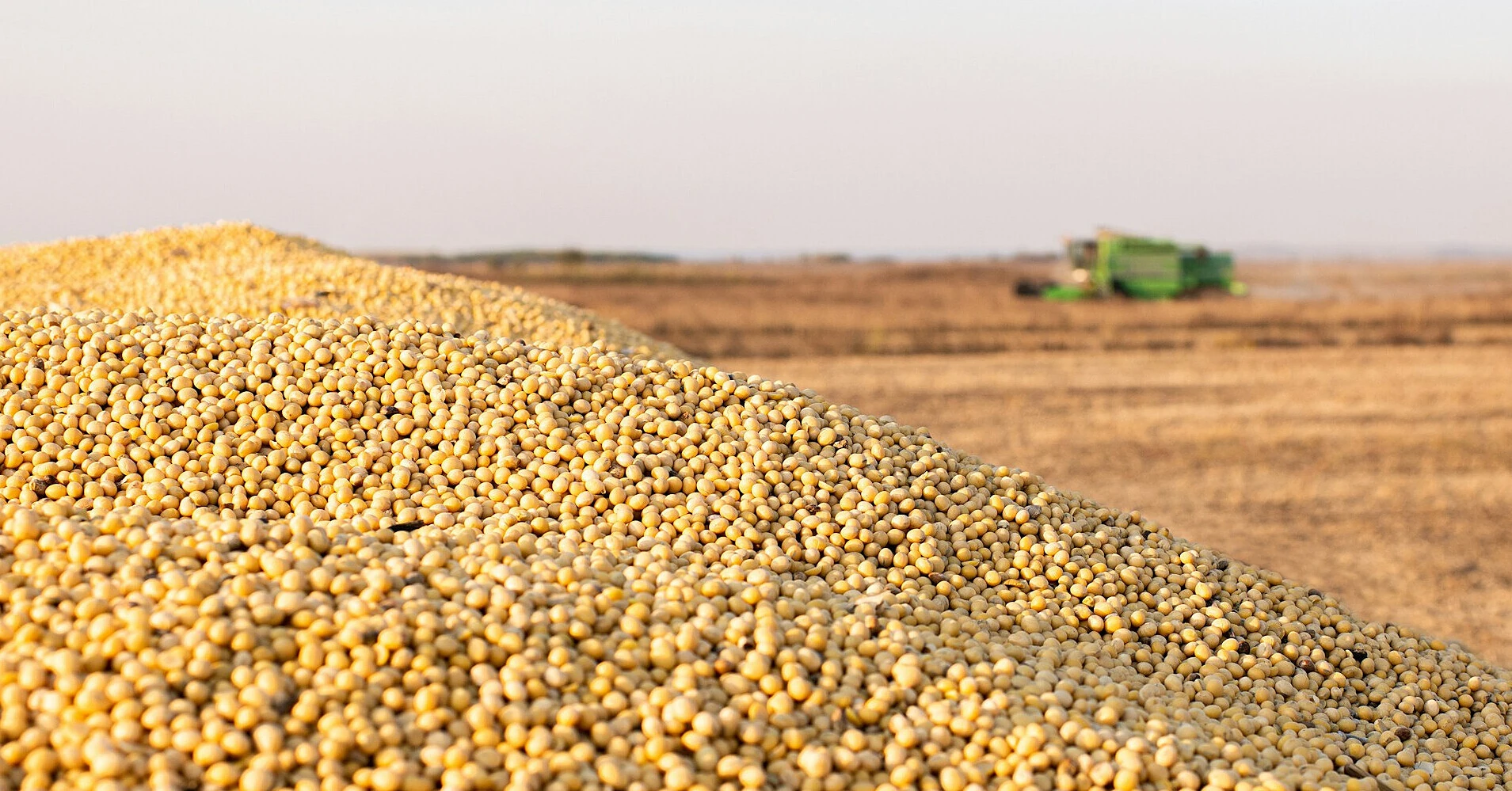
The Ukrainian Grain Association has called on the Verkhovna Rada and the government to abolish the 10% export duty on soybeans and rapeseed, saying it increases financial pressure on farmers and limits their ability to sell products at competitive prices on foreign markets.
The association supported bill No. 15522-1, registered in the Verkhovna Rada on August 20. The document provides for the introduction of a moratorium on the application of export duty during martial law. The bill is currently being processed in the parliamentary Committee on Finance, Tax and Customs Policy.
According to UGA estimates, in the 2025/26 marketing year Ukraine exported 2.7 million tons of soybeans versus 3.8 million tons the previous season. Rapeseed exports declined even more – from 3.2 million to 1.82 million tons.
The association calls the introduction of export duty one of the key reasons for the decrease in supplies of these crops. UGA emphasizes that the additional 10% reduces the funds remaining with agricultural producers to finance the next production cycle – purchase of fuel, fertilizers and plant protection products, payment of wages and loan servicing.
This burden is especially noticeable in wartime, when farmers simultaneously face more expensive logistics, attacks on port and transport infrastructure and more difficult access to foreign markets, UGA notes.
At the same time, export duty is currently not paid by all producers. The government previously introduced a mechanism that allows agricultural producers and cooperatives not to pay it when exporting self-grown soybeans and rapeseed. The right to the benefit is confirmed through the State Agrarian Register and applies only within confirmed volumes of own products.
However, UGA believes that this mechanism does not fully solve the problem. A significant part of the harvest is sold through traders and other links in the trade chain, and the current exemption rules do not cover all such operations. As a result, according to the association, the duty creates an imbalance in the domestic market and narrows the producer's choice of sales channel.
According to UGA, in wartime, the priority of state policy should be to preserve liquidity and export capacity of the agricultural sector. Therefore, the association proposes not to expand the system of exceptions, but to effectively zero the duty rate during martial law.
Based on materials: Ukrainian Grain Association, Verkhovna Rada of Ukraine
