
FT: Steel production in Ukraine has almost stopped after Russian attacks
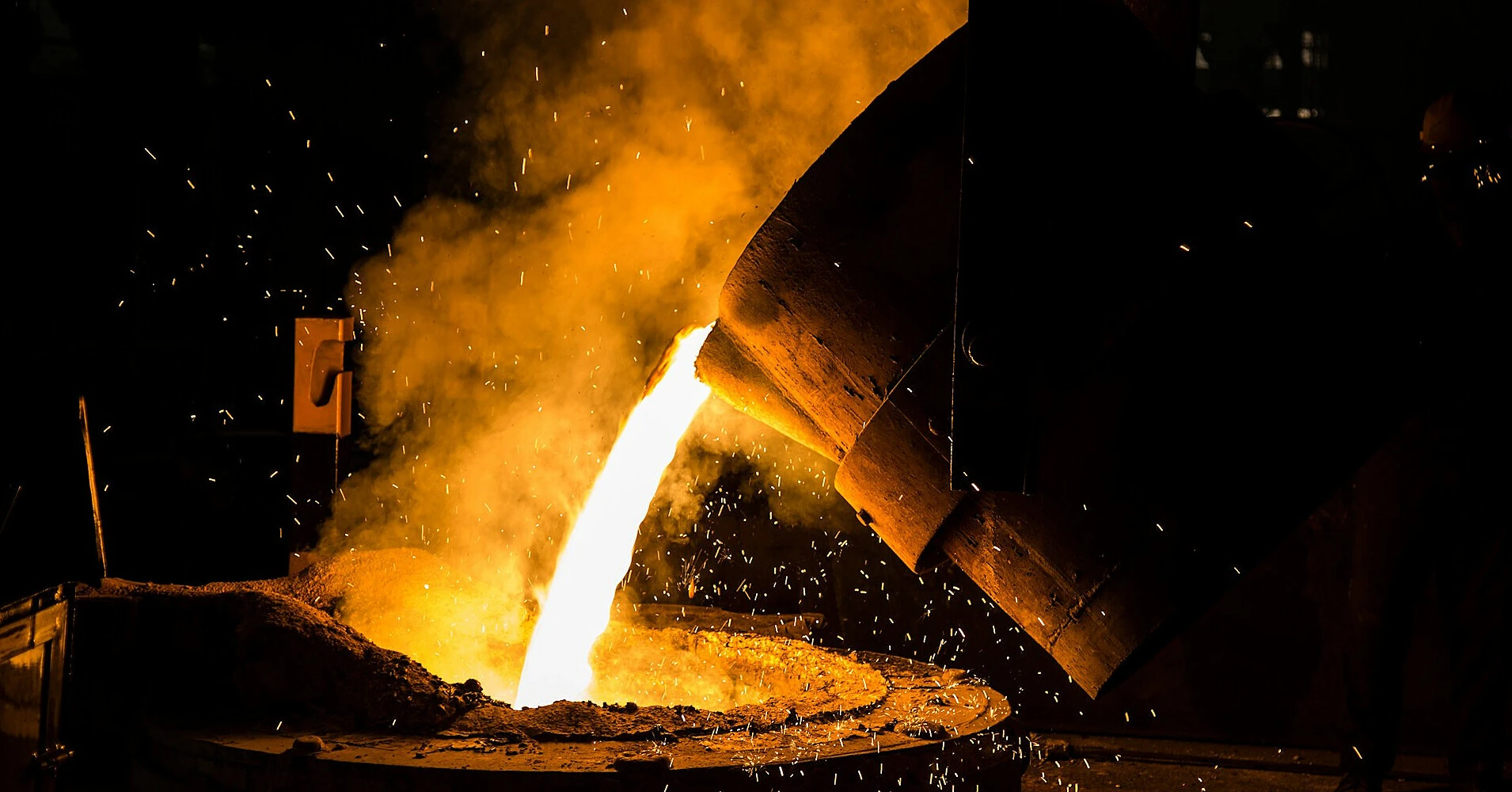
A series of Russian ballistic strikes has put out of operation the three largest metallurgical enterprises of Ukraine, which together accounted for about 90% of steel production in the country. The industry, which before the full-scale war was one of the key sources of exports and provided up to 7% of GDP, has effectively lost its main operating capacities.
The Financial Times writes about this, analyzing a new wave of Russian attacks on Ukrainian industry and logistics.
It concerns "Zaporizhstal", "Kametstal" and "ArcelorMittal Kryvyi Rih". According to the publication, all three enterprises are idle or have suspended their main production after the latest strikes. Russian ballistic missiles deliberately targeted, in particular, the blast furnace capacities of the plants.
"Zaporizhstal" remains halted after the largest attack on August 11. Then the missiles damaged the main and auxiliary technological equipment, infrastructure and the energy system of the plant. Eight workers died, and 28 more were wounded.
The enterprise never managed to restore production. On the morning of September 17, Russia delivered a new ballistic strike on the plant - already the fourth in just over a month. Two missiles hit the industrial sites of the workshops, significantly damaging technological equipment, buildings, engineering and railway networks.
According to "Metinvest", since the beginning of August a total of 17 ballistic missiles have been fired at "Zaporizhstal". After the latest attack, one employee was hospitalized.
"Kametstal" in Kamianske also suffered serious damage. The strike in early September damaged the sintering and blast furnace production, energy and transport infrastructure. After the Russian strikes, primary production was also halted at "ArcelorMittal Kryvyi Rih".
"Metinvest" cannot yet assess how long it will take to fully restore the enterprises. The head of the CEO office of the group, Oleksandr Vodoviz, told the FT that repairs, depending on the scale of destruction, could take from weeks to a considerably longer period.
The shutdown of enterprises creates risks not only for steel exports. The three plants employ a total of more than 15,000 people, and the reduction in production means losses for related enterprises, railways, energy and the state budget.
Metallurgy has come under pressure from several directions at once. In addition to the physical destruction of plants, the industry suffers from problems with maritime logistics, high electricity costs and trade restrictions in the main export market - the EU.
Operational director of "Metinvest" Oleksandr Myronenko earlier assessed the current contribution of metallurgy to the Ukrainian GDP as close to zero. Before the full-scale invasion, the industry provided up to 7% of the country's economy.
Among the group's mining assets, the Central and Northern GZK are now loaded at approximately half capacity, and some other facilities are idle. At the same time, the reduction in domestic metal output forces Ukraine to increase its imports, which further worsens the foreign trade balance.
The strikes on metallurgy are part of a broader wave of attacks on Ukrainian business. In recent months, Russia has also intensified strikes on warehouses, distribution centers, railways, gas stations and other logistics infrastructure.
According to an estimate by Ruslan Shostak, the founder of EVA and Varus, cited by the FT, of approximately 5 million square meters of modern warehouse space in Ukraine, 2.1 million square meters have already been destroyed, and of these about 900,000 square meters only recently.
The Ukrainian government estimates potential losses of tax revenues due to the new wave of Russian attacks at about $1.5 billion. This creates additional pressure on the budget at a time when the country is already looking for funds to cover a significant deficit.
Source: Financial Times, Zaporizhstal, Forbes Ukraine
