
Ukrainian weapons producers criticized the defense procurement reform under Fedorov
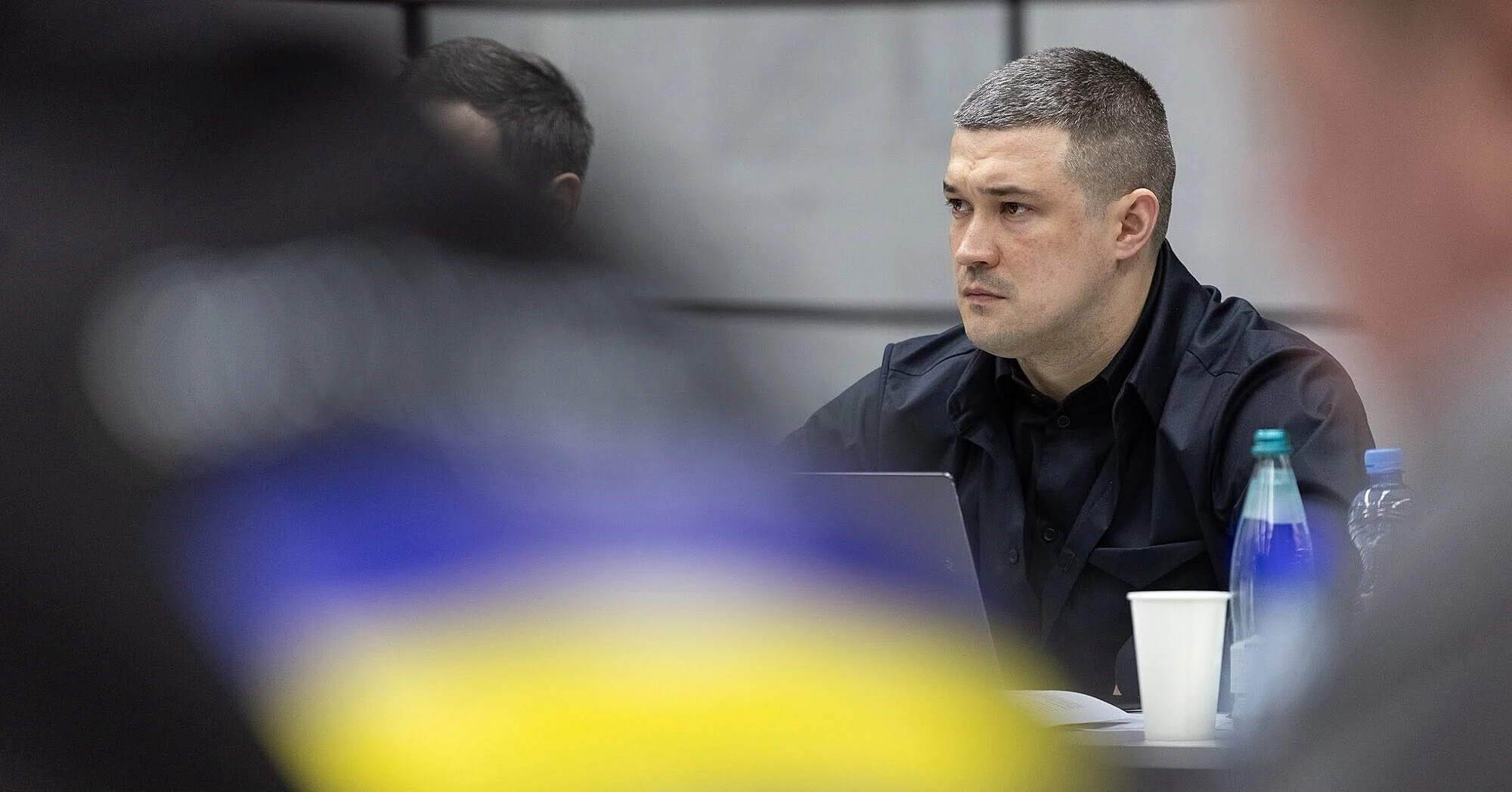
Some Ukrainian weapons manufacturers faced problems due to the restructuring of defense procurement, which the team of former Defense Minister Mykhailo Fedorov began in 2026. The main complaints include the closed nature of product requirements formation and the late launch of tenders, which made completing part of the contracts by the end of the year practically impossible.
Ukrainian Armor Council Executive Director Ihor Fedirko stated this in a material by "Ukrainska Pravda". According to him, after Fedorov's appointment, the Ministry of Defense sharply reduced interaction with industry associations.
Fedirko claims that the ministry effectively monopolized the formation of needs, tactical and technical characteristics, and financing of new developments. In his opinion, for a significant part of the market, the decision-making mechanism became opaque.
He called the deadlines for transitioning to competitive tenders the most serious practical problem. According to Fedirko, full-fledged tender work began only closer to September, although the production cycle in the defense industry can take about six months.
In particular, about three months may be needed for ordering and delivery of components, and about three more for assembling the finished products. Under such a schedule, the requirement to supply weapons by the end of the budget year becomes practically impossible for some manufacturers, believes the head of the Armor Council.
At the same time, the reform itself was aimed at increasing competition among suppliers and moving away from the practice of procurement from predetermined companies. During Fedorov's tenure, the Ministry of Defense began to use competitive procedures more widely and digital data on the effectiveness of weapons on the battlefield.
After his resignation, Fedorov called the launch of tenders one of the key results of his work. According to him, the ministry managed to conduct the first competitive procurement of long-range artillery and hundreds of thousands of drones, which was supposed to lower procurement prices and save the state significant funds.
The Ministry of Defense also officially explained the reform as a necessity to reduce corruption risks, expand competition, and make procurement more transparent. The Defense Procurement Agency was to act as a professional buyer, while the ministry determined policy and priorities for arming the military.
At the same time, the transition to the new model gave rise to a conflict between different participants in the system. Fedorov insisted that the previous mechanism depended too heavily on the needs declared by the General Staff and specific technical characteristics that could limit competition. Representatives of part of the defense-industrial complex, for their part, stated that the new team of the Ministry of Defense took too long to form new requirements and effectively put manufacturers in a situation where no time was left to fulfill orders.
Thus, the dispute concerned not only the transition to tenders itself, but also who should form the military's needs, determine weapon characteristics, and at what stage manufacturers should be involved in this process.
Based on materials: Ukrainska Pravda, Ministry of Defense of Ukraine, Mykhailo Fedorov's interview
