
Russia launches commercial oil exports from Arctic megaproject
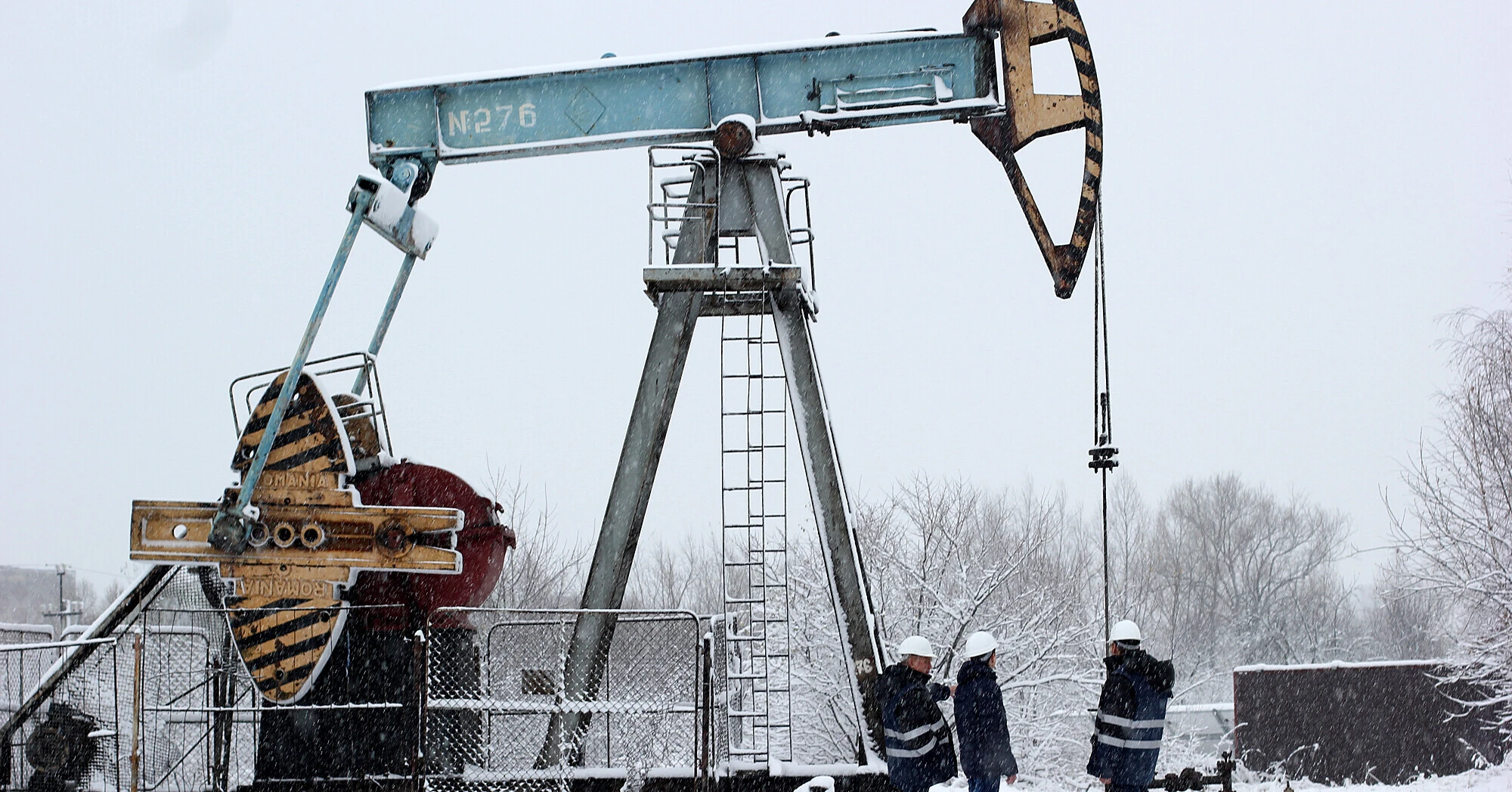
After several years of delays, Russia has started commercial oil exports from the Vostok Oil Arctic project – one of the country's largest new oil projects since the collapse of the USSR. In September, Rosneft is loading at least four specialized ice-class tankers at the new terminal "Bukhta Sever" on the Taymyr Peninsula.
According to Reuters, at the initial stage shipment volumes will amount to about 150 thousand barrels per day, or 500-700 thousand tons per month. The bulk of this oil will come from operating fields of the Vankor cluster.
After the official launch of the project in early September, oil at "Bukhta Sever" has already been loaded onto the tankers Akademik Gubkin and Valentin Pikul. Two more Aframax-class vessels – Vladimir Monomakh and Vladimir Vinogradov – were preparing to receive cargo, according to LSEG ship tracking data.
In the second half of 2027, Rosneft expects to increase exports from Vostok Oil to 600 thousand barrels per day, or 30 million tons per year, after the launch of the Payakha group of fields. By 2030, the company plans to reach about 1 million barrels per day.
Reuters notes that initial ambitions were much higher: the cluster's potential was estimated at about 2 million barrels per day – about 2% of world oil supply. The project itself unites more than 13 fields on the Taymyr and in Eastern Siberia with a resource base of about 51 billion barrels.
The first batch of oil from Vostok Oil was loaded as early as September 5 onto the tanker Valentin Pikul. Bloomberg reported at the time that the project is to become one of the main sources of support for Russian oil production in the coming decades, as reserves of traditional fields in Western Siberia are gradually being depleted.
According to Bloomberg's calculations, the 50 million tons of supplies planned for 2030 correspond to about 1 million barrels per day – about 10% of Russia's current oil production. In the future, Rosneft claims the possibility of increasing supplies to 100 million tons per year under favorable market conditions.
The current timelines, however, demonstrate how far the project has fallen behind its original schedule. Back in 2021, the Russian side planned to ensure transshipment of up to 30 million tons of oil per year through "Bukhta Sever" already in 2024, 50 million tons in 2027, and 100 million tons in 2030. Now the official plan provides for only 30 million tons in the second half of 2027, and 50 million tons by 2030.
For the project, a 790 km main oil pipeline "Vankor – Payakha – Bukhta Sever" was built with a design capacity of up to 100 million tons per year. The current port infrastructure includes an oil berth, two cargo berths, and 14 tanks with a capacity of 30 thousand tons each. According to Rosneft's own statement, total investment in the project has already reached 4 trillion rubles.
The launch of Vostok Oil was repeatedly postponed due to sanctions, financing problems, and the exit of foreign partners after Russia's full-scale invasion of Ukraine. Bloomberg noted that international traders Trafigura, Vitol and Mercantile & Maritime, which held stakes in the project, sold them in 2022.
At the same time, the project's geographical location became important for the Russian export strategy. The "Bukhta Sever" terminal allows sending oil directly to Asia via the Northern Sea Route. According to Reuters, this route is usually accessible for navigation from July to October and allows reducing the distance to Asian markets compared to the route through the Suez Canal, although the need for ice-class tankers and icebreaker escort increases transport costs.
Based on materials from: Reuters, The Moscow Times, Bloomberg
