
Google to fund capacity increase at two U.S. nuclear power plants
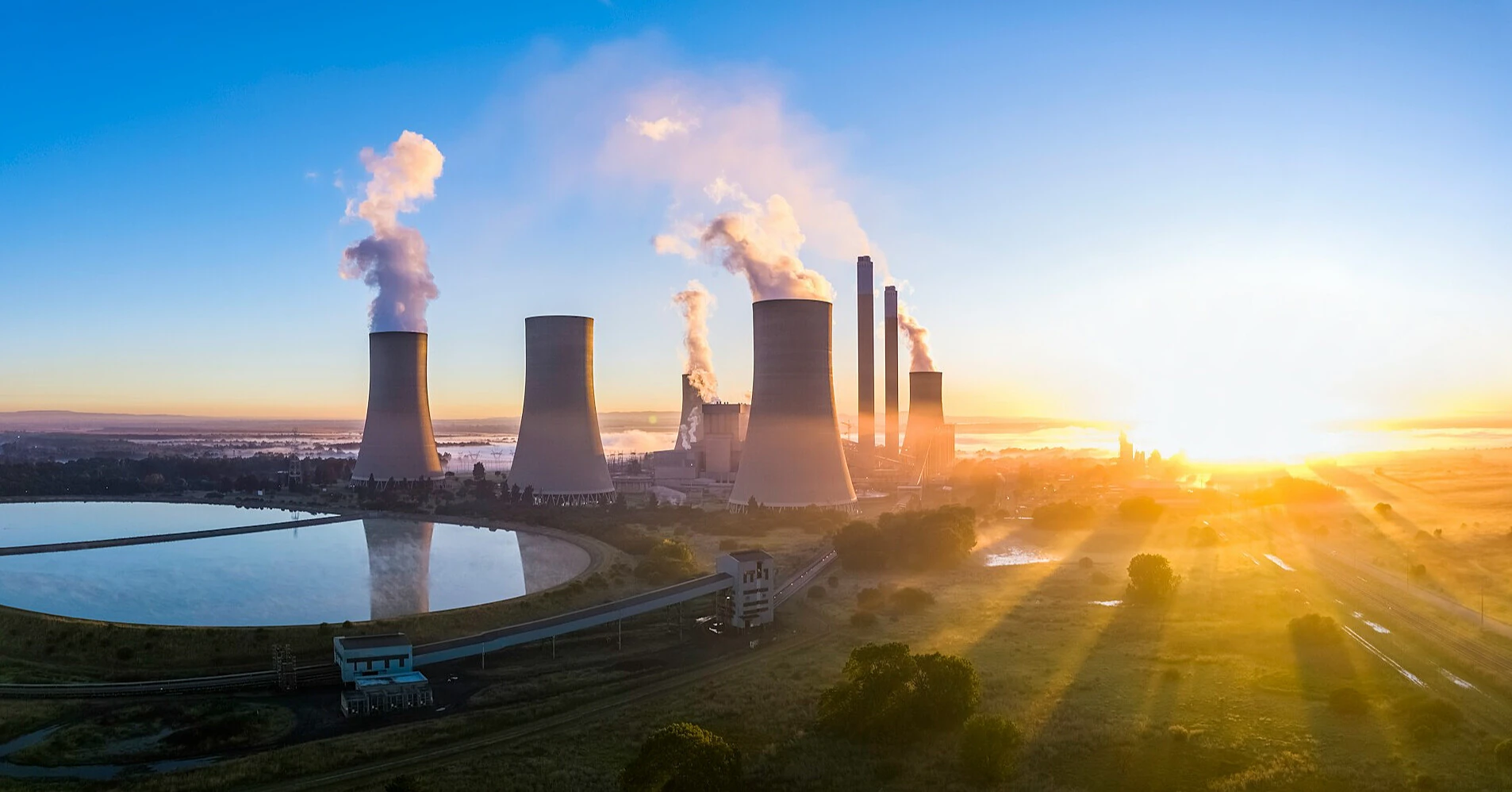
Google has agreed with American energy company Georgia Power on financial support for modernization of two nuclear power plants in the state of Georgia. After upgrades, Vogtle and Hatch NPPs will be able to add approximately 96 MW of new capacity to the grid.
The agreement covers units 1 and 2 at both plants and still needs approval from the Georgia Public Service Commission. The modernization involves increasing the capacity of existing reactors without building new units.
This is a so-called extended power uprate - a comprehensive upgrade of turbines, pumps, motors, cooling systems and other equipment that allows increasing the thermal and electrical power of a reactor using the existing plant infrastructure.
Under the terms of the deal, Google will join the new Nuclear Uprate tariff and pay for part of the additional nuclear generation. In return, the company will receive Zero-Emission Credits certificates confirming the carbon-free origin of the electricity produced. Georgia Power estimates the potential economic benefit for its customers over the life of the units at approximately $900 million.
The capacity increase of Vogtle NPP units 1 and 2 has already been approved by the regulator as part of Georgia Power's 2025 investment plan. Now the company separately seeks permission for a similar capacity increase for the two Hatch NPP reactors.
Vogtle NPP is the largest nuclear power plant in the United States. Its four units have a total capacity of about 4.66 GW. The two Hatch reactors generate approximately 1.85 GW. Together, the nuclear plants provide about 29% of the electricity used in Georgia.
For Google, the agreement is part of a broader strategy to supply data centers with stable, carbon-free electricity. Company representative Lucia Tian said that growth in digital infrastructure can simultaneously stimulate the expansion of existing nuclear capacity.
Electricity demand in Georgia is growing rapidly, largely due to construction of large data centers. The state regulator has previously noted that data centers and industrial projects have become the main reasons for sharp revisions of electricity consumption forecasts.
Meanwhile, Google is increasingly active in the nuclear sector. The company is already working with Westinghouse on using artificial intelligence to accelerate the design, construction and operation of new nuclear units in the U.S.
Based on materials from: Georgia Power / Southern Company, POWER Magazine
