
Zelenskyy supported Latvia in dispute over sanctions: EU ambassadors convene for new meeting
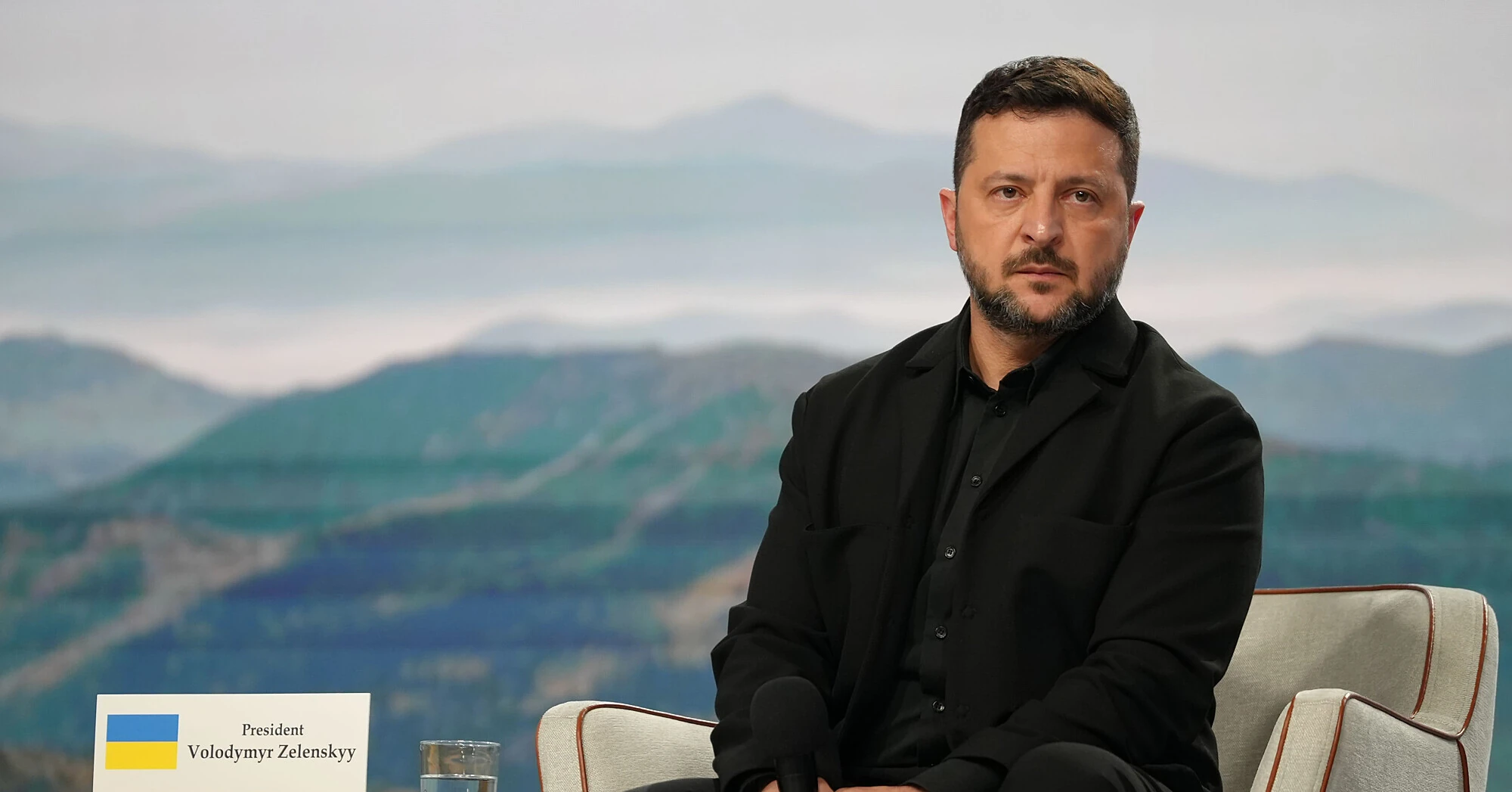
President Volodymyr Zelenskyy opposed the exclusion of Russian businessmen from the EU personal sanctions lists and thanked Latvia for its position. The statement came amid a new attempt by EU ambassadors to agree on the extension of sanctions against Russia, which expire on September 22.
Zelenskyy separately thanked Latvian President Edgars Rinkēvičs, Prime Minister Andris Kulbergs, and other partners in the EU for maintaining, in his words, "the legal front of countering the aggressive war against Ukraine".
The President stressed that in light of new Russian strikes on Ukraine, sanctions pressure should not weaken but intensify.
"The world needs not political removal from sanctions lists, but timely and unconditional extension of personal sanctions - until Moscow joins serious peace negotiations and takes concrete steps to end its war against Ukraine", - stated Zelenskyy.
He also noted that individuals who facilitate the Russian war or benefit from it should remain on the sanctions lists.
The President's statement came after Latvia publicly confirmed that it did not support the compromise proposed by EU Presidency Ireland regarding the extension of personal sanctions against Russia.
The proposal provides for extension of the sanctions regime immediately for 36 months, but in exchange for excluding Russian oligarchs Alisher Usmanov and Mikhail Fridman from the list. A unanimous support of all 27 EU countries is required for a decision. Latvia said it was not ready to agree to the exclusion of the two businessmen as the price for a three-year extension of sanctions.
Latvian Prime Minister Andris Kulbergs also stated that the idea of extending the regime immediately for three years is correct, but Riga does not support the removal of Usmanov and Fridman from the list in the current form. Latvian authorities plan to continue consultations with Brussels and Paris.
Meanwhile, the EU Committee of Permanent Representatives (Coreper) scheduled another meeting at 17:00 Kyiv time on September 22 dedicated to the extension of sanctions. In parallel, the written procedure on the Irish compromise is extended until 18:00 Kyiv time.
According to one diplomat who spoke to "European Pravda", they will try to reach a decision on the extension of the sanctions regime during the day, but the question of its duration remains open.
If the compromise on 36 months and the exclusion of the two oligarchs does not receive unanimous support, diplomats consider the option of another temporary extension of the current sanctions list - in particular, for a week or a month. This would give EU countries extra time to find an agreement without the immediate exclusion of Usmanov and Fridman.
The current dispute has been ongoing for over a week. On September 14, the European Union managed to extend personal sanctions only by seven days due to disagreements between member states. Slovakia insists on the exclusion of Usmanov and Fridman, while France supports the lifting of sanctions on Usmanov, citing its own national interests.
On September 21, EU ambassadors preliminarily agreed on a compromise with a three-year extension of the regime, but during the subsequent written procedure, a decision could not be reached. Afterwards, Latvia confirmed that it was the one that disagreed with the option of excluding the two Russian oligarchs.
The EU personal sanctions regime was introduced in connection with actions undermining or threatening the territorial integrity, sovereignty and independence of Ukraine. The list includes, in particular, Vladimir Putin, representatives of the Russian leadership, businessmen and other individuals and legal entities. The current sanctions expire on September 22.
Based on materials: Volodymyr Zelenskyy, "European Pravda", statement by Andris Kulbergs
