
China starts building unique power station with a "thermal battery"
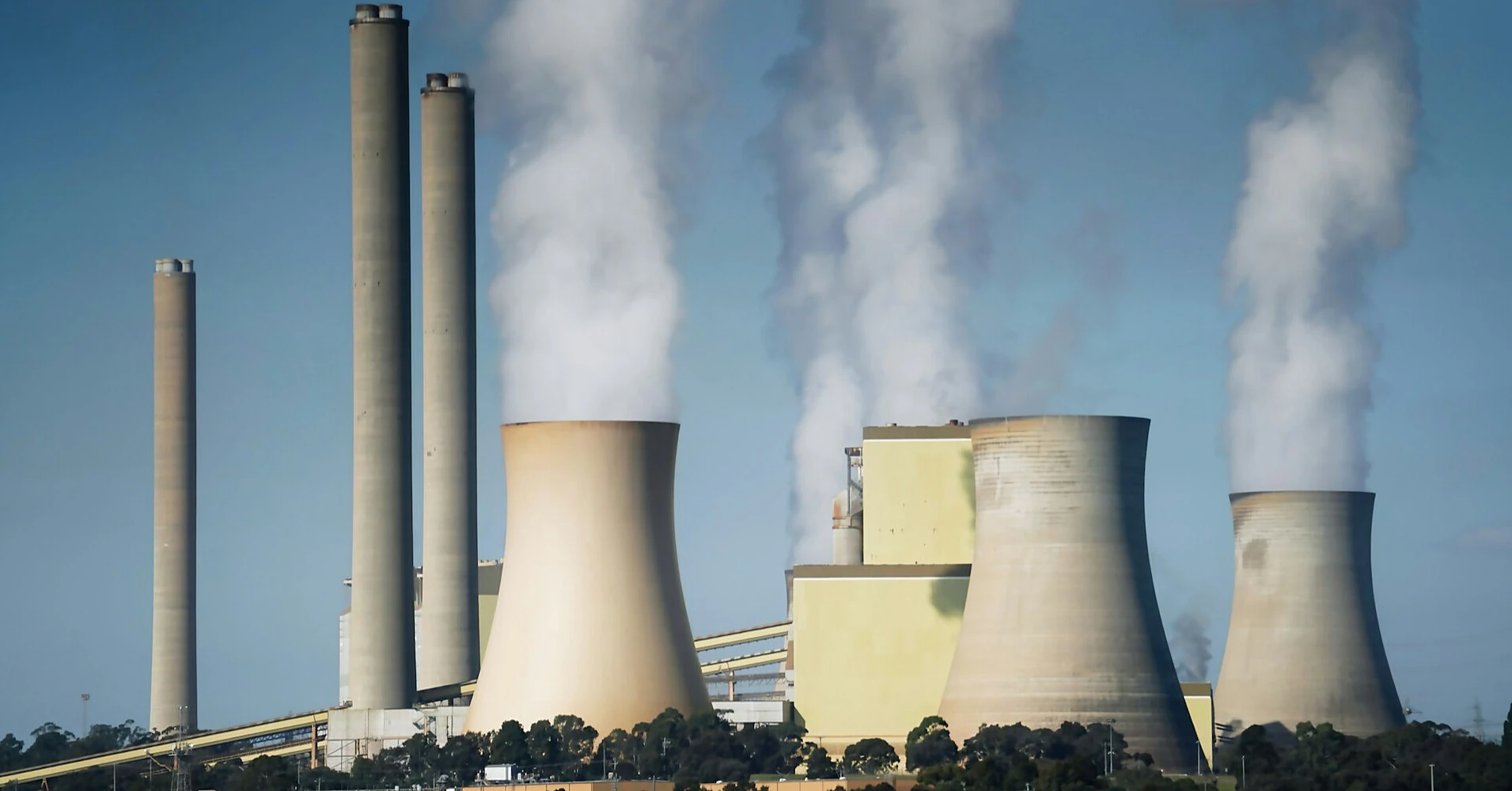
The Chinese state energy company Huaneng has started building the Ruitan demonstration power station, which will combine generation with supercritical carbon dioxide and energy storage in molten salt. The project in Shandong province is claimed as the first commercial facility of its kind in the world.
Construction started on September 16 at the site of the Huaneng Bajiao power station in the city of Yantai. The complex will receive a 50-MW supercritical CO2 power unit and a thermal energy storage system with a capacity of 100 MW and 400 MWh. It is planned to be launched in 2027.
The technology differs from traditional thermal power plants, where the turbine is driven by water steam. In Ruitan, the working medium will be carbon dioxide in a supercritical state – at high temperature and pressure it acquires the properties of both gas and liquid.
The main feature of the project is the combination of this technology with a large thermal storage. During periods of low demand, excess electricity from the two existing Bajiao power units will be used to heat molten salt. The obtained heat can be stored and used later.
During peak load hours, the hot salt will transfer heat to carbon dioxide, which will drive the turbine and generate electricity. Thus, the installation will work as a kind of large "thermal battery", allowing part of electricity production to be shifted from periods of low demand to peak consumption hours.
The working temperature of CO2 in the system is expected to reach about 550°C. According to the developers, supercritical CO2 has a higher energy density than water steam, so turbines and other equipment can be more compact.
Huaneng also states that the new installation will be able to smoothly change the load from 0% to 100%, and the speed of such adjustment will be about four times higher than that of traditional coal power units. This should make the station more suitable for balancing the power system with a growing share of solar and wind generation.
The project is a significant scaling up of the technology that Huaneng has been testing for several years. In 2021 the company commissioned an experimental 5 MW supercritical CO2 installation. The new station will be ten times more powerful.
Ruitan is also part of China's state program for the development of so-called CO2 "thermal batteries". Beijing considers similar systems as one of the ways to make traditional power plants more flexible and to increase the power system's ability to absorb unstable generation from renewable sources.
The very launch of Ruitan construction on September 16 and its parameters – 50 MW generation and 100 MW / 400 MWh storage – are also described by the South China Morning Post.
Sources: South China Morning Post, SASAC / China Huaneng, Harbin Electric
