Energy crisis forced a major producer to shut down three plants in Britain
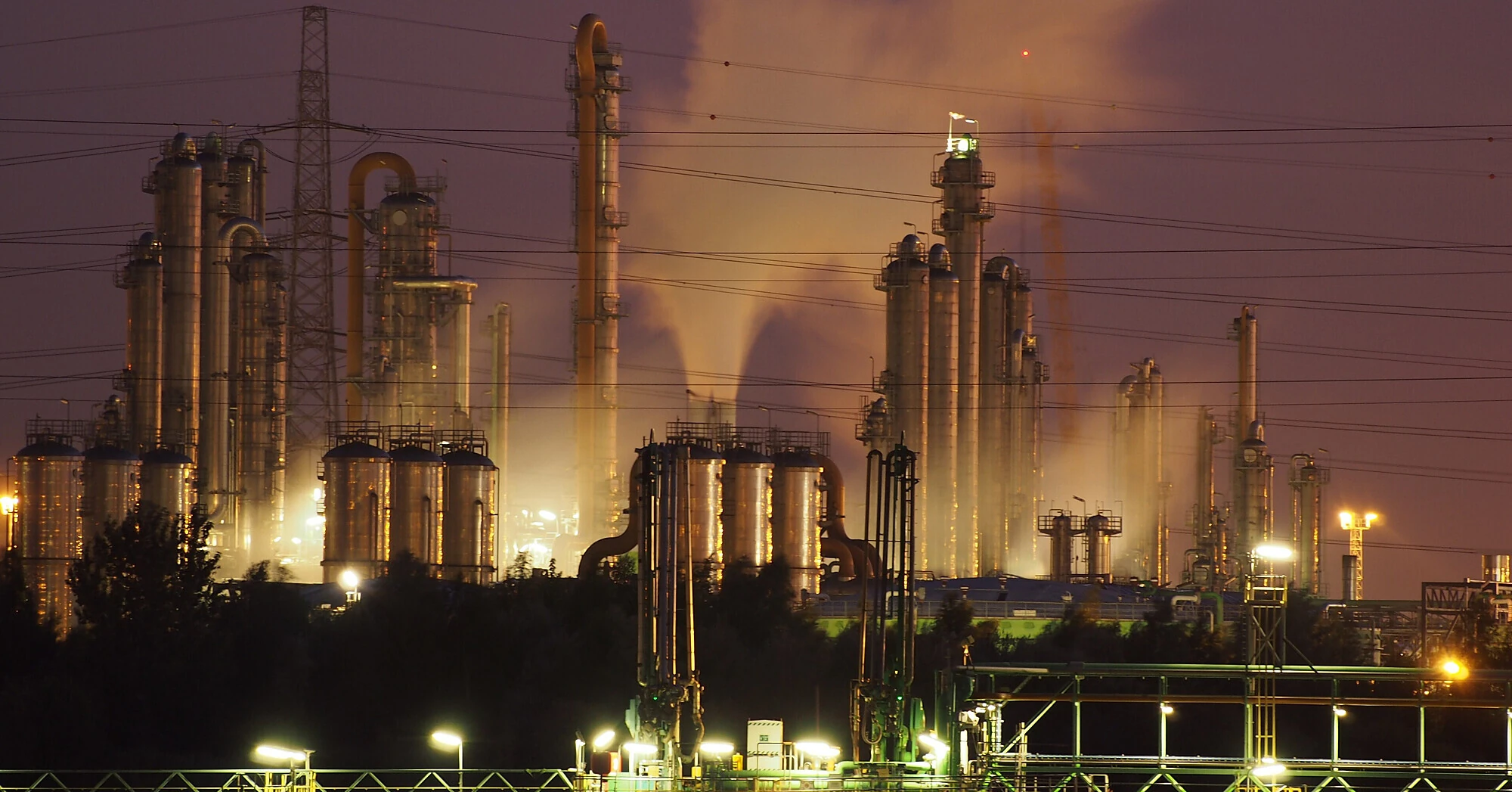
British chemical group Ineos is mothballing three production units in Hull, East England, due to a sharp rise in gas costs. The facilities will remain shut for an indefinite period.
This concerns the Ineos Acetyls productions at the Saltend chemical park, which produce acetic acid, acetic anhydride, and ethyl acetate. According to the company itself, the Hull site is Europe's largest producer of these three chemical products.
Gas is used at the facilities as a raw material and indirectly as an energy source for production processes. Ineos states that current prices have made output in the United Kingdom uncompetitive compared to the United States and China.
According to an estimate by Ineos Chairman Jim Ratcliffe, gas in Britain currently costs about 12 times more than in the US. Producing acetyls using gas in the UK, the company claims, costs about eight times more than coal-based production in China.
About 245 people are directly employed at the three plants. Ineos estimates the number of jobs the site supports in the wider Humberside region's supply chain at almost 4,000.
The chemicals produced in Hull are used in a wide range of industries. Acetic acid is needed for pharmaceutical products, textiles, paints, packaging, and food preservatives; acetic anhydride for medicines and plastics, among others; and ethyl acetate for paints, adhesives, printing inks, and pharmaceuticals.
The mothballing decision is a continuation of problems at Ineos' British site. Back in 2025, the company announced the elimination of 60 jobs in Hull, citing high energy costs and competition from cheaper imports from China and the US. Prior to that, Ineos invested £30 million in modernising the production, which, according to the company, reduced CO2 emissions by around 75%.
Ineos is calling on the British government to reduce the burden associated with energy prices and to increase protection of local producers from cheap imports. The company warns that without a change in conditions, the European chemical industry will continue to lose production capacity.
Sources: Bloomberg, Financial Times, Ineos