
Saudi Arabia Launches Key Oil Pipeline Bypassing Hormuz
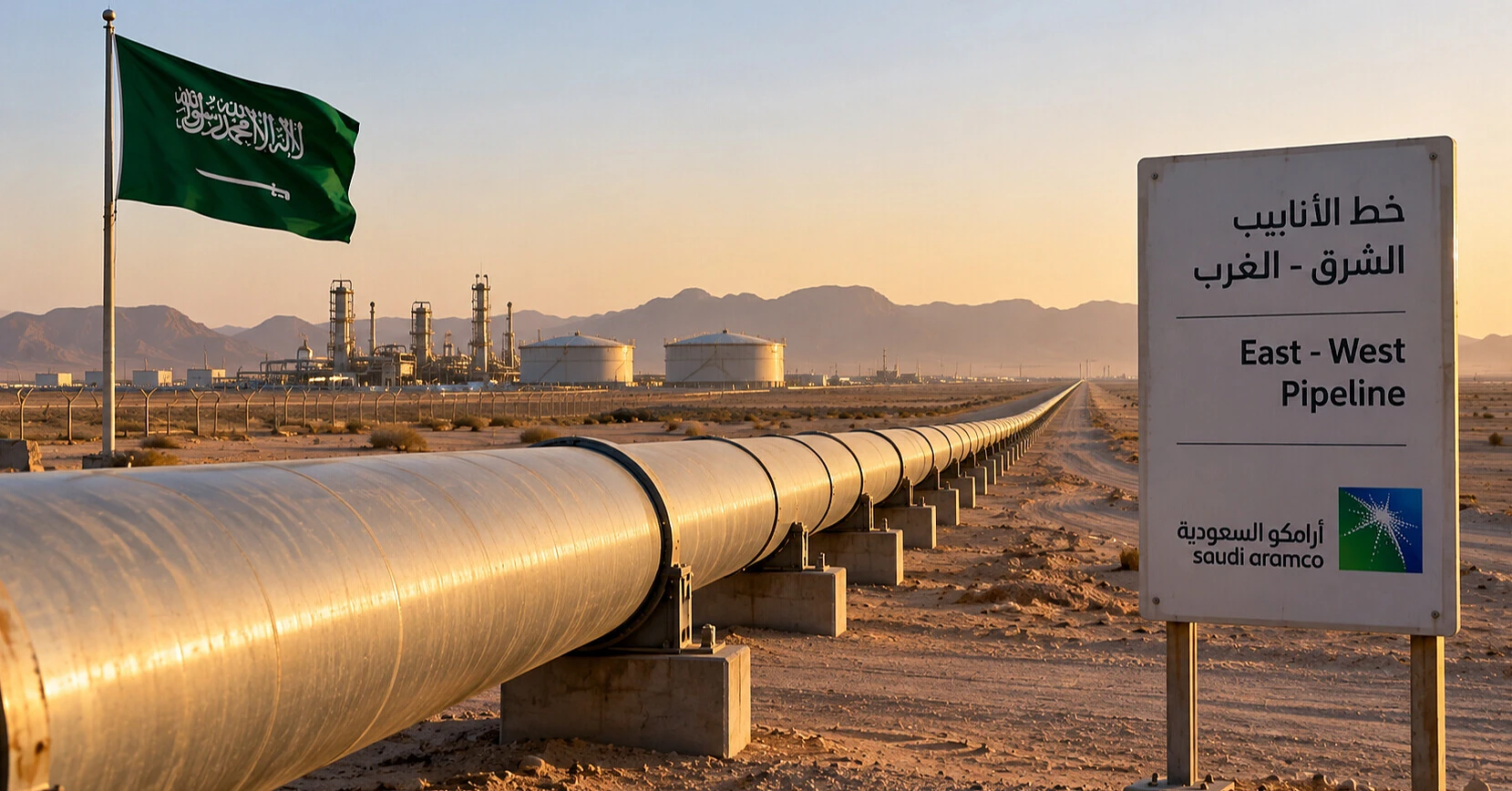
Saudi Arabia has resumed operation of the strategic East-West oil pipeline, which allows oil exports via the Red Sea bypassing the Strait of Hormuz. Shipments from the port of Yanbu may resume as early as Tuesday, September 22.
Reuters reported this citing three sources familiar with the situation. According to two agency interlocutors, at the first stage oil is being pumped through the pipeline at a low rate. What volume has been restored and when the system can reach a higher load is not yet known.
State-owned Saudi Aramco at the time of Reuters publication did not officially comment on the resumption of the pipeline's operation.
East-West was halted after drone attacks in the first half of September that damaged its infrastructure. Because of this, Saudi Arabia stopped loading crude oil at Yanbu — the country's main oil port on the Red Sea coast.
Kurs previously wrote that the pipeline stoppage became a serious blow to the alternative route for Saudi exports amid limited shipping through Hormuz. In the following days, supply disruptions became one of the factors behind the rise in global oil prices.
East-West stretches roughly 1,200 kilometers from oil-producing areas in the east of Saudi Arabia to Yanbu on the Red Sea. Its maximum throughput capacity reaches 7 million barrels per day. In the first quarter of 2026, Saudi Aramco reported that the pipeline had been brought to this capacity due to shipping disruptions through the Strait of Hormuz.
The route is of particular importance during the current Middle East crisis: oil arriving at Yanbu can be loaded onto tankers without passing through Hormuz. According to the U.S. Energy Information Administration, Saudi Arabia and the UAE have the main operational pipeline routes in the region that allow bypassing the strait.
After the halt of East-West, Riyadh had to more actively use more complex alternative export schemes via the Persian Gulf. The pipeline's return may gradually increase the available volumes of Saudi oil on the world market and reduce the kingdom's dependence on shipping through Hormuz.
However, for now it is not about a full restoration of previous supplies. Reuters sources emphasize that the pipeline is operating at limited capacity, and the actual resumption of exports from Yanbu is expected later than September 22.
News of the restoration of the Saudi route coincided with reports of possible de-escalation around the Strait of Hormuz. Against this backdrop, oil sharply fell on Tuesday: Brent dropped below $98 per barrel after trading above $102 earlier in the day. The market was simultaneously influenced by reports of the East-West launch and signals about the possibility of restoring shipping through Hormuz.
Based on materials from: Reuters, Saudi Aramco, U.S. Energy Information Administration
