
The Kraiи ЄС recorded weapons on fighters returning from Ukraine - Euronews
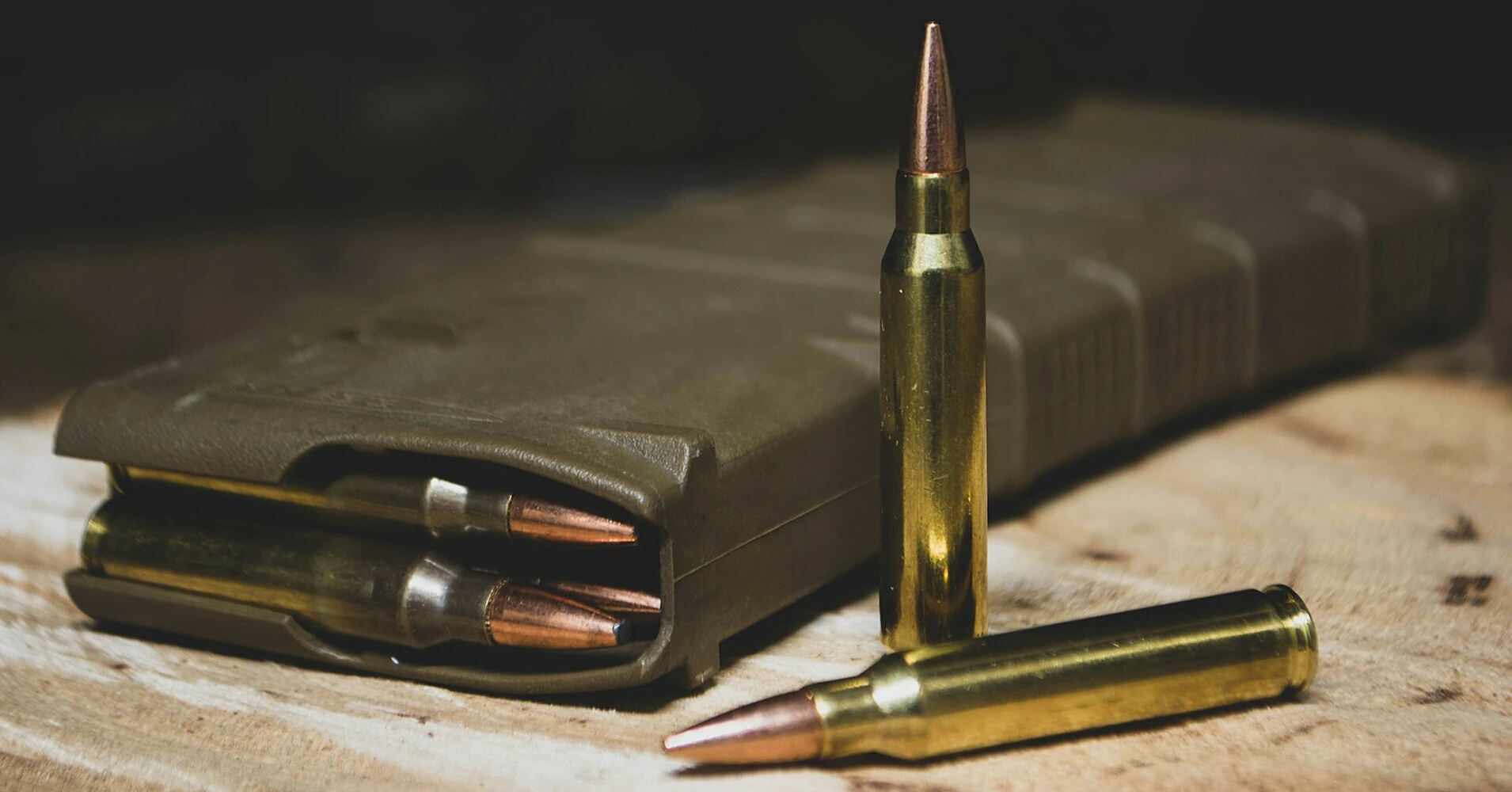
EU countries have reported cases of discovering weapon components and military equipment on people returning from the combat zone in Ukraine. In Brussels, this is considered as a potential risk of weapons from the front entering illegal circulation, but there is currently no data on a large-scale flow of Ukrainian weapons to the EU.
Such cases are reported by Euronews, citing a confidential EU Council document obtained by the publication.
According to Euronews, individual member states have already recorded weapon components and military equipment from people returning from the front. The document does not claim that such cases are linked to organized smuggling channels. It primarily concerns the risk that individual items or components from the battlefield may be transported to EU countries.
The issue concerns not only Ukrainian citizens. European structures also assess risks related to foreign volunteers, mercenaries, and Russian combatants who, after returning, may use military experience in criminal or terrorist activities.
Poland, Germany, and the Czech Republic pay the most attention to this problem, having accepted a significant number of Ukrainians and simultaneously being part of the Schengen area. Due to the absence of internal border controls, the entry of illegal weapons into one country creates risks for the entire EU.
At the same time, existing independent studies do not confirm the formation of a significant arms smuggling channel from Ukraine. A March study by the Global Initiative Against Transnational Organized Crime noted that there is no evidence of substantial inflow of Ukrainian weapons to Poland, the Czech Republic, or Slovakia.
Experts, however, call the problem a long-term structural risk. Due to the large number of weapons in circulation during the war, part of it may potentially end up on the black market after the end of hostilities. That is why European law enforcement agencies are trying to create control mechanisms before the war ends.
The European Commission gives a similar assessment. In the impact assessment of new legislation on illegal firearms trafficking, it is noted that the full-scale war has increased the number of weapons in Ukraine, some of which inevitably ends up outside official control. At the same time, the European Commission states that this has not yet led to systematic smuggling thanks to cooperation between Ukrainian and international law enforcement agencies.
In February, the European Commission proposed new pan-European rules to combat illegal arms trafficking. They provide for common definitions of crimes and minimum penalties, the establishment of national contact points, enhanced information exchange, and unified recording of seized weapons.
The European Commission also directly points out the need to track the origin of weapons, including weapons from former or current conflict zones. For illegal transport or production of firearms, it is proposed to set a maximum penalty of at least up to eight years of imprisonment.
Thus, the cases recorded by EU countries do not yet indicate a massive outflow of weapons from Ukraine, but Brussels is preparing for risks that could significantly increase after the end of active hostilities.
Sources: Euronews, Global Initiative Against Transnational Organized Crime, European Commission
