
Russian Retailers Shift Logistics Risks to Suppliers Amid Drone Attacks
Major Russian retail chains have started discussing changes to the goods delivery system with suppliers against the backdrop of growing threats to warehouse and logistics infrastructure.
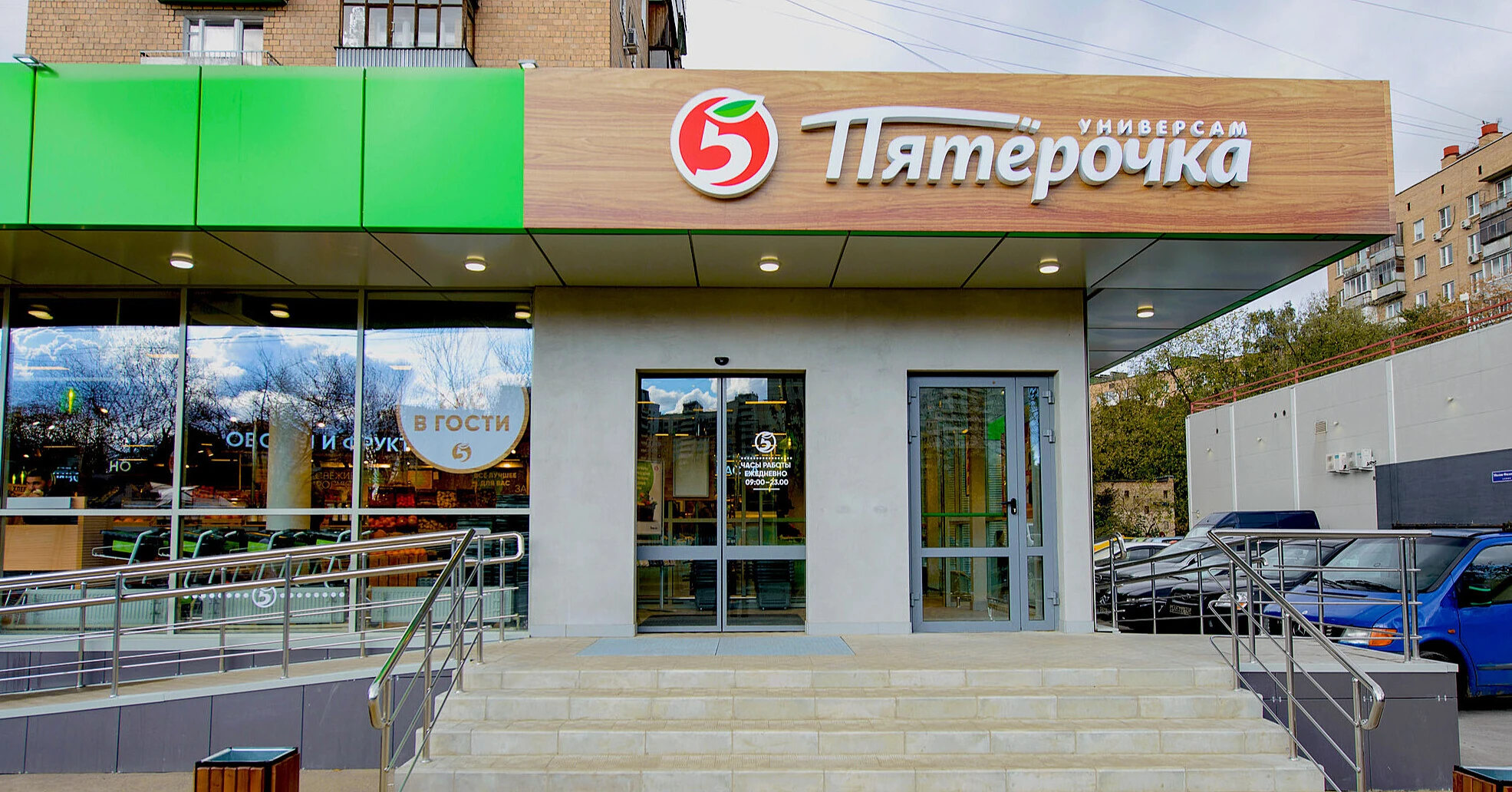
The "Magnit" chain has proposed that suppliers deliver products to stores and distribution centers themselves. Similar changes are also being discussed by X5, which owns the "Pyaterochka", "Perekrestok", and "Chizhik" chains, Russian media report.
Normally, large Russian retailers pick up products from distribution centers and deliver them to retail outlets themselves. Their own warehouses and vehicle fleets allow them to reduce logistics costs.
Now the chains want to transfer some of these responsibilities and associated risks to manufacturers. Magnit explained that they are considering various options to maintain supply stability and on-shelf product availability.
Suppliers May Be Held Liable for Destroyed Goods
The "Krasnoe & Beloe" chain has proposed even stricter terms. The company sent partners a draft supplementary agreement that releases the retailer from liability for goods destroyed as a result of force majeure circumstances. These include drone attacks.
Manufacturers objected to a complete shift of risks. The chain itself stated that the document is currently just a negotiation version, and the company is simultaneously exploring the possibility of insuring goods.
The discussion takes place against the backdrop of a series of strikes on Wildberries' logistics facilities. In less than two weeks, more than ten warehouses of the largest Russian marketplace came under attack. In early August, fires broke out at its facilities in Samara and Vladimir Oblasts.
Product Prices May Rise
Experts warn that self-delivery to stores will increase suppliers' costs. This could lead to higher selling prices for products.
At the same time, retail chains will find it difficult to fully pass on the price increases to consumers due to intense competition. As a result, the change in the logistics model could reduce the profitability of both manufacturers and retailers themselves.
A full transition to the new system will also be technically difficult. Home delivery is mainly available among producers of bread, dairy products, and other goods with short shelf lives. Most suppliers will have to create additional vehicle fleets or engage third-party carriers.
