Black Sea attacks complicate Russian coal exports, companies lack vessels
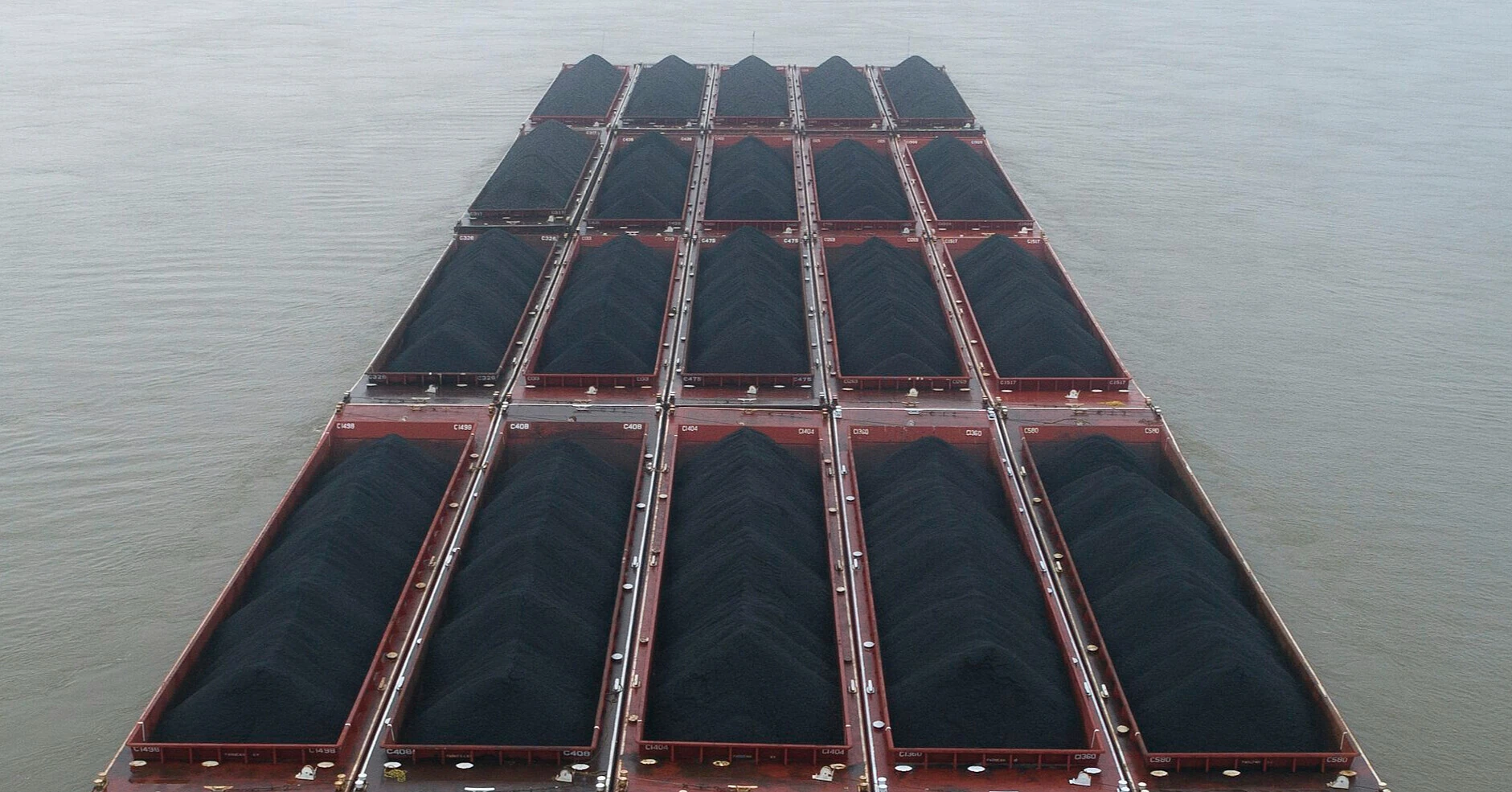
In late July, the number of vessels available for Russian coal exports in the Black Sea dropped sharply. Due to increased shipping risks and insurance issues, some bulk carriers left the region.
As of July 26, the number of available bulk carriers in the Black Sea decreased to 97 vessels. This is 21% fewer than a month earlier and 28% fewer compared to the same period last year, according to a review by the Price Index Center, Russian media write.
According to analysts, insurance companies are refusing to insure vessels entering the Azov-Black Sea basin. It is expected that medium and large bulk carriers may move to other waters. Some small-tonnage vessels that cannot operate on other routes have suspended voyages until the situation normalizes.
Market participants' fears intensified after the July 22 attack on a Turkish dry cargo ship carrying coal from the Russian port of Taman to Trabzon. Industry agency Sxcoal noted that the incident created additional uncertainty for Russian coal supplies to Mediterranean countries.
During the week, no new deals for coal supplies via the Black Sea were concluded. At the same time, most Russian exporters sold in advance batches scheduled for shipment through Black Sea and Baltic ports up to and including September. Because of this, a relative shortage of supply emerged on the spot market.
Problems with fleet availability were also observed in the Far East. Amid growing demand for Russian coal in South Korea, freight rates for large vessels increased by 5-10% over the week depending on the route.
Meanwhile, total seaborne exports of Russian coal did not decrease in July. According to Kpler data cited by Sxcoal, Russia exported 11.45 million tons of coal by sea - 7.9% more than in June and 11.2% more than in July last year.
Experts expect that the vessel shortage and rising freight costs will worsen the profitability of Russian exports and may cause local supply delays. The southern and western routes remain the most vulnerable, where insurance and transportation costs are reducing exporters' margins more quickly.