
Russia Assembled Tankers for Record Oil Export via the Arctic
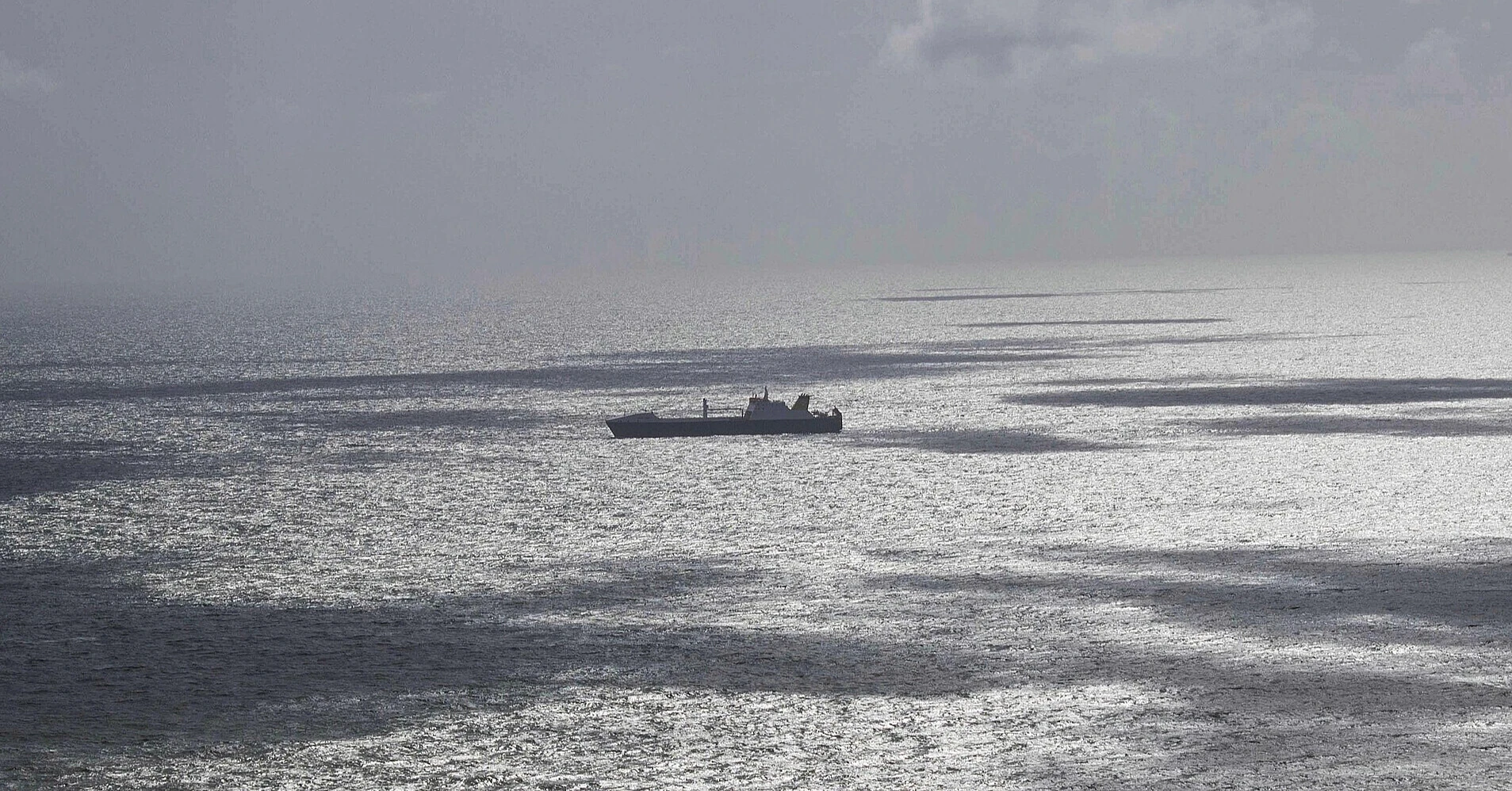
Russia has assembled about 15 tankers in the Arctic that have already begun or are preparing to transport around 8 million barrels of oil to Asia via the Northern Sea Route.
This volume accounts for roughly 60% of all oil delivered by the Arctic route during the summer-autumn navigation of 2025. Russia prepared such a large consignment of raw materials already at the start of the period most accessible for shipping.
According to the specialized publication gCaptain, on August 3 most of the tankers were in the Kara Sea between Novaya Zemlya and the Taymyr Peninsula. Presumably, the vessels were awaiting icebreaker escort or an improvement in ice conditions.
Three tankers were already moving along the Northern Sea Route, with one of them nearing the completion of the Arctic leg of the route. Two more vessels were heading north through the Norwegian and Barents Seas. Three nuclear-powered icebreakers were assigned to escort the tankers.
In 2025, about 13.1 million barrels of oil were transported via the Northern Sea Route. The current concentration of vessels indicates the growing role of the Arctic corridor in Russian energy exports to Asian countries.
Navigation along the Northern Sea Route typically lasts from late June to early November. Arctic ice reaches its minimum thickness at the end of September, when some tankers can travel the route independently. In more difficult areas, vessels require icebreaker escort.
The expansion of shipping is hampered by a shortage of ice-class tankers. Sanctions have restricted Russia's access to foreign shipyards, equipment and financing, and the construction of specialized vessels at the Russian Zvezda shipyard is experiencing delays.
The total volume of cargo on the Northern Sea Route in 2025 decreased by 2.3% to 37.02 million tons. Liquefied natural gas accounted for 58% of shipments, oil and petroleum products for 21%, and gas condensate for about 4%.
Based on materials from: The Moscow Times, gCaptain
