
Trump Accuses Oil Giants of Windfall Profits and Calls on Them to Lower Gas Prices
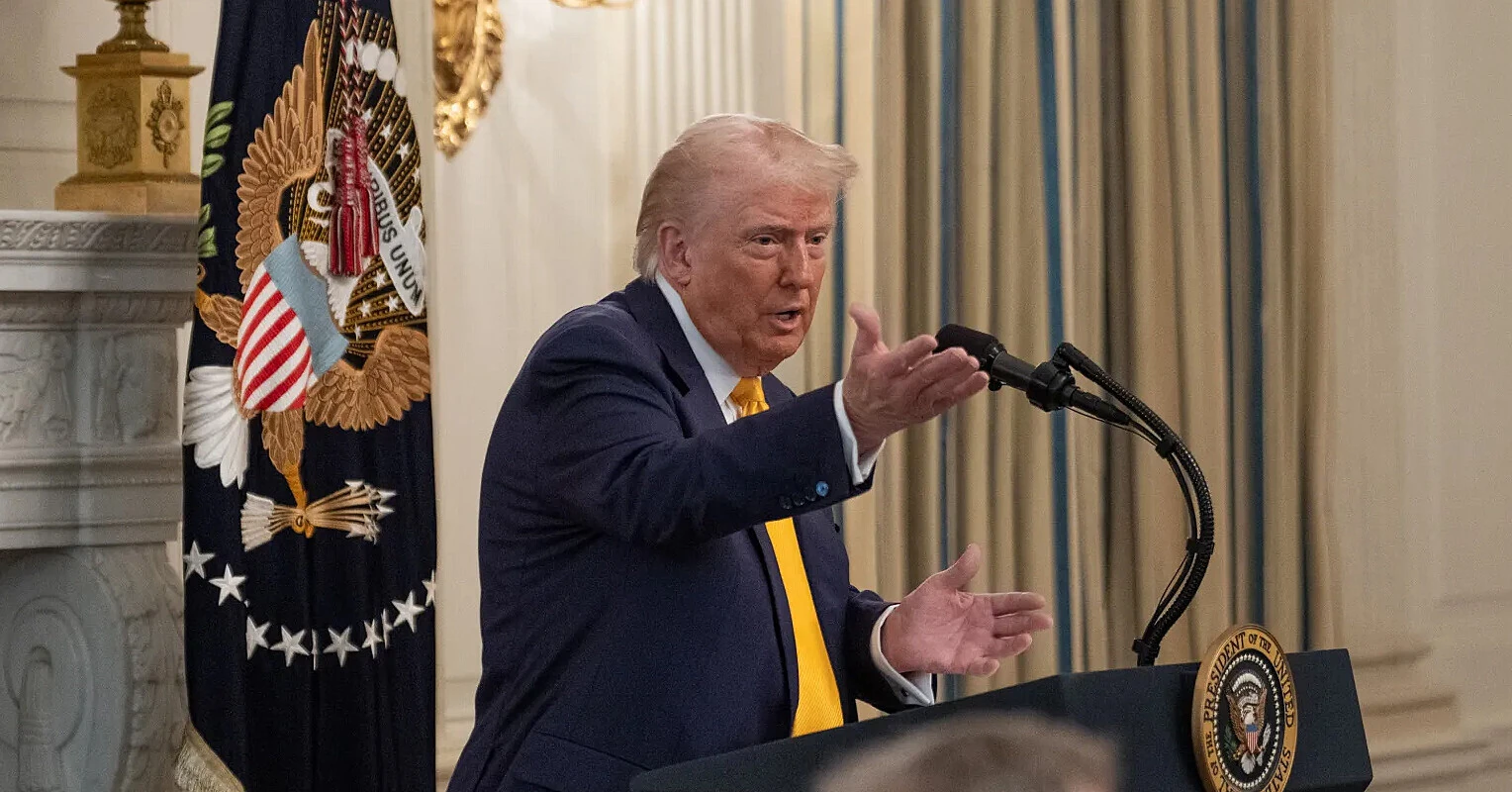
US President Donald Trump criticized oil corporations ExxonMobil and Chevron over a sharp increase in profits and called on them to lower retail gasoline prices.
While speaking to reporters at the White House on August 3, Trump stated that the largest American oil companies are "making too much money" and should return part of the profits to consumers.
"I don't like it. I am probably the last person who should say this, because I am a big supporter of free enterprise. But I will say it loud and clear: I am not happy with this", - stated the US president.
According to the results of the second quarter, ExxonMobil and Chevron together earned $29 billion, or about $318 million a day. This is more than three times the figure for the same period last year.
The main reason for the profit growth was high oil prices due to the crisis around the Strait of Hormuz and the war with Iran. At the same time, the companies significantly increased revenues from oil refineries producing gasoline, diesel, and jet fuel.
Chevron shares fell about 2% during trading on Monday, while ExxonMobil papers were down 0.6% amid a decline in oil prices.
Earlier, Trump also criticized Chevron CEO Mike Wirth for allegedly not sufficiently highlighting the role of the US administration's policy in increasing oil production. Wirth stated that the company's results were tied to record US output and high refinery utilization rates.
The average price of regular gasoline in the US exceeded $4 a gallon, which is about 30% higher than when Trump took office. The rise in fuel costs has intensified criticism of the president's economic policy ahead of the midterm congressional elections in November.
In June, Trump tasked the Department of Justice with investigating why retail gasoline prices were not declining in line with changes in the oil market. Oil companies and industry representatives deny accusations of price gouging, asserting that individual corporations do not control a large enough market share to independently influence fuel prices.
Materials used: Bloomberg
