
Russia is rapidly deploying its own Starlink analogue - Intelligence
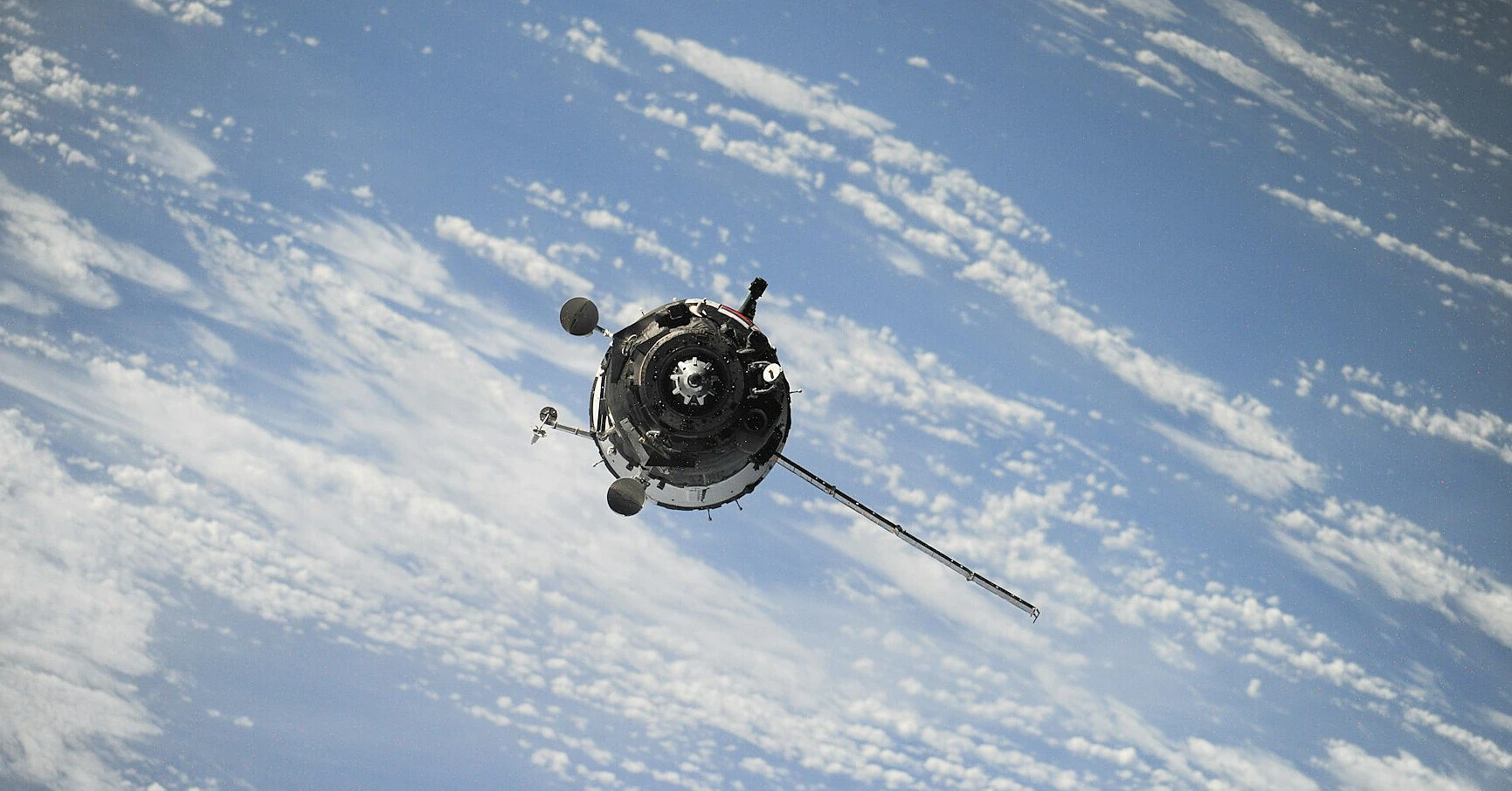
Russia has quickened the deployment of its low-Earth orbit satellite system "Rassvet", which Moscow is building as its own analogue of Starlink. This was shared by Deputy Chief of the Main Intelligence Directorate of the Ministry of Defense of Ukraine Vadym Skibitsky.
According to him, the system's launch is proceeding significantly faster than initial Russian plans anticipated. In March 2026, the Russian Federation put the first group of 16 satellites into near-Earth orbit.
In 2027, Russia plans to increase the "Rassvet" constellation to 292 satellites, and by 2035 - to 924 devices.
Currently the system can only operate in a fragmentary manner - connectivity emerges when Russian satellites pass over the territory of Ukraine. Continuous coverage comparable to Starlink is not yet in place.
Skibitsky noted that after a full-scale orbital constellation is deployed, "Rassvet" will be able to work on the same principle as the SpaceX system. In Ukraine, possible ways to counter this technology are already being discussed.
The GUR representative spoke about the satellite project in the context of the development of Russian drone control means. According to him, the Russian Federation is also trying to implement Mesh networks for online drone control and is transitioning to the more active use of jet-powered drones "Geran-4" and "Geran-5".
Full-fledged satellite communication could potentially expand the capabilities of Russian reconnaissance, maritime, and heavy strike drones, allowing them to be controlled at considerable distances without a chain of ground-based repeaters.
At the same time, there are currently no confirmations of mass production of "Rassvet" user terminals or their installation on Russian combat drones.
It was reported earlier that the first Russian satellites are already creating individual communication windows over Ukraine, but the system does not yet ensure uninterrupted coverage.
Source: RBC-Ukraine
