
Supply disruptions in supermarkets after Russian attacks, retailers warn of rising food prices
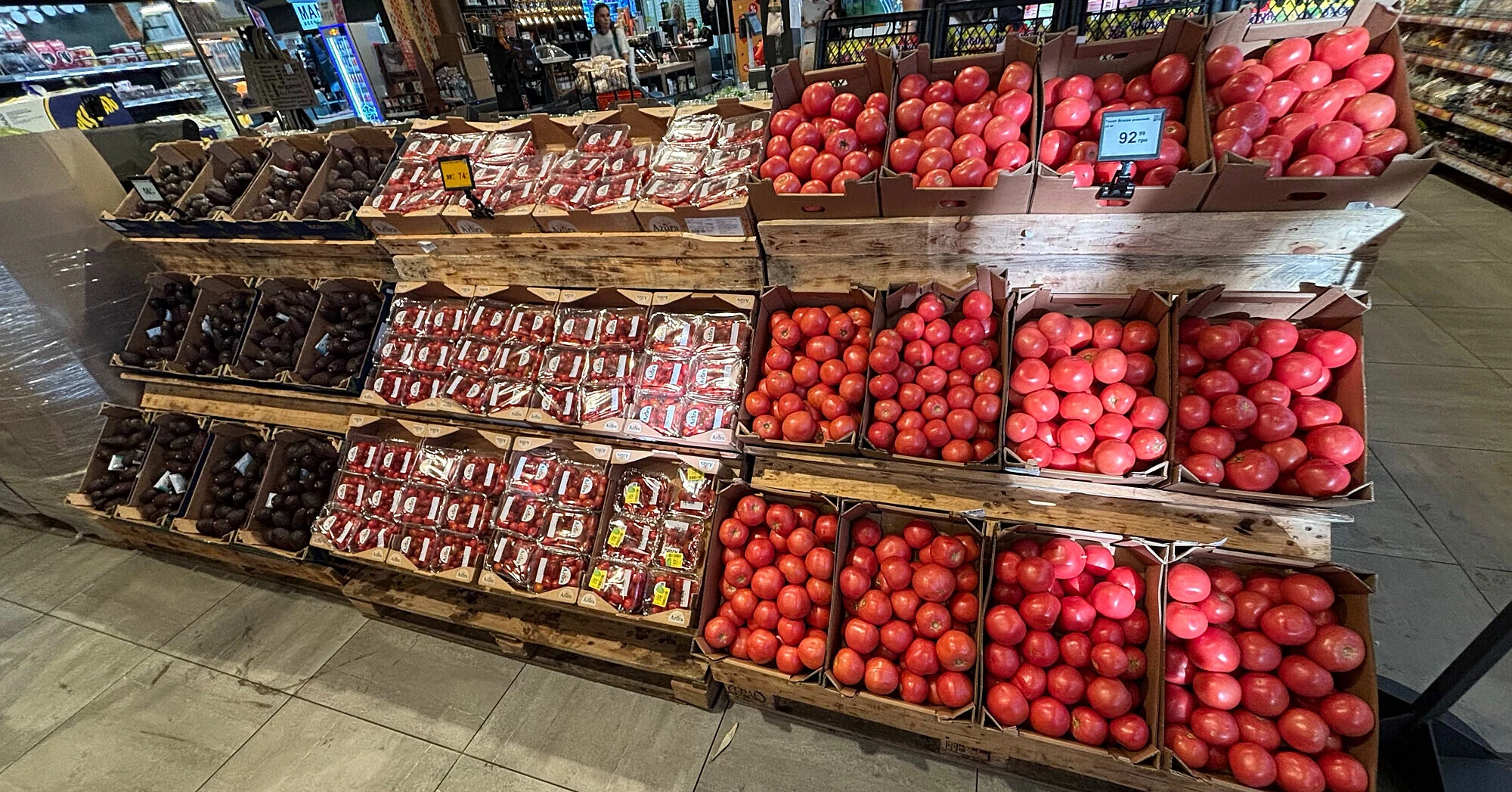
After Russian strikes on logistics infrastructure, the Silpo, Fora and Thrash chains have faced temporary disruptions in the supply of fresh and chilled products. Cold logistics in Kyiv and the region suffered the most, where an estimated 80-100 thousand sq. m of specialized warehouses were destroyed.
These are facilities where meat, dairy products, vegetables, fruits and other goods requiring constant temperature control were stored. The shortage of suitable capacity has already affected the stocking of shelves in some stores, but retailers continue to work and readjust supply routes, reports RBC-Ukraine.
What happened to logistics centers
On the night of August 5, a Russian attack damaged and destroyed a number of warehouse and production facilities. Among them were distribution centers of the Silpo and Fora chains, part of Fozzy Group.
Fora reported that employees who were on the territory of the warehouses were evacuated. The company lost a significant part of its inventory, equipment and machinery, but the stores continued to operate. Customers were warned that some products may be temporarily unavailable.
The most noticeable disruptions were for goods requiring storage at temperatures from 0 to +4C. These primarily include dairy products, chilled meat, greens, vegetables and fruits. This is reported by material authors Iryna Kostyuchenko and Mariia Matsepa.
Insufficient available cold storage warehouses
According to expert estimates, approximately 80-100 thousand sq. m of cold storage warehouses have been destroyed in Kyiv and the region. At the same time, only about 20-30 thousand sq. m of available space with the intended purpose remains in the region.
Thus, existing capacities can replace only 20-30% of what was lost. Moreover, these are mostly older warehouse premises that are inferior in quality and technical equipment to the destroyed modern complexes.
It will not be possible to compensate for the losses quickly. Building even a relatively small refrigeration terminal of 2-3 thousand sq. m can take from six months to a year. Delivering chilled products from facilities located 300-400 kilometers from Kyiv is also economically unviable.
How retailers are restructuring supply chains
One possible solution is a transition from large centralized distribution centers to a network of smaller refrigeration hubs. This model reduces the risk of losing a significant share of inventory in a single strike, but requires more employees, machinery and transport routes.
If a large automated warehouse can be serviced with 20-30 employees, a network of small facilities may require 60-70 people, as well as additional equipment for sorting and loading products.
According to expert calculations, decentralization could increase logistics costs for retail chains by about 10-15%. For cheap and heavy goods, where transportation occupies a significant share of the cost, this could potentially add up to 5-6% to the retail price.
At the same time, these figures are forecast estimates, not already confirmed price increases. The scale of price increases will depend on the duration of disruptions, speed of warehouse restoration, and retailers' ability to find alternative capacities.
Why direct delivery won't solve the problem
Retailers are also negotiating with manufacturers to deliver products directly to stores, bypassing distribution centers. This option allows for partially replenishing shelves but cannot fully replace centralized logistics.
Delivery to hundreds or even over a thousand individual stores could increase manufacturers' transport costs by two to three times. In the worst-case scenario, prolonged use of such a model could raise prices for certain goods by another 15-20%.
An additional problem is that stores do not have enough warehouse space to simultaneously receive and store large batches of products from various suppliers.
What is happening with goods on the shelves
Some fruits and vegetables for Kyiv stores are already being delivered from western regions of Ukraine and from Poland. Lengthening routes increases costs for fuel, transport, and maintaining the necessary temperature during transit.
Disruptions have affected not only food products. In some districts of Kyiv, a shortage of certain tobacco products has emerged, which may be connected to damage to finished goods warehouses of JTI and Imperial Brands Ukraine.
Logistical pressure is also intensifying due to the redirection of part of imports. With restrictions in Ukrainian ports, cargo is being routed through Romania's Constanta and land routes from Poland, Hungary, and Slovakia. This increases transportation distances, although competition between suppliers is expected to prevent sharp price spikes for now.
In July 2026, annual inflation in Ukraine stood at 7.7%. Transport services rose in price by 5.2% in a month, and by 28.9% compared to July of the previous year. Fuel and lubricants increased in price by 28% over the year.
How long will recovery take
Full restoration of destroyed logistics capacity could take at least several months. During this period, retail chains will use alternative warehouses, small refrigeration hubs and direct deliveries from manufacturers.
Experts believe that the state could accelerate recovery by exempting drivers and construction workers involved in rebuilding logistics facilities from mobilization, as well as introducing more affordable war-risk insurance.
Commercial rates for such insurance can reach 8-10% of a building's value per year, making some new projects economically unviable. A state program with a rate of around 3-4% could incentivize the construction of a decentralized network of warehouses.
