
Yen's fall creates new risk for US government debt
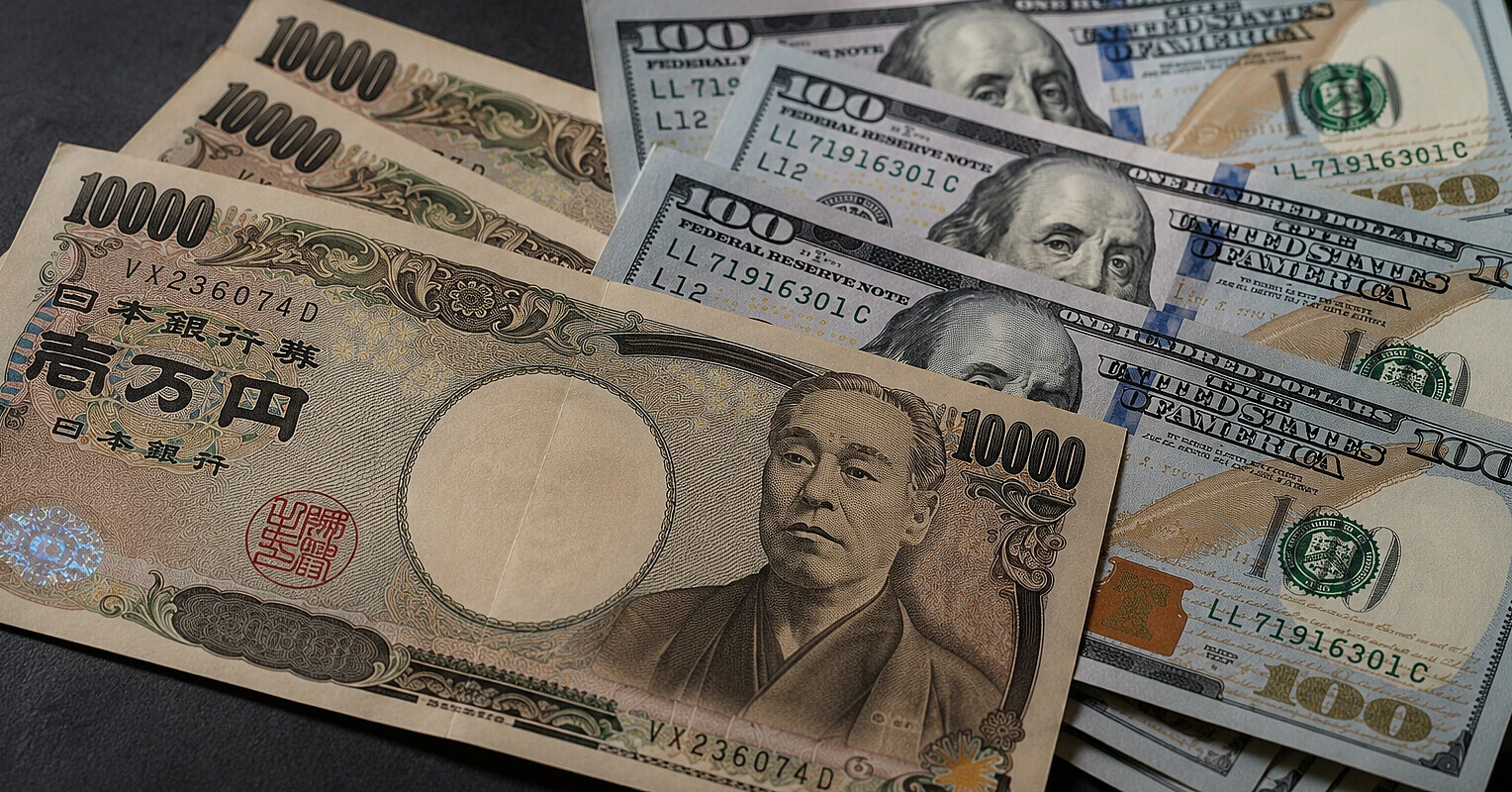
The Japanese yen has once again approached 160 against the dollar, and the market is awaiting new intervention by Japanese authorities. But this story is important not only for Tokyo: it directly affects the huge US government debt.
Japan is one of the largest holders of US government bonds. If Tokyo needs many dollars to support the yen, one option is to sell some of these securities.
Why this is a problem for the US
When a large investor sells US government bonds, their price can drop and yields can rise. For Washington, that means more expensive new borrowing.
The issue is particularly sensitive now: US government debt is enormous, and high interest rates have already noticeably increased the budget costs of servicing it. In 2026, net interest costs for the federal budget are estimated at around $1 trillion.
Therefore, the US is not interested in Japan or other large foreign investors starting to sell US bonds en masse.
Washington tries to avoid a sell-off
Japan has another way to obtain dollars. Through a special Fed mechanism, it can temporarily pledge its US bonds as collateral and receive currency without selling the securities on the market.
This allows it to support the yen without additional pressure on the US government debt market.
Thus, the fall of the yen highlights a broader issue: it is becoming increasingly expensive for the US to service its own debt, so stable demand for US government bonds is becoming ever more important.
Sources: Financial Times, US Treasury, Congressional Budget Office
