
Ukraine seeks alternative agro-export routes via Poland and Moldova
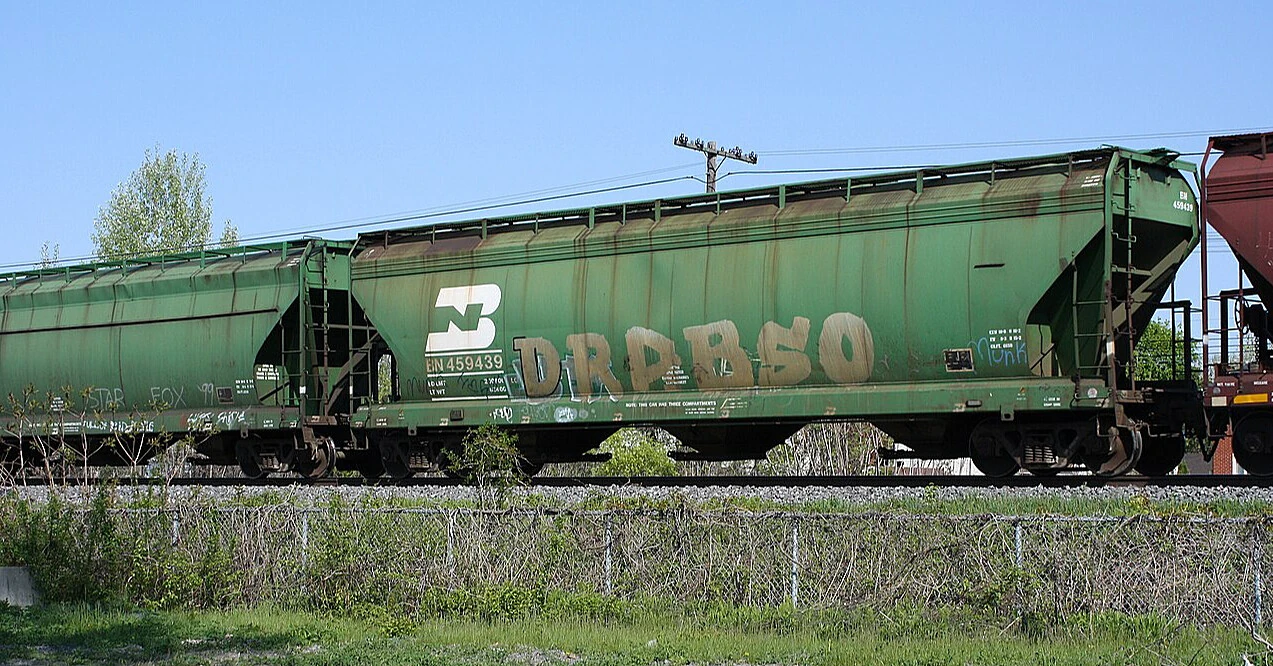
Ukraine is discussing the expansion of alternative routes for agricultural exports through Poland and Moldova. The need for new pathways arose due to systematic Russian attacks on Ukrainian port and logistics infrastructure.
With the Polish side, Ukraine is considering the use of rail and road crossings, as well as seaports on the Baltic Sea. The possibility of transporting grain by rail via Moldova is also being explored separately.
Products via Poland will be directed to third countries
Opportunities for expanding transit were discussed by Minister of Agrarian Policy and Food Taras Vysotskyy and representatives of the Polish Embassy in Ukraine.
The Ukrainian side emphasizes that agricultural products should transit through Poland and will not be destined for sale on the European Union market. Cargoes are planned to be directed to third countries, including Algeria, Indonesia, and South Korea.
According to Vysotskyy, such a route will ensure additional utilization of Polish ports. Ukraine wants to explain transportation conditions to Polish farmers in advance, taking into account border blockades and protests against Ukrainian grain in 2023–2024.
Among possible directions are the ports of Gdańsk, Gdynia, Szczecin, and Świnoujście. Before launching the routes, it is necessary to calculate the cost of transportation and determine whether they will be economically viable for Ukrainian exporters.
The parties must also assess the capacity of the railway, road crossings, and customs points, as well as the capabilities of border, veterinary, and phytosanitary services.
Grain may be transported via Moldova
According to Reuters, Ukraine is considering transporting grain by rail through Moldova as a safer alternative to maritime exports, and has asked Chișinău to establish a preferential freight tariff. There are currently no final agreements on launching the route.
Ukraine may lack storage for the harvest
In parallel, the government is working on restoring the humanitarian maritime corridor and using European "solidarity lanes." Preserving exports is necessary for farmers to obtain working capital for autumn fieldwork and the next sowing campaign.
Transportation complications also threaten a shortage of storage facilities. According to the Ministry of Agrarian Policy, in November the shortage of harvest storage capacity may range from 7.5–8 million to 11 million tons. The government is expanding credit programs for producers and negotiating with partners on compensating interest on such loans.
Based on materials: Cabinet of Ministers of Ukraine, LIGA.net, Reuters
