
Russian "shadow fleet" tankers are being draped with nets for protection from Ukrainian drones
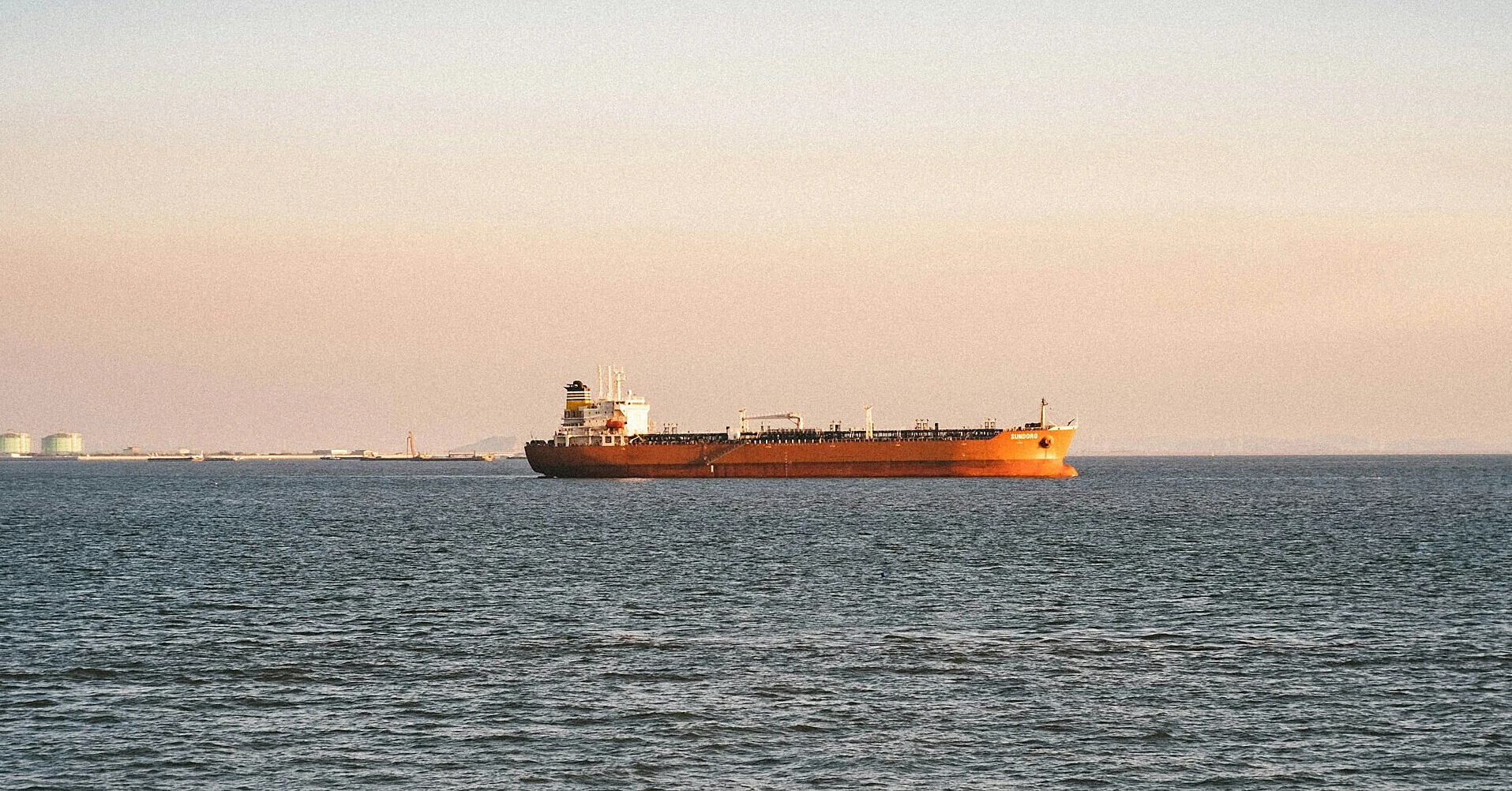
Oil tankers of the Russian "shadow fleet" have begun to be covered with anti-drone nets and metal structures. Improvised protection, previously used mainly on the land front, has now appeared on ships in the Black Sea.
One of the first such tankers was the 28-year-old Caruzo, which this week left the Black Sea through the Bosporus. Footage shot by shipping analyst Yoruk Isik shows a net around the superstructure and bridge, metal cages over individual areas of the vessel, and water tanks along the sides.
Caruzo is under sanctions by the European Union, the United Kingdom and a number of other states. According to the TankerTrackers service, the vessel was carrying about 1 million barrels of Russian oil when it passed near Istanbul.
Isik compared the tanker's appearance to transport from the films "Mad Max". Another sanctioned vessel, Rizvel, was also spotted in the Sea of Marmara with anti-drone nets.
What the nets are meant to protect against
Nets around the bridge are primarily intended to counter airborne drones. They can prevent a drone from directly hitting the superstructure or force it to explode at a certain distance from the hull.
Metal structures and water tanks near the stern, according to maritime analysts, are meant to protect the engine room from seaborne drones. The tanks are supposed to partially absorb the blast energy, but the real effectiveness of such homemade protection is unconfirmed.
Similar nets and cages are widely used on armored vehicles and cars in the combat zone. However, until recently they were rarely used to protect large civilian vessels.
Russian ships are changing routes
Protective structures have become just one way for Russian shipping to adapt. Some tankers have started to move closer to the Turkish coast, avoiding the open part of the Black Sea. Other vessels occasionally turn off their Automatic Identification System (AIS), although such cases could also be linked to attempts to hide sanction violations.
Russian authorities and shipowners have discussed placing armed military personnel, machine guns, additional armor and electronic warfare equipment on commercial vessels. Organisation of convoys with patrol ships is also being considered.
Such measures may create new legal and insurance problems. The presence of military personnel and heavy weapons on civilian ships further blurs the line between commercial shipping and military logistics.
Shipping costs are rising
Over the past two months Ukraine has intensified attacks on Russian ships, ports and energy infrastructure in the Black and Azov Seas. One of the goals of the campaign is to reduce Russia's oil revenues and disrupt the logistics that support the war.
Amid the attacks, the cost of sea transportation in the region has risen sharply. Some shipowners refuse to take on new orders, and insurance for Black Sea voyages has become more expensive or less accessible.
Russia is also fortifying the port of Novorossiysk. Satellite images show net structures, barricades, boom barriers and barges installed near the entrance to the military harbour. At the same time, these measures do not provide complete protection against combined attacks of aerial and sea drones and missiles.
Based on materials from: Financial Times, The Insider, Splash247
