
Turkey cuts Russian oil imports due to Black Sea disruptions
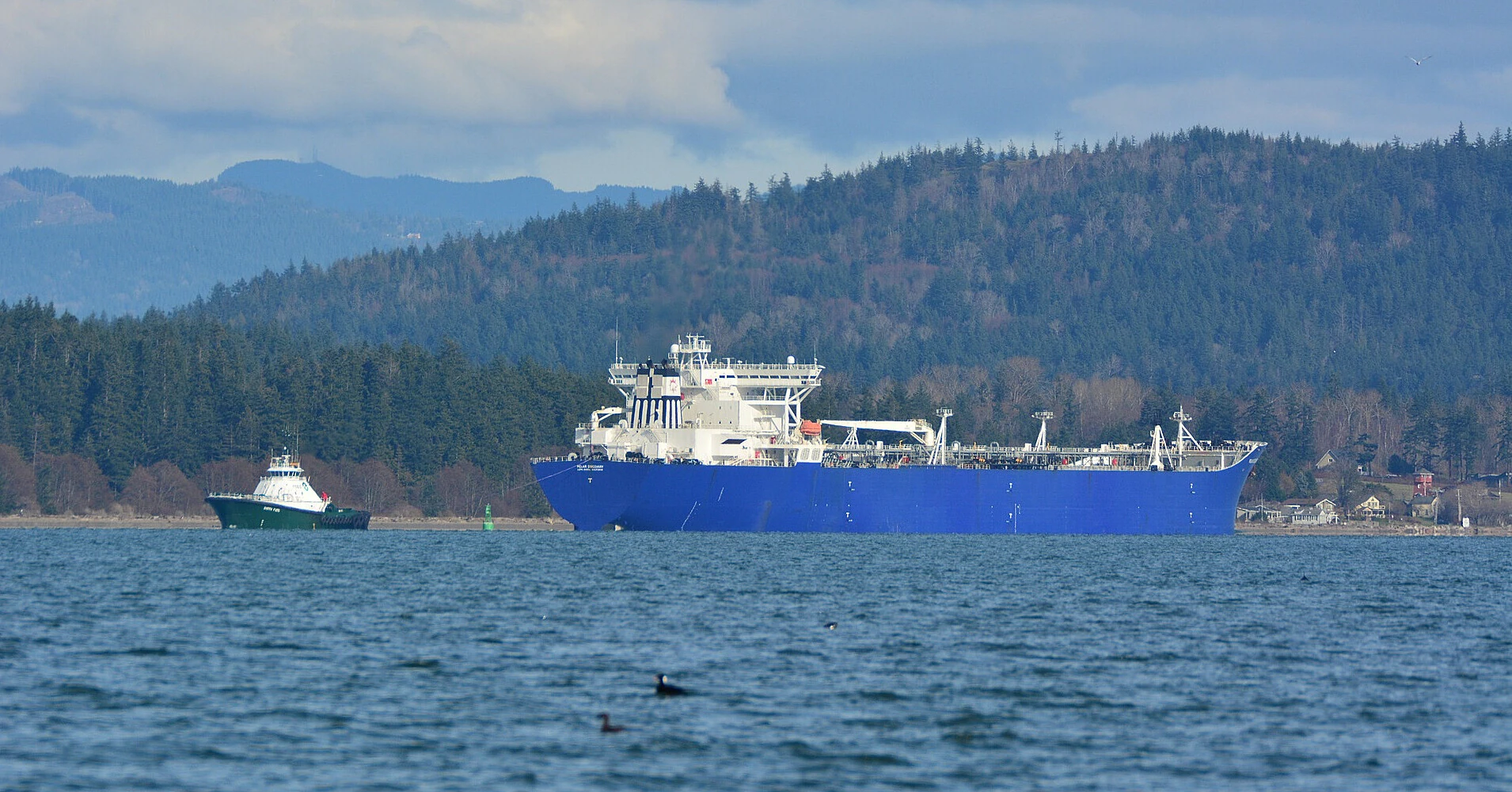
Turkey is reducing purchases of Russian oil amid disruptions to exports through the Black Sea. Port operational failures and rising risks for shipping have limited available crude volumes for Turkish refineries, according to data from industry analytics companies cited by Reuters.
After Russia launched its full-scale war against Ukraine, Turkey became one of the largest buyers of Russian oil, which a significant part of the European market had abandoned. The country remains the largest buyer of Russian seaborne oil cargoes in the Mediterranean and one of the main markets for Urals crude along with India and China.
Supplies changed noticeably throughout 2026. In May, Urals imports to Turkey were about 161 thousand barrels per day—compared with an average of 189 thousand in January–April and 302 thousand barrels per day in May 2025. The decline then was attributed primarily to the rising price of the Russian grade and strong demand from Asian buyers.
Already in June the situation reversed: Turkey increased Urals purchases to 1.6 million tons—the highest volume since May 2024. Supplies grew after the return of Tupras, Turkey’s largest refiner, to the Russian market. Significant volumes were also received by the STAR refinery owned by Azerbaijan’s SOCAR.
However, in the summer, disruptions directly related to Black Sea export infrastructure became the key factor. In July, attacks on tankers and facilities in the Novorossiysk area repeatedly halted oil loading and forced shipowners to avoid certain terminals. Novorossiysk exports both Russian oil and significant volumes of Kazakh oil via the Caspian Pipeline Consortium system.
The scale of the disruptions was also evident in CPC Blend shipments. According to Kpler, in July the Caspian Pipeline Consortium terminal loaded about 1.3 million barrels per day—more than 300 thousand barrels less than the June level and about 600 thousand less than in May.
Problems with Black Sea shipping continued into August. On August 13, Reuters reported that after another attack Russia was forced to temporarily halt operations at all three Novorossiysk terminals. The growing number of attacks on vessels and port infrastructure simultaneously increased insurance and transport risks in the region.
For Turkey, the disruptions are especially sensitive because of the structure of its refining industry. Local plants traditionally buy Urals due to its specifications and price, and the number of comparable quality grades available in the Mediterranean is limited. Previously, Turkish companies compensated for the decline in Russian supplies with oil purchases from Kazakhstan and Iraq.
The reduction in Turkey’s purchases is also important for Russia: after losing a significant part of the European oil market, Moscow depends on a limited number of large buyers. At the same time, strikes on refineries and export infrastructure complicate Russia’s ability to redistribute crude between domestic processing and external markets.
Based on: Reuters
