
Gulf countries increased oil shipments through Hormuz
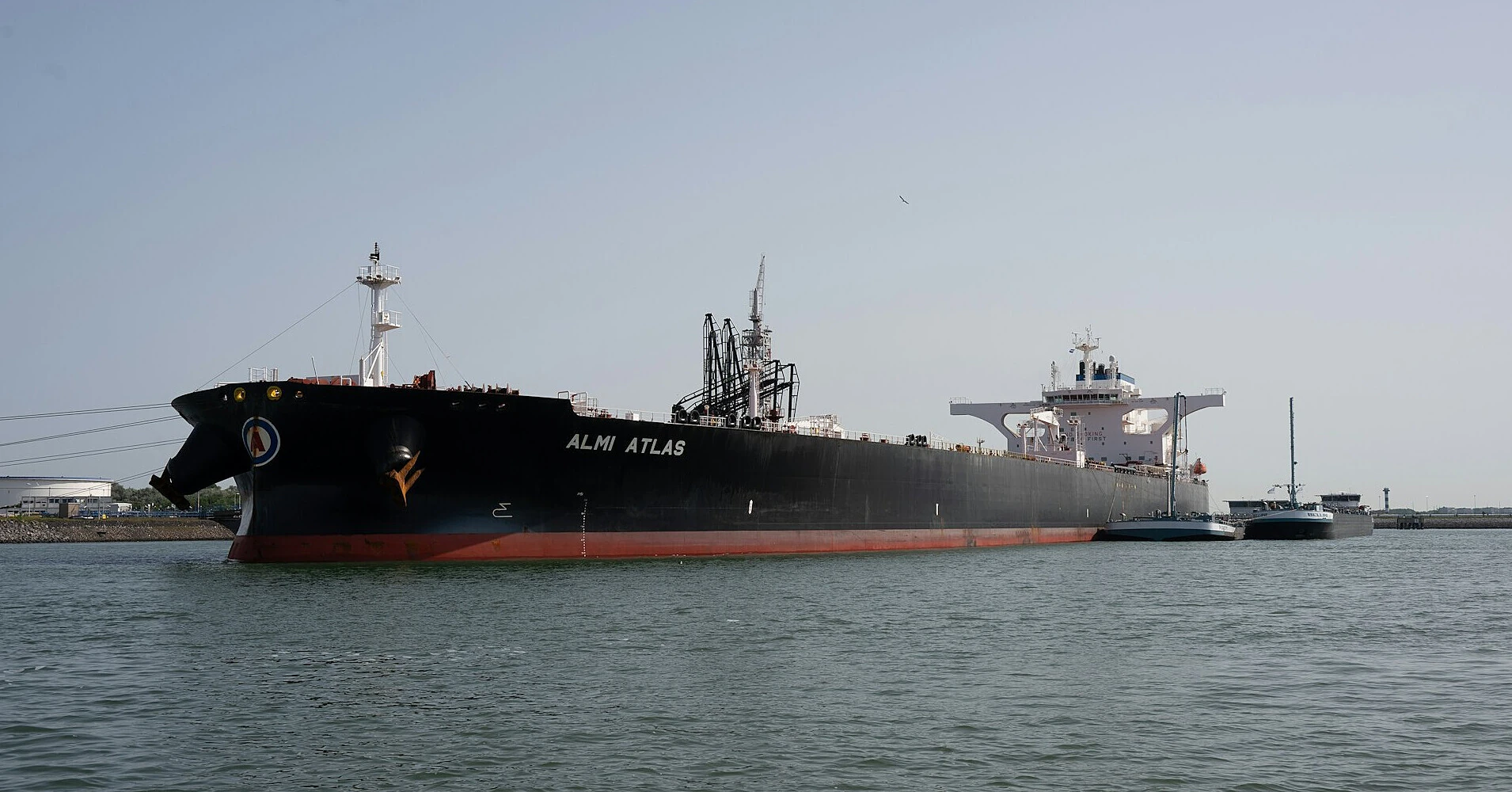
Gulf countries continue to export significant volumes of oil through the Strait of Hormuz using vessels with automatic identification systems turned off. According to Bloomberg, the actual volumes of such shipments exceed market estimates of 4 million barrels per day and help keep global oil prices in check.
The scheme involves transporting crude through the strait in small batches and then transferring it to large tankers outside the Persian Gulf. In addition to the United Arab Emirates, Iraq, Qatar, and Kuwait export oil this way. Bloomberg cites vessel tracking data from Kpler and Vortexa.
Before the war began, about 20 million barrels of oil per day passed through the Strait of Hormuz – about a fifth of global consumption. U.S. Energy Secretary Chris Wright said last week that recently about 9 million barrels per day had passed through the strait. Commercial systems may undercount this figure because some ships do not transmit their location data.
Along with the use of pipelines, the release of strategic reserves, and weaker global demand, such shipments allowed avoiding the worst scenario for the oil market. For most of August, Brent traded in the range of $80–90 per barrel, although at the start of the conflict some market participants allowed for a jump to $150.
At the same time, the situation remains unstable. On Monday, August 17, Brent rose to $89.40 per barrel amid a slowdown in vessel traffic through the Strait of Hormuz and diminished expectations for a quick resolution of the conflict between the U.S. and Iran. According to Kpler, on Saturday five cargo vessels passed through the strait, compared with 31 on previous weekends.
Shipping remains risky due to attacks on commercial vessels. ADNOC reported a series of attacks on its tankers, but the company continues to supply oil to customers. According to Bloomberg, covert sailings along with alternative routes have become one of the key factors that have so far prevented disruptions in the Persian Gulf from turning into a much larger deficit on the world market.
