
The Fed allowed for another rate hike if inflation does not decline
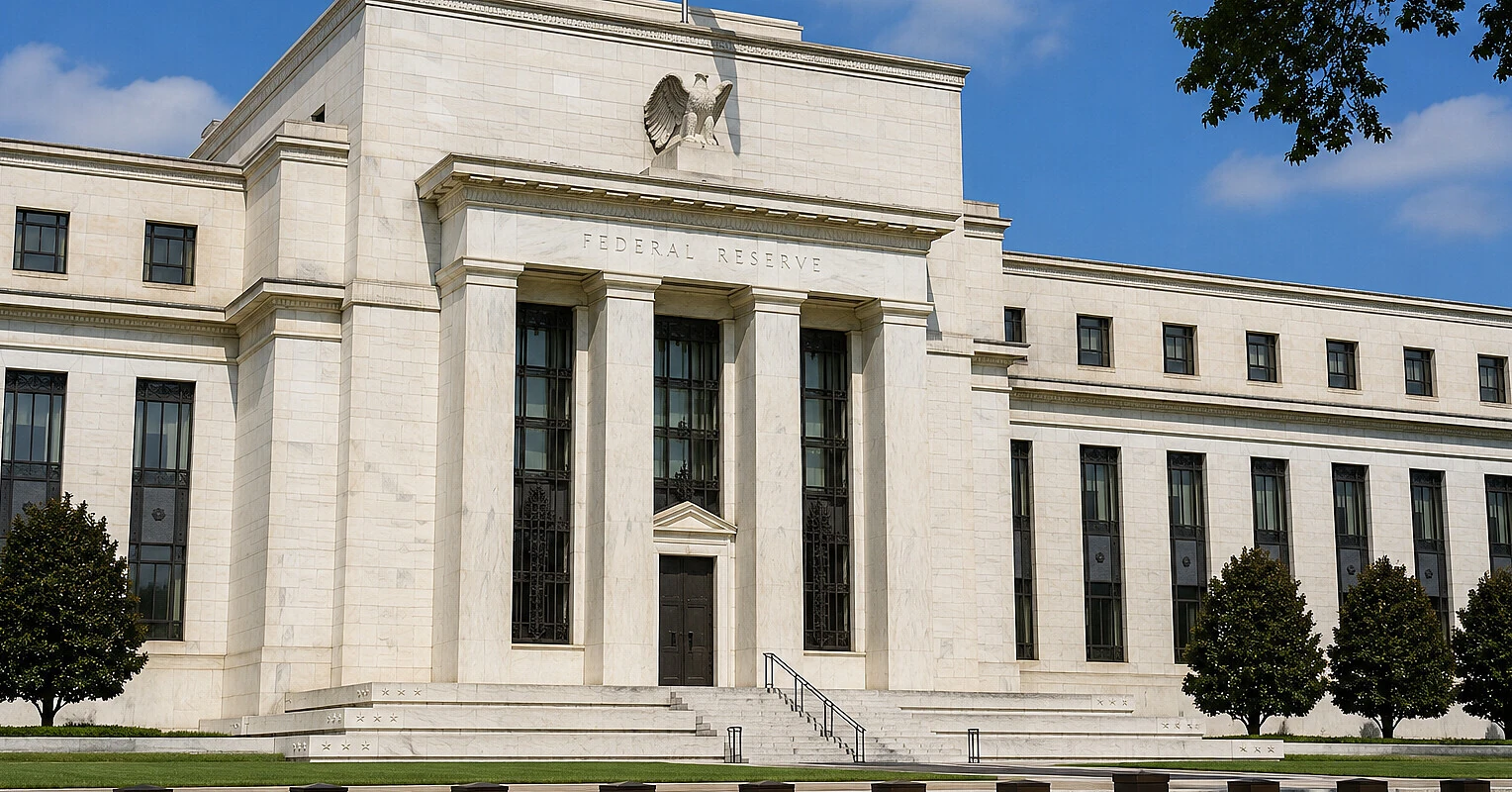
Many leaders of the US Federal Reserve believe that the interest rate will have to be raised again if inflation does not continue to decline. This is evidenced by the minutes of the Federal Open Market Committee (FOMC) meeting held on July 28–29 and published on August 19. The document showed increased concerns about persistent price growth and a tougher discussion within the US central bank.
At the July meeting, the Fed maintained the target range for the federal funds rate at 3.50–3.75%. However, the decision was made by nine votes against three. Cleveland Federal Reserve Bank President Beth Hammack, Minneapolis Fed President Neel Kashkari, and Dallas Fed President Lorie Logan voted to raise the rate immediately by 0.25 percentage point.
The minutes indicate that there were more supporters of a more restrictive policy among meeting participants than the vote itself showed. Several officials believed that a rate hike was already justified in July, and many participants concluded that further tightening would likely be necessary if inflation did not move lower. The Fed does not specify the exact number of participants designated in the minutes by the words "several" and "many".
Fed fears inflation will remain high
The main argument of proponents of a hike remains inflation, which still exceeds the Fed's long-term target of 2%. In the statement following the July meeting, the regulator directly noted that price growth remains elevated, including due to supply shocks and higher prices for certain categories, including energy. At the same time, the US economy continues to grow at a steady pace, and the labor market situation does not yet give the regulator strong grounds to ease monetary policy.
The latest available data on the Fed's preferred inflation gauge also show that price pressure remains noticeable. The personal consumption expenditures (PCE) price index in June increased by 3.7% year-over-year. The core index, which excludes the most volatile food and energy prices, rose by 3.3%. At the same time, compared with May, the headline inflation indicator slowed.
In June, the discussion within the Fed was less hawkish. Then, only a few participants spoke about the existence of arguments in favor of a rate hike, but all voting members of the committee ultimately supported keeping it unchanged. Already in July, three FOMC members voted for a hike, indicating a marked increase in disagreements over further monetary policy.
Decision on rate hike not yet made
The publication of the minutes does not mean that the Fed has already decided to raise the rate at the next meeting. Further actions will depend primarily on new data on inflation, the labor market, and economic activity. The next FOMC meeting is scheduled for September 15–16.
For the Fed, the key question is whether inflation will continue to decline fast enough. If price pressure persists, the number of supporters of a new policy tightening may increase. If new data confirm a sustained slowdown in inflation, the regulator will be able to continue the pause.
"Kurs Ukrainy" previously wrote that even after the June meeting, some Fed leaders admitted the need to return interest rates to growth. The new minutes show that by the end of July, support for such a scenario within the central bank had strengthened.
Based on materials from: Federal Reserve, Bloomberg, U.S. Bureau of Economic Analysis
