
Port blockade could cost Ukraine over 5% of GDP
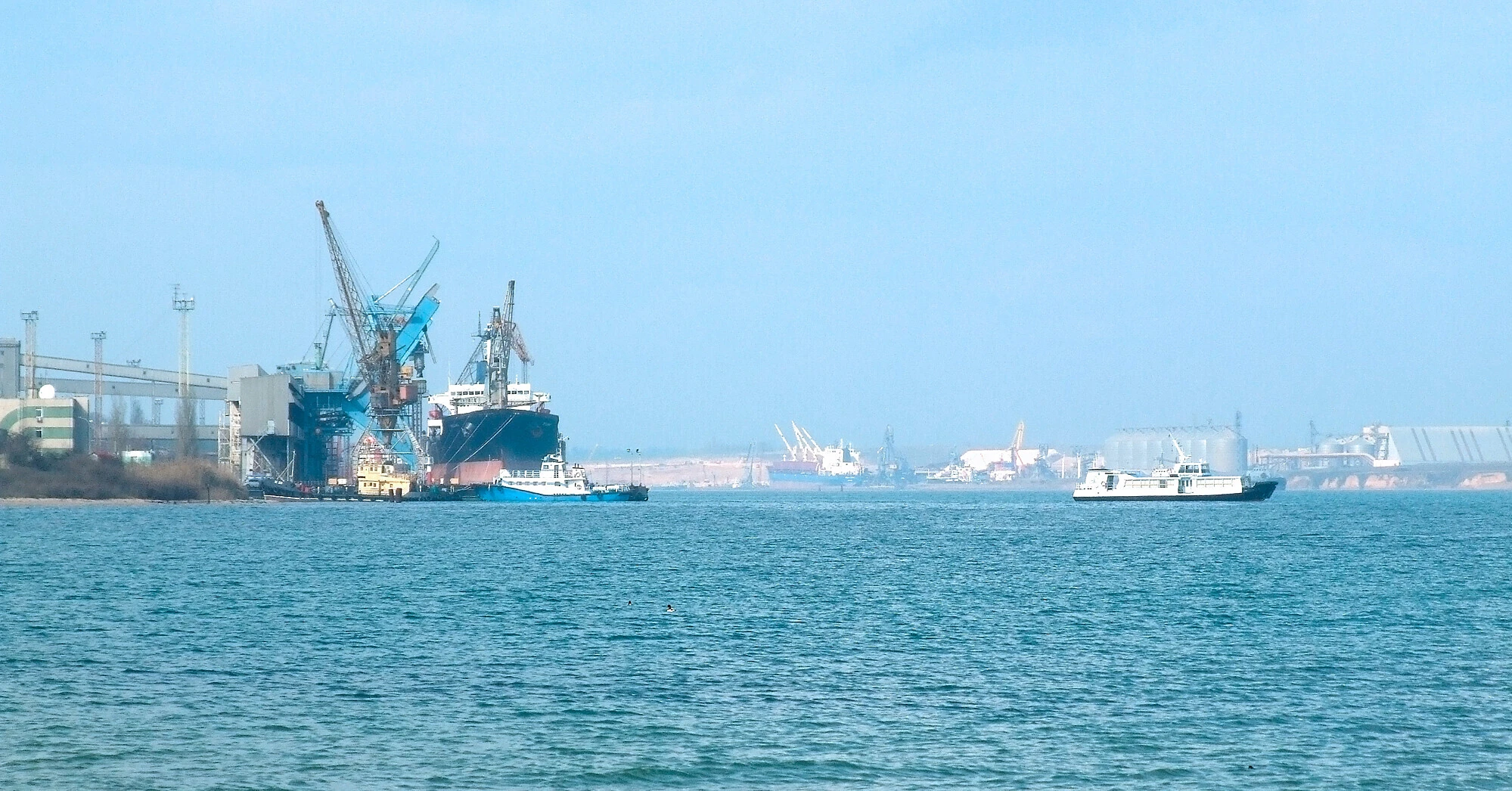
Prolonged disruptions in the operations of Ukrainian Black Sea ports can cause significant damage to the country's economy. Under the most unfavorable scenario in 2027, they could be equivalent to 5.3% of Ukraine's GDP, according to Oxford Economics assessment cited by Bloomberg.
According to analysts' base case, problems with agricultural exports could cost Ukraine equivalent to 1.8% of GDP in 2026 and 2.1% of GDP in 2027. If serious disruptions to exports through the Black Sea persist, losses next year could rise to 5.3% of GDP.
This is not a forecast of a direct 5.3% drop in Ukrainian GDP, but an estimate of economic losses from prolonged export disruption compared with a scenario without such a large-scale shock.
The worsening forecasts were caused by Russian strikes on the ports of Greater Odesa and the escalation in the Black Sea. As a result, grain exports came to a virtual halt precisely during the active harvest period.
According to Minister of Agrarian Policy Taras Vysotskyi, since the beginning of August, Ukraine exported only about 500,000 tons of grain - about a fifth of the potential volume of supplies.
Ukraine's economy significantly depends on these processes: over half of the state's export revenues are generated by the agro-industrial complex, and the lion's share of grain exports (about 90%) is traditionally shipped through Black Sea port infrastructure.
The consequences are already being felt by farmers. Due to the sharp reduction in export opportunities, significant grain stocks are accumulating on the domestic market, and prices, according to Bloomberg, in some cases are about a third of world levels and do not cover production costs.
Current Ukraine previously wrote that the port blockade had already led to a drop in domestic grain prices and created a risk of a wave of bankruptcies among agricultural producers.
A separate problem is the shortage of storage facilities for the new crop. According to estimates of the Ministry of Agrarian Policy, if export flows are not restored, effective storage capacity could be exhausted by early November.
The Ministry also forecasts that Ukrainian wheat exports in the 2026/2027 season could shrink to 8.3 million tons, down from the previous estimate of 17.6 million tons. Total agricultural exports may amount to about 30 million tons even with the use of alternative routes.
The Ukrainian government is trying to mitigate the consequences of the crisis by offering subsidized loans for farmers, expanding storage capacity, and developing alternative export routes. Kyiv has also requested a €220 million grant from the EU to support the sector.
However, railway routes to Europe have limited throughput capacity, and the use of Danube ports is complicated by low water levels. Both options are also more expensive than sea transportation through the ports of Greater Odesa.
Based on materials from: Bloomberg
