
US preparing "harshest sanctions in history" against Iran
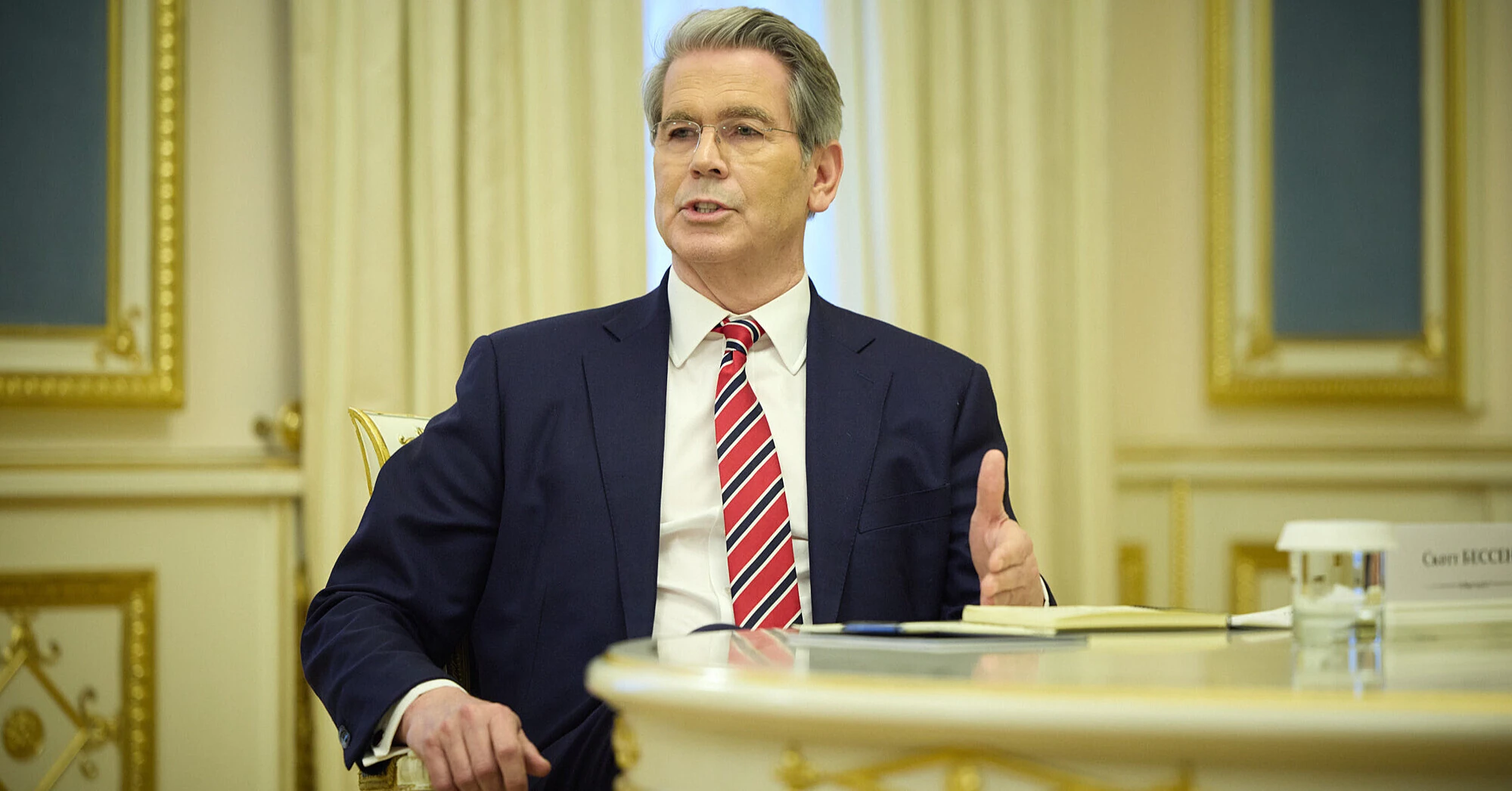
The United States is preparing the "harshest sanctions in history" against Iran and intends to seek maximum international isolation of Tehran. American restrictions may also target countries and companies that continue to buy Iranian oil, transfer funds, or assist with maritime shipping.
This was stated by US Treasury Secretary Scott Bessent in an interview with CNBC.
According to him, Washington plans to organize "the largest coordinated economic isolation in world history". Bessent promised to present details of the new measures at a press conference on Monday, August 24.
The minister made it clear that the US will demand that its allies and other states effectively choose a side in the confrontation with Tehran.
"You are either with us or against us", Bessent described Washington's approach.
According to him, if countries continue to do business with Iran, including transferring money to it, buying Iranian oil, or assisting with maritime shipping of goods, the Treasury Department and the US government will use their capabilities to enforce the sanctions regime against them.
Bessent called the upcoming measures "the harshest sanctions in history". Together with the current American naval blockade of Iranian ports in the Gulf of Oman, they are intended, according to the plan of Donald Trump's administration, to create dual pressure on Tehran.
"We have a blockade, and we will have the harshest sanctions in history", the head of the American Treasury said.
He named the collapse of the Iranian regime's economy as the goal of the campaign.
Trump declared "economic D-Day"
Bessent's statement came after US President Donald Trump announced a new large-scale campaign of economic pressure on Iran. He called it "economic D-Day" and urged US allies to join Tehran's isolation.
Trump warned of serious economic consequences for any country that allows its banks, companies, airports, or government institutions to provide economic support to Iran.
Among the schemes that the US intends to disrupt, the president named oil smuggling, currency swaps, money transfers, exchange offices, ship registration, and the use of front companies.
US hopes to reduce the scale of hostilities
At the same time, Bessent said that increased economic pressure may reduce the likelihood of resumption of large-scale American military operations against Iran.
According to him, if the strategy of maximum economic pressure works, then "a large-scale resumption of kinetic actions" will likely not be needed.
Iran rejected Washington's new threats. Foreign Minister Abbas Araghchi said that further tightening of sanctions will not force Tehran to yield and accused the US of "economic terrorism".
