
"Gift to Putin": Western press assesses Fedorov's call for elections
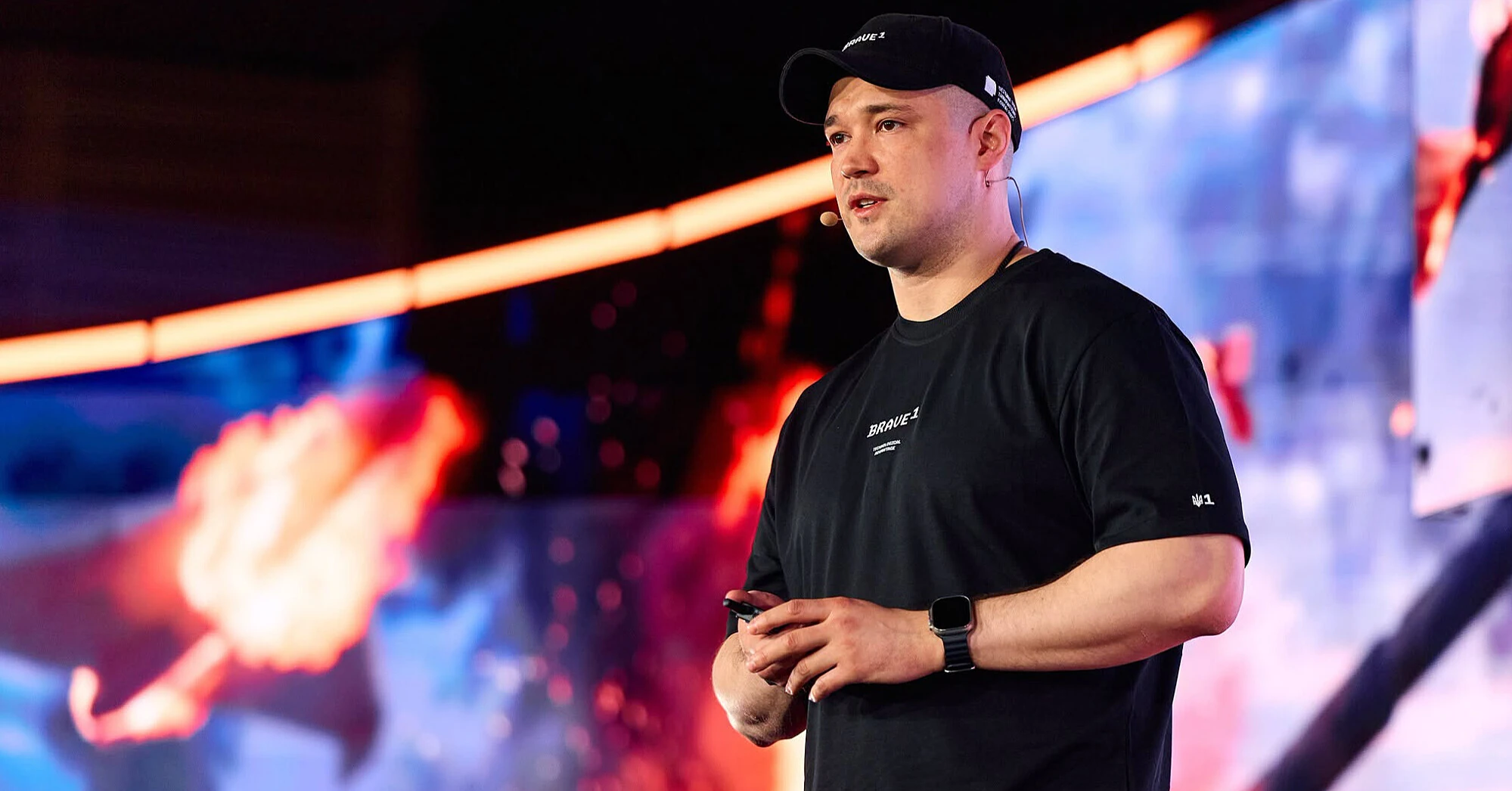
Former Defense Minister Mykhailo Fedorov's call to find a mechanism for holding elections during the war did not receive unanimous support in major Western media. Even commentators who hold Fedorov in high esteem and criticize President Volodymyr Zelensky largely warn that voting now could deepen internal divisions and create additional opportunities for Russia.
The British Times took one of the harshest stances. In its material on Fedorov's speech, the publication put in the headline the thesis that the call for elections is "exactly what Putin wants".
The Times editorial also sided with Zelensky precisely on the elections issue. The newspaper believes that holding a full-fledged and indisputably legitimate vote under current conditions is practically impossible because of millions of Ukrainians abroad, occupied territories, and the large number of military personnel at the front.
Additionally, an election campaign during wartime, in the editorial's view, would give Russia broad opportunities for disinformation and fueling internal disputes. At the same time, The Times does not retract its criticisms of Zelensky himself and calls on him to fight corruption significantly more harshly.
CNN gave a similar assessment. The network called Fedorov's speech the biggest domestic political challenge to Zelensky during the full-scale war, but questioned the possibility of organizing a vote whose result would not provoke disputes over legitimacy.
CNN commentator Nick Peyton Walsh points out that even under peaceful conditions, Ukraine would need months for legislative and technical preparation of elections. A defective vote that would allow the result to be questioned he calls a great gift to Moscow.
CNN considers the political paralysis after the elections a separate risk. According to the author, the losing side might not recognize the result and use parliament and other institutions to block the winner's decisions precisely when the state is waging war.
At the same time, the network acknowledges the strength of Fedorov's argument: if Ukraine is fighting for a democratic European state, postponing democratic procedures indefinitely also creates a problem. But CNN believes these risks must be weighed against the immediate threat to the state during wartime.
Bloomberg commentator Mark Champion holds a similar dual position. He calls Fedorov one of the most prominent political figures to emerge in Ukraine since the start of the full-scale invasion, and assesses positively his contribution to digitalization and the development of military technologies.
However, Champion characterizes the call for elections itself as reckless and mistaken. In his view, voting during wartime would not be a challenge to Vladimir Putin, but rather align with Russian strategy — to question the legitimacy of Ukrainian authorities and deepen internal political polarization.
At the same time, Bloomberg critically views Zelensky's decision to dismiss Fedorov. Champion believes it would have been better to have former minister back in power, as his managerial and technological abilities remain important for the country.
The most contradictory discussion unfolded on the pages of The Daily Telegraph. Columnist Con Coughlin believes a heated election campaign could undermine Ukraine's war effort, and the question of the future political order of the country is best resolved after the war.
Meanwhile, another Telegraph author, Owen Matthews, views Fedorov's political future much more favorably. He allows that the former minister could offer Ukraine a "fresh start", especially against the backdrop of corruption scandals and a crisis of trust in authority. He compares his potential program to the anti-corruption promises of Zelensky himself in 2019.
Nevertheless, even Matthews acknowledges a serious problem: holding elections during wartime would raise questions regarding the legitimacy of their results.
Thus, in the Western press there is no single assessment of Fedorov himself. Some commentators see him as a strong reformer and a potential political rival to Zelensky, while others consider his recent speech opportunistic. But regarding immediate elections, positions are much closer: the main risks cited are the impossible participation of military personnel and refugees, Russian interference, disputes over the legitimacy of the result, and internal political fracturing.
Based on materials from: The Times, CNN, The Daily Telegraph, Bloomberg
