
Britain is launching large-scale construction of social housing
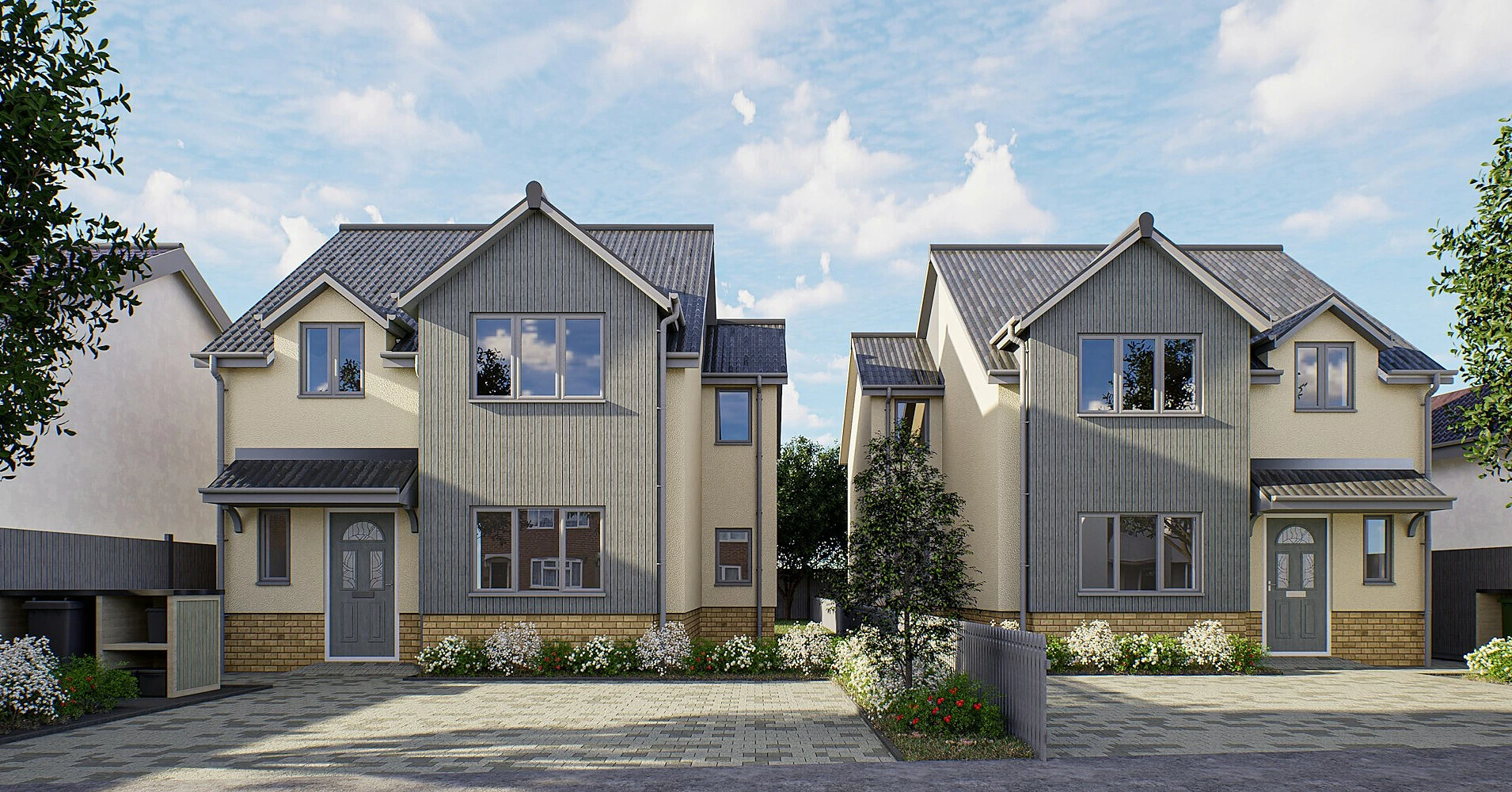
The UK government has announced the first major allocation of funds under its ten-year programme for building social and affordable housing in England. Almost £10 billion ($13.6 billion) will be directed towards creating over 70,000 new homes.
This is the first wave of funding under the Social and Affordable Homes Programme totalling £39 billion (approximately $53 billion) over ten years. The programme is set to be the largest state investment in social housing for decades.
According to the government, £9.58 billion ($13 billion) will go to 33 strategic partners outside London — local councils, housing associations and other operators. This funding is expected to support the construction of 73,600 social and affordable homes over the next ten years.
Around 60% of the housing is planned to be allocated for social rent — the most affordable segment of rental housing, where rates are significantly below market levels. In total, the government plan envisages building about 300,000 social and affordable homes, with at least 60% of them being for social rent.
A significant portion of the first funding will go to the largest urban agglomerations. Greater Manchester is set to receive around £529 million ($721.4 million) for approximately 4,400 homes, the West Midlands — £409 million ($557.8 million) for 3,200, West Yorkshire — £441 million for around 4,000.
For North East England, £445 million is provisionally allocated for 3,400 homes, the Liverpool City Region — £380 million for 3,100, South Yorkshire — £249 million for 2,200.
Separate substantial funding is provided for London, where housing affordability is particularly acute. The capital's authorities plan to direct at least £6 billion through the programme, with more than half of the homes funded in London to be built by local councils.
One of the features of the new model will be a greater role for municipalities. The government wants to bring local councils back to large-scale construction of their own housing, whereas over recent decades housing associations have implemented the bulk of social projects.
To strengthen local authority capacity, the government is also allocating an additional £46 million over three years for project preparation, developing specialist teams, and involving councils in building and acquiring new housing.
The need for new housing remains high: according to the UK government, nearly 180,000 children are living without settled accommodation, including in temporary accommodation. Households in such conditions and people on social housing waiting lists are expected to be among the main beneficiaries of the programme.
The current funding allocation is only the first stage of the ten-year programme. Outside London, more than £16 billion remains for future rounds of allocation, and the government states that priority will continue to be given to social rent and council housing projects.
Based on materials from: UK government, BBC
