
Cow herd reduction accelerates in Ukraine, but large enterprises increased their livestock
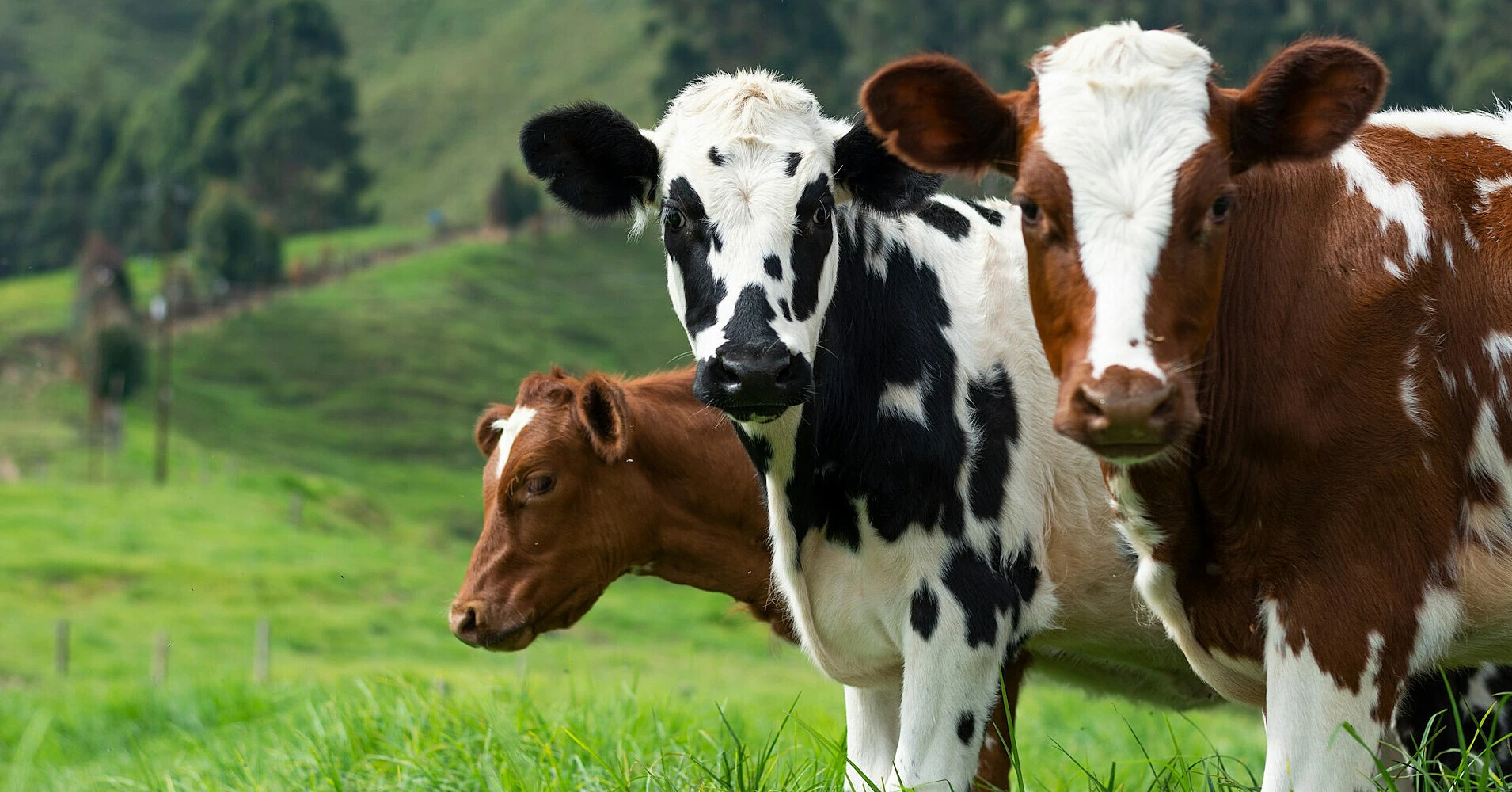
The cow population in Ukraine as of August 1, 2026 decreased to 932.6 thousand heads - 18% less than a year earlier. At the same time, the decline almost entirely falls on households, while agricultural enterprises increased the number of cows by about 3% over the year.
This is reported by the Association of Milk Producers with reference to preliminary data from the State Statistics Service.
The total number of cattle in Ukraine at the beginning of August was 1.751 million heads. Over the month it decreased by 15.9 thousand heads, or 0.9%, and compared to August 1, 2025 - by approximately 400 thousand heads, or 19%.
The number of cows in July decreased by 8.6 thousand heads, also by 0.9%. Over the year, Ukraine lost about 208 thousand cows.
The main reduction falls on households
The largest decline is in the household sector. As of August 1, households kept 798.1 thousand heads of cattle, of which 539.8 thousand are cows.
In just one month, the number of cattle in households decreased by 14 thousand heads, or 1.7%, and cows - by about 5 thousand, or 0.9%.
Over the year, the decline is much stronger: the cattle population in the household sector decreased by 35%, and cows - by 29%, or approximately 219 thousand heads.
Thus, households now account for about 58% of all cows in Ukraine, while enterprises - approximately 42%.
Industrial farms increased their livestock over the year
A different situation is observed at agricultural enterprises. They keep 953 thousand heads of cattle, including 392.8 thousand cows.
In July, the industrial sector also reduced the herd: cattle decreased by about 2 thousand heads, and cows - by 3.8 thousand.
However, compared to August last year, enterprises, on the contrary, increased their livestock. The number of cattle increased by approximately 29.5 thousand heads, or 3%, and cows - by 11.2 thousand heads, also about 3%.
Growth in cow numbers at enterprises over the year was recorded in 12 oblasts. The highest rates were in Rivne Oblast - about 28%, Lviv - 21%, Kharkiv - 15%, Ternopil - 13%, and Zhytomyr - 8%.
The largest numbers of industrial sector cows are kept in Poltava Oblast - 52.4 thousand heads, Cherkasy - 46.1 thousand, Chernihiv - 38 thousand, Kyiv - 35.4 thousand. In Khmelnytskyi and Vinnytsia Oblasts - 32.5 thousand heads each.
Costs are rising faster than milk prices
The Association of Milk Producers explains the July reduction in herd numbers on farms primarily by the worsening economics of milk production.
According to the association, fuel price increases raise the costs of delivering milk to processing plants and feed production. Additional pressure is created by high costs of fertilizers and logistics.
Meanwhile, purchase prices for raw milk, according to the AVM, in many cases only allow producers to operate near the break-even point or lead to losses.
This encourages some farms to reduce herds and send animals to slaughter. According to preliminary data from the State Statistics Service, in January-July 2026, cattle slaughter volumes amounted to 79.24 thousand tons - 6% more than in the same period last year. In July, slaughter in the industrial sector increased by another 2% compared to June.
Since 2014, the number of cows has decreased almost threefold
AVM notes that herd reduction is a long-term problem for Ukrainian livestock farming. Since 2014, the number of cows in the industrial and household sectors of the country has decreased almost threefold.
After the start of the full-scale war, the situation was further complicated by the destruction of enterprises and the need to relocate livestock farms from frontline regions to the west and center of the country.
Currently, a program to support the construction and reconstruction of livestock complexes operates in Ukraine. According to AVM, 31 enterprises are already implementing relevant projects. For agricultural producers relocated from frontline territories, compensation for the cost of building or reconstructing farms has been increased to 50%.
The association warns that without modernization of the dairy processing industry and increases in purchase prices, the most vulnerable remain small and medium-sized farms, which account for about 40% of the livestock.
The statistical data provided do not include the temporarily occupied territories of Russia and part of the territories where hostilities are ongoing. Data for Donetsk, Luhansk, and Kherson Oblasts are partially not disclosed in accordance with official statistics requirements.
Based on materials: Association of Milk Producers
