
Freight in Danube ports is becoming more expensive again due to shallowing
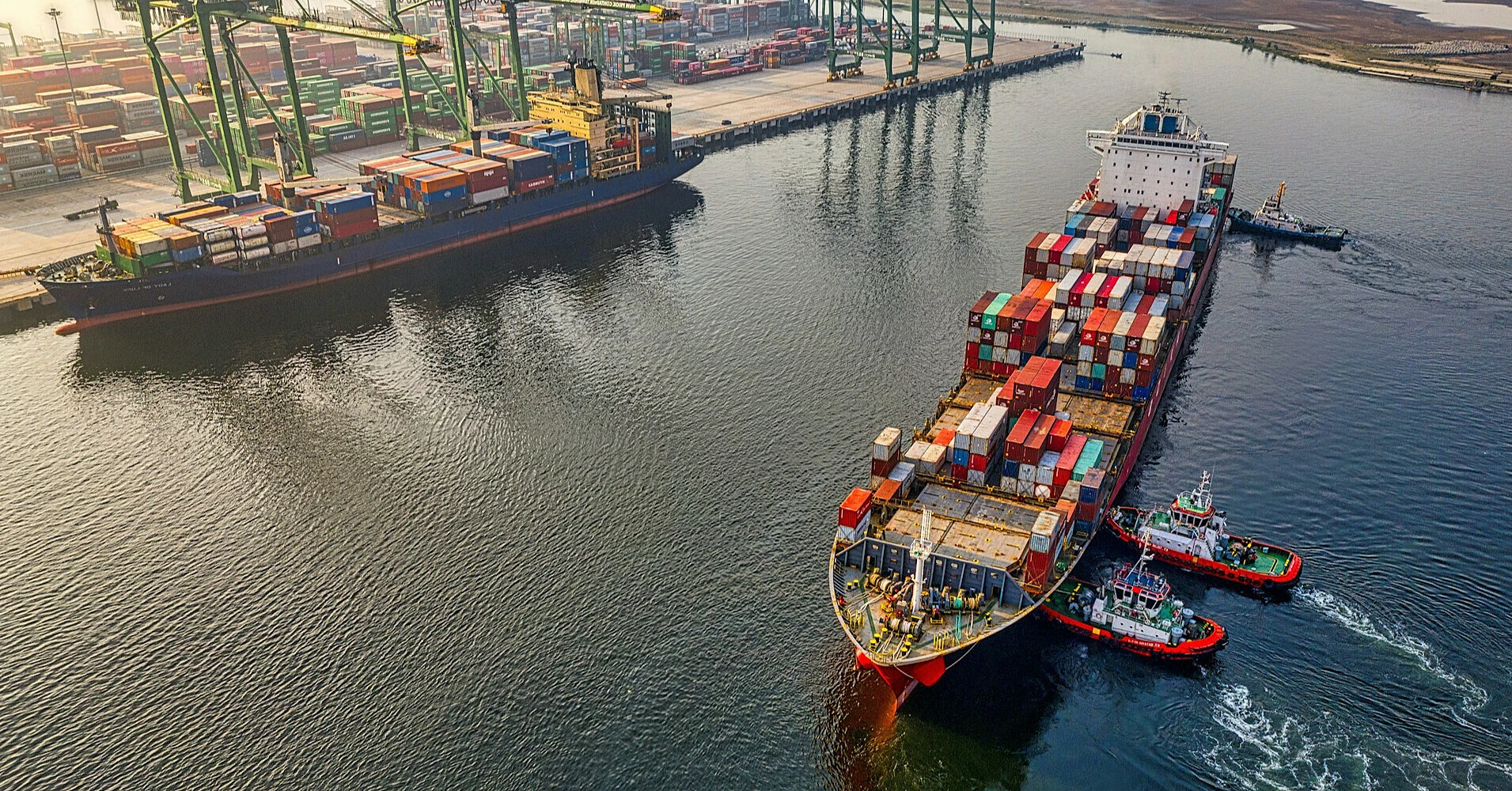
The cost of transporting agricultural cargo from Ukrainian Danube ports is increasing again. Over the past week, shipowners have raised rates on a number of routes due to increased waiting time to pass the Sulina Canal, while the critically low water level in the Danube continues to support high rates for barge transportation.
According to ASAP Agri analysts, the Ukrainian freight market is currently largely focused on transportation by small sea vessels - coasters - from Danube ports. Barges are also used, but their availability increasingly depends on the water level in the river.
Over the past week, rates for coasters have increased on several routes. Shipowners were able to achieve higher transportation costs amid longer waiting times to pass the Romanian Sulina Canal.
Longer queues mean additional costs for vessel downtime and operation. Fleet owners include these costs in the transportation price, which ultimately increases logistics costs for Ukrainian exporters.
Danube shallowing limits availability of suitable vessels
Another factor remains the critically low water level in the Danube. It limits the permissible draft of vessels and does not allow full use of their carrying capacity.
This is particularly noticeable in barge transportation. Due to draft restrictions, the number of suitable tonnage decreases, so shipowners maintain stronger positions in negotiations and continue to raise rates.
The trend toward higher prices had formed earlier. As of August 14, transportation by coasters from Ukrainian Danube ports to Egypt was estimated at about $68-69 per ton. For comparison, in early August last year, rates on this route were about $60-65 per ton.
At the same time, in previous weeks the market already experienced a sharp jump in rates due to problems with the operation of Black Sea ports. Reorientation of part of the cargo to the Danube increased demand for available fleet, and the limited number of shipowners willing to work in the region further supported prices.
For Ukrainian agricultural exporters, this means a further increase in delivery costs for grains and oilseeds. Particularly sensitive to the price increase are cargoes with low margins, for which an additional few dollars of freight per ton directly reduce the price that a trader can offer to producers.
In materials: AgroWeek
