
US Supreme Court allows Trump to advance new mail-in voting rules
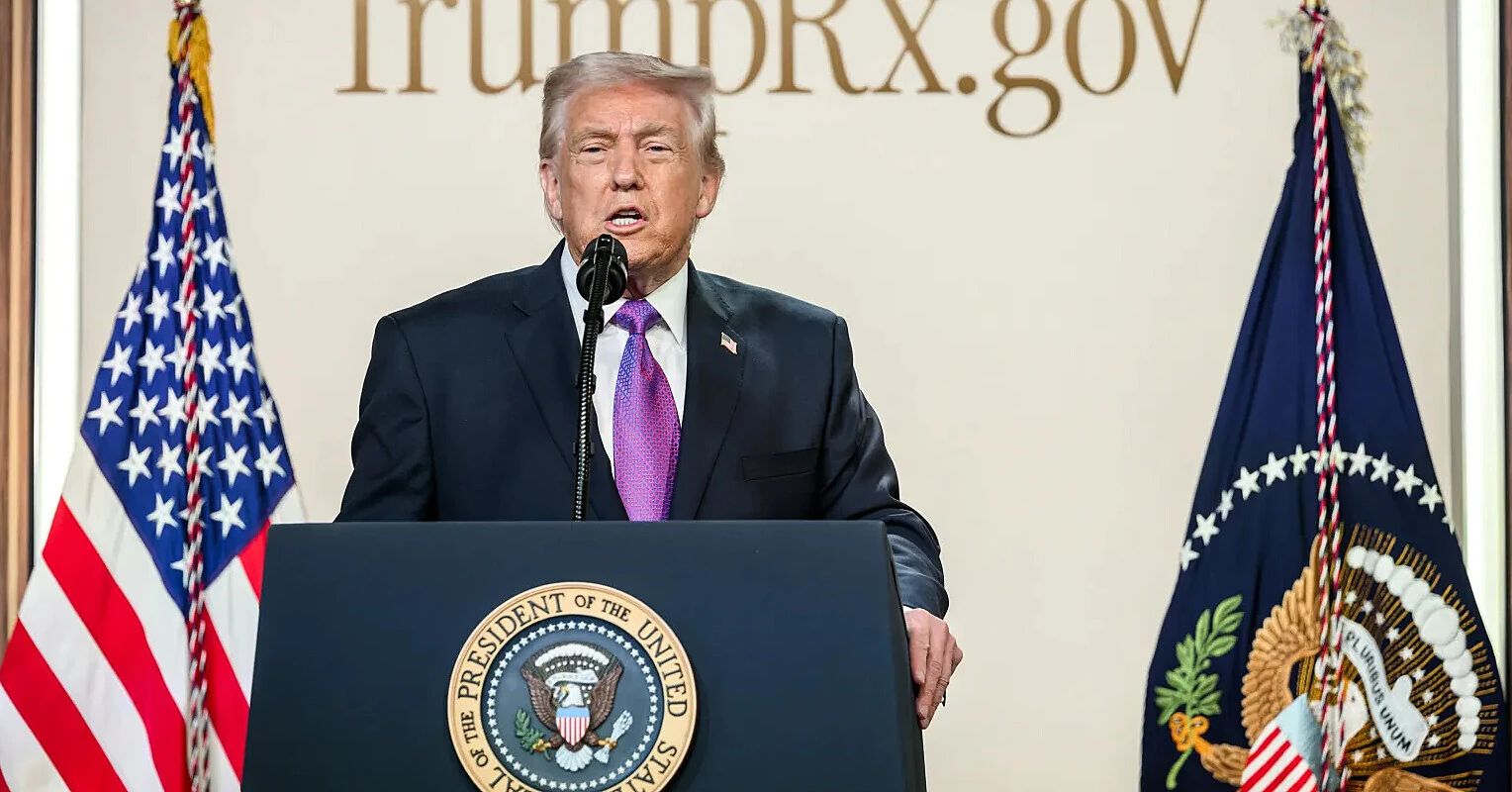
The US Supreme Court has allowed the administration of President Donald Trump to continue implementing key provisions of an executive order that sets new rules for mail-in voting ahead of the November midterm elections. At the same time, the court did not rule the restrictions themselves legal on the merits, and some obstacles to their introduction remain.
The decision was made on August 24 by six votes to three. The Supreme Court granted the Trump administration's emergency motion and stayed a federal court ruling in Massachusetts that blocked part of the presidential order in 23 states and the District of Columbia.
At the center of the case is Trump's March 31, 2026 executive order "Ensuring Citizenship Verification and Integrity of Federal Elections." It directs several federal agencies to change how they handle election data and ballots sent by mail.
In particular, the Department of Homeland Security is to work on creating lists of adult US citizens for each state. The Attorney General is instructed to prioritize investigations into instances of federal election ballots being issued to individuals who are not eligible to vote.
A separate part of the order concerns the US Postal Service. The new rules impose additional requirements on envelopes containing election ballots, including special markings and tracking barcodes. States are also required to provide the Postal Service with information about voters to whom they plan to send ballots.
Court has not yet decided whether the order is lawful
The Supreme Court's decision does not mean a final victory for Trump in the legal dispute. The justices primarily considered a procedural question – whether states could challenge the presidential order before federal agencies had fully implemented its provisions.
The majority of justices concluded that the lawsuit was filed prematurely. In its ruling, the court separately emphasized that allowing the administration to begin implementing the order does not mean that all specific measures adopted pursuant to it will necessarily comply with the law.
Thus, states will be able to go back to court if federal agencies introduce specific rules that they believe violate the Constitution or federal law.
Three justices dissented. Justice Ketanji Brown Jackson stated in her separate opinion that the court underestimates the possible consequences of abruptly changing election procedures immediately before the November elections.
What changes now
Following the Supreme Court's decision, the Department of Homeland Security can continue working on the citizenship lists provided for in the order, and the administration has more opportunities to implement other provisions of the document.
The US Postal Service has already prepared rules that establish additional technical requirements for ballots and procedures for exchanging information with states. The Trump administration explains the changes as necessary to enhance election security and prevent ineligible individuals from voting.
However, full implementation of the system before the midterm elections is still not guaranteed. In another case, a federal court issued a separate injunction that currently prevents the Postal Service from implementing one of the key parts of the presidential order nationwide. Therefore, the legal battle over the new rules will continue.
The case is particularly significant due to the proximity of the midterm elections, in which Americans will determine the new composition of the House of Representatives and part of the Senate. Voting by mail remains one of the most common ways to participate in US elections, so changing the rules on the eve of the campaign may affect millions of voters.
Sources: US Supreme Court, CBS News, SCOTUSblog
