
Trump submits nuclear deal with Saudi Arabia to Congress
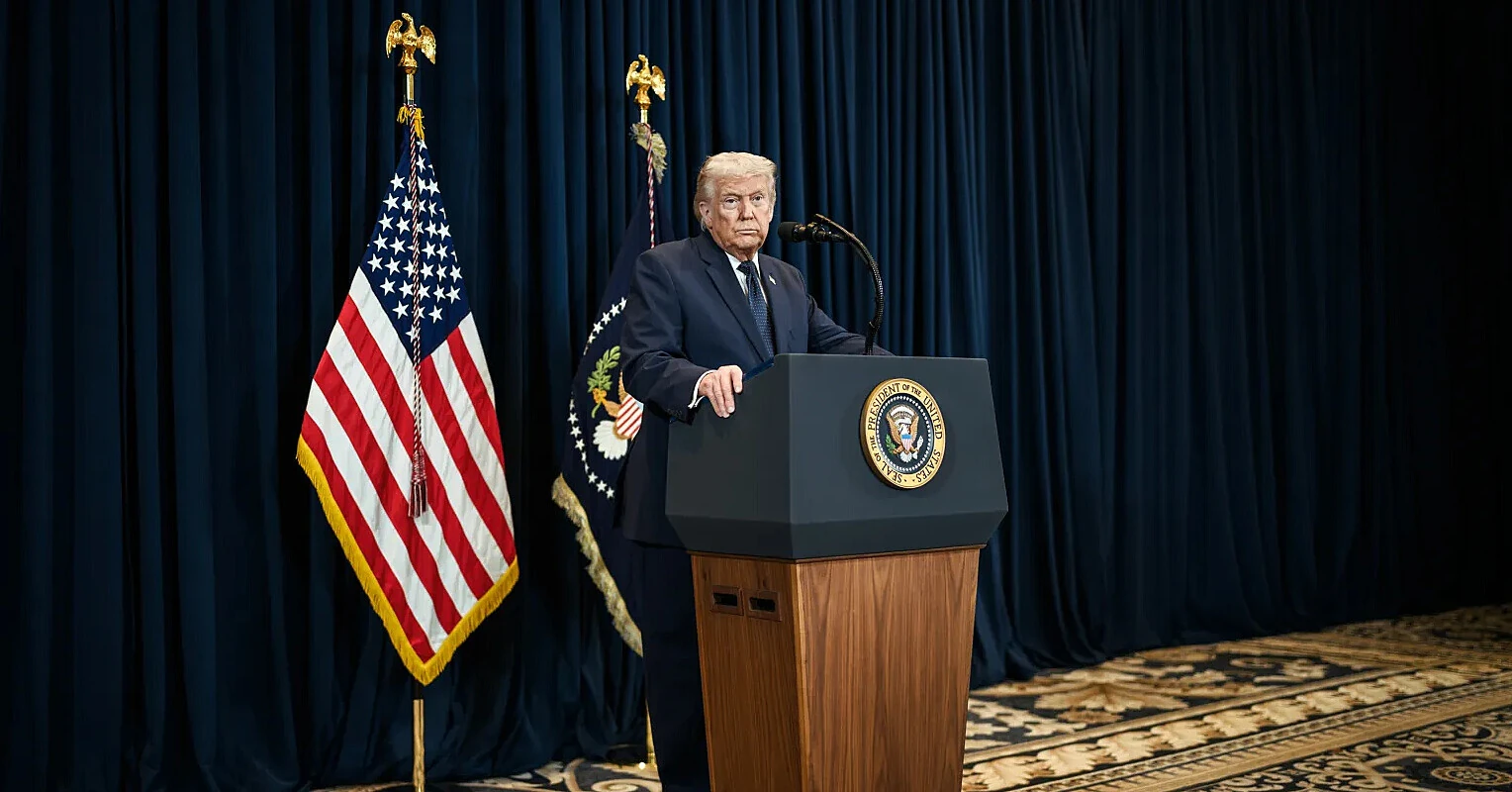
US President Donald Trump has submitted to Congress a 30-year cooperation agreement with Saudi Arabia in the field of civilian nuclear energy. This started the mandatory parliamentary review of the document that Washington and Riyadh signed in July.
According to The Wall Street Journal, the agreement was officially sent to Congress on August 24. The submission is a new stage in the procedure: after being signed on July 22, it could not enter into force without undergoing the review required by US law.
This is a so-called Section 123 agreement under the US Atomic Energy Act. Such agreements are necessary for large-scale exports of American nuclear technology, reactors, materials, and equipment to other countries.
Congress has 90 days
Under US law, Congress receives a total of 90 days of continuous session to review the agreement. If during this time lawmakers do not pass a joint resolution of disapproval that becomes law, the document can enter into force.
Thus, the Trump administration does not need a separate positive vote in both chambers to approve the agreement. At the same time, opponents of the agreement may try to block it through Congress.
The US Department of Energy previously stated that the agreement would create a legal basis for a multi-year, multi-billion-dollar partnership and provide American companies with broad access to Saudi Arabia's future nuclear programme. Washington also hopes to strengthen the position of the American nuclear industry in the international market.
Uranium enrichment issue remains open
One of the most controversial parts of the agreement is the possibility of building uranium enrichment facilities directly in Saudi Arabia.
According to the WSJ, the US and Saudi Arabia are to jointly study the economic feasibility of such a facility within two years. If the project is approved, it should be managed by American companies, and sensitive nuclear technologies will not be transferred to the Saudi side.
The lack of an unconditional waiver by Riyadh of uranium enrichment has previously raised concerns among some US lawmakers and non-proliferation experts.
Trump tied deal to Saudi Arabia's relations with Israel
A separate uncertainty remains the political condition that Trump set after the document was signed. The president stated that the implementation of the nuclear agreement would depend on Saudi Arabia joining the Abraham Accords and normalising relations with Israel.
This could complicate the practical implementation of the agreement. Riyadh has previously linked normalisation with Israel to progress in establishing a Palestinian state.
Saudi Arabia is developing nuclear energy, in particular to reduce the use of oil for domestic electricity generation and free up more crude for export. For the US, the agreement is also a major potential market for American producers of nuclear technology.
Based on: The Wall Street Journal, US Department of Energy, Congressional Research Service
