
Exports of Russian oil through the Black Sea have shrunk more than threefold - monitoring
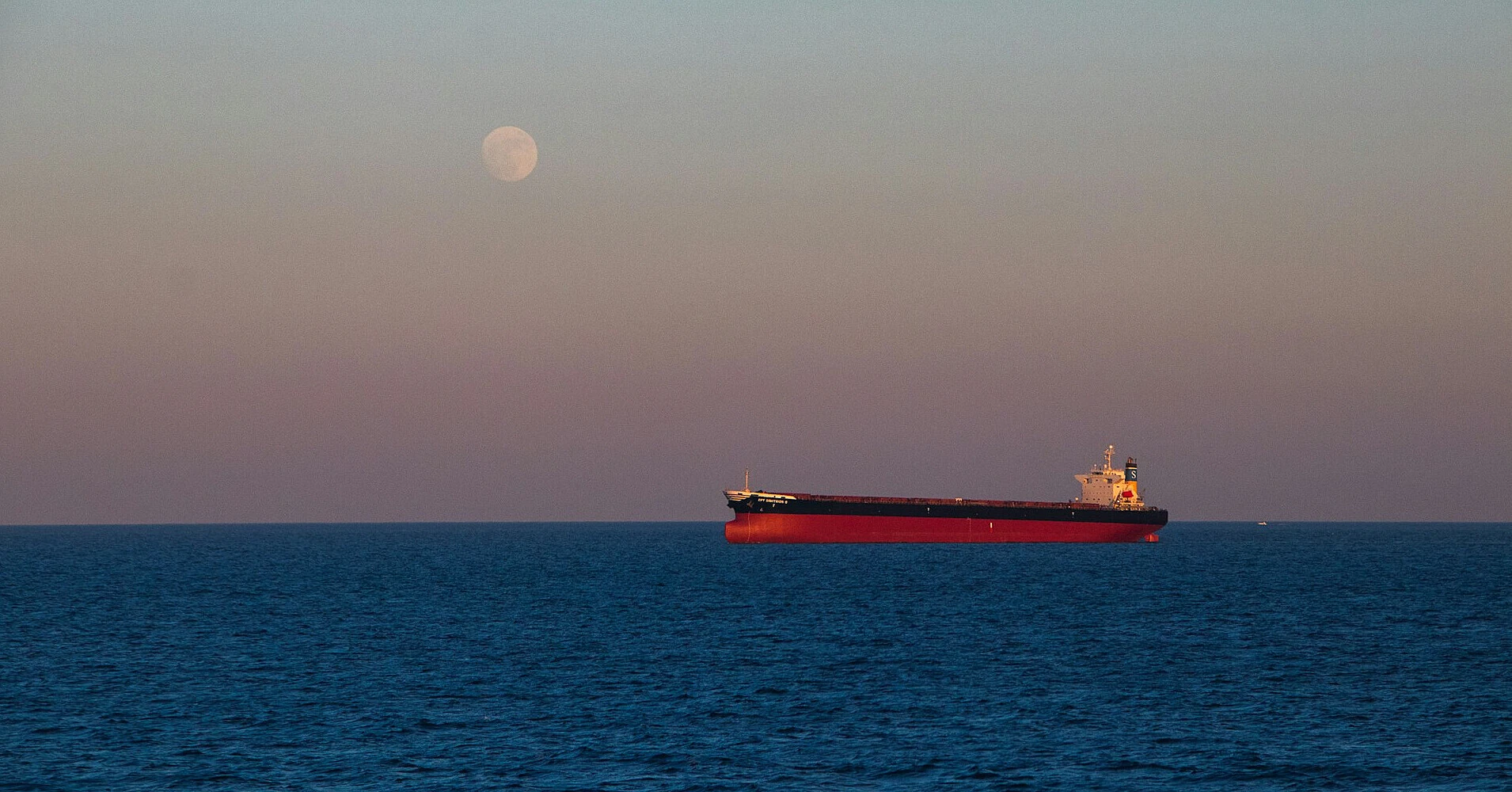
Exports of Russian crude oil from Black Sea ports in the first 20 days of August 2026 decreased 3.2 times compared to the same period in July - to approximately 1.7 million tons.
Such data was published by the Monitoring Group of the Institute of Black Sea Strategic Studies based on its own database of tankers transporting Russian oil and petroleum products. Kazakh oil exported through the Caspian Pipeline Consortium terminal is not included in the calculation.
For comparison, from July 1 to July 20, 40 crude oil tankers left Russian ports in the Black Sea with a total deadweight of about 5.5 million tons.
The group notes that their statistics also include vessels that turn off AIS transmitters or use other methods of concealing their route. This is how they explain discrepancies with lower estimates from some foreign sources.
Three tankers reached EU ports
The August figure includes the voyages of three tankers - Mareta, Minerva Aries and Minerva Clara - with a total deadweight of about 324.5 thousand tons. According to the monitoring group, the vessels called at Novorossiysk, after which they arrived at ports in Italy and Greece.
Two of these tankers are under sanctions by Ukraine. All three sail under the flag of Liberia and are connected to shipowners or managers from Greece.
The monitoring group believes that these voyages could have been carried out with Russian oil in violation of the European embargo. They draw this conclusion, in particular, because the vessels, unlike 27 other tankers during this period, did not indicate the CPC terminal as their destination. The group plans to approach the relevant ports and governments of EU countries with a request to verify the origin of the cargo.
Separately, the tanker Bourda was not included in the statistics. According to the group, at the end of July the vessel was damaged near Novorossiysk, did not load oil and subsequently headed to Turkey for repairs.
Based on materials from: Monitoring Group of the Institute of Black Sea Strategic Studies
