
Gulf Countries Increased Exports Through Hormuz and Keep a Lid on Oil Prices
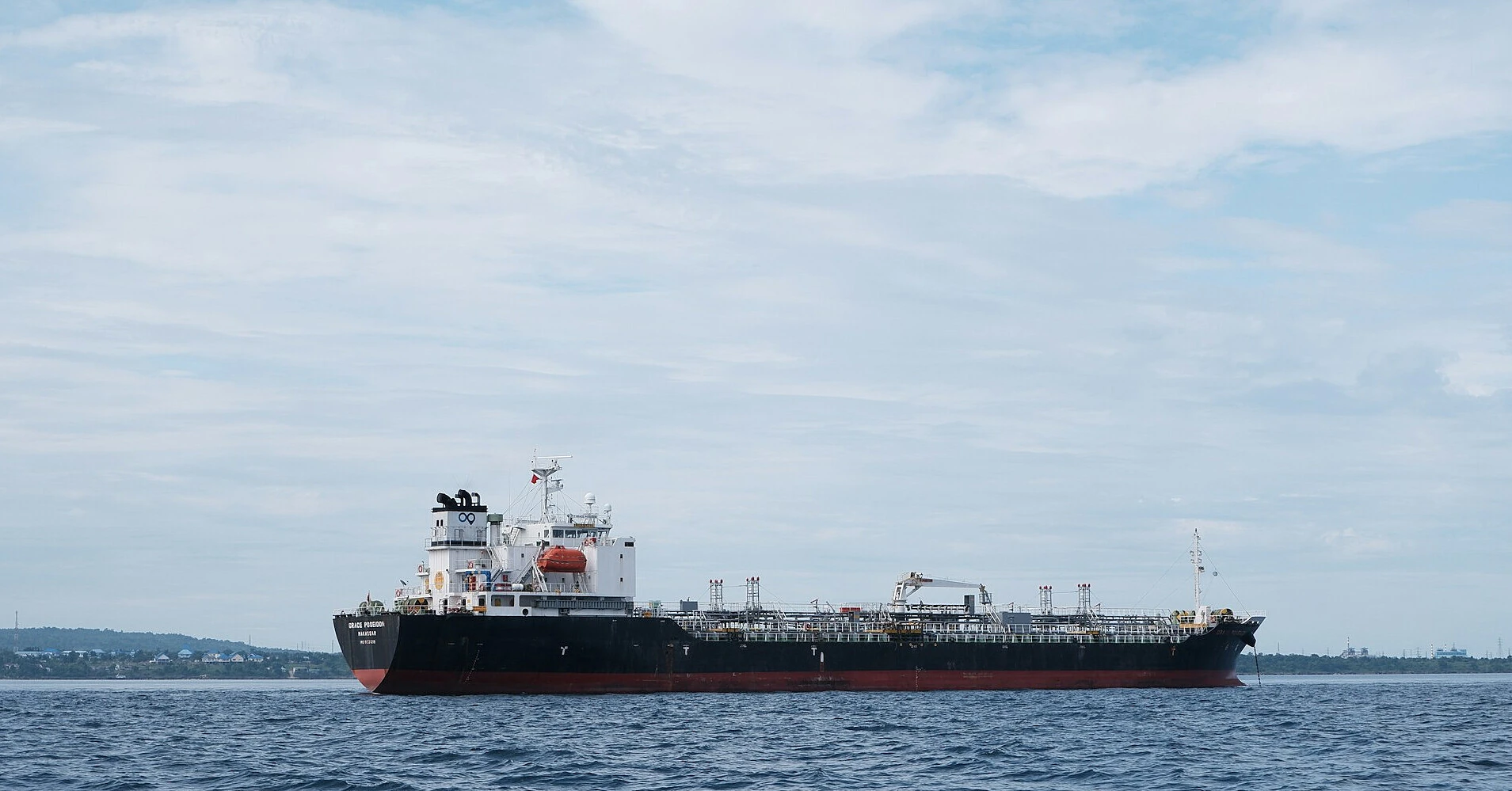
Kuwait and Qatar have increased oil shipments through the Strait of Hormuz to about 70% of the level before the conflict with Iran began. The total flow of oil from the Persian Gulf through the strait is now about 7-8 million barrels per day, up from about 4 million in mid-July, which helps keep global prices in check.
This is reported by Bloomberg, citing traders familiar with the situation.
Before the war began, Kuwait and Qatar together exported about 2 million barrels of oil per day. Now they have managed to restore about 70% of these volumes, despite the risk of attacks on tankers in the Strait of Hormuz.
According to estimates by the agency's interlocutors, in total about 7-8 million barrels of oil per day are now leaving through Hormuz—about three-quarters of the pre-war level. By comparison, in mid-July, the figure was about 4 million barrels.
The estimate of the analytics company Vortexa is even higher: the seven-day average flow through the strait at the beginning of this week approached 10 million barrels per day.
Oil is Reloaded Outside Hormuz
Gulf producers are increasingly using a so-called shuttle scheme. A tanker passes through the dangerous Strait of Hormuz, and then in the Gulf of Oman the oil is transferred to another vessel, which then carries out the main part of the journey to the buyer.
The need for such a scheme arose because many commercial shipowners are not willing to risk their tankers during passage through Hormuz. Producers have to use their own fleet or pay significantly higher rates to carriers who agree to enter the Persian Gulf.
The first large volumes under this scheme began to be exported by the United Arab Emirates. Later, Saudi Arabia joined them, becoming more dependent on the route through Hormuz after the resumption of Houthi attacks on tankers in the Red Sea.
Kuwait Uses Its Own Supertankers
Kuwait mainly relies on its own fleet. According to the Equasis shipping database, the country has 11 large crude oil supertankers.
Most of these vessels have not sent satellite signals about their location for more than two months. This may mean that crews have turned off transponders to make tracking routes more difficult in the dangerous region.
Risks remain high, though. In early August, one of the Kuwait Petroleum Corp. supertankers was hit while passing through the Strait of Hormuz. Kuwait reported the incident to international shipping bodies.
Despite this, the resumption of exports has allowed Kuwait not only to fulfill long-term contracts with buyers in East Asia, but also to offer additional oil cargoes on the spot market again.
Qatar Also Moves Transshipment Outside the Strait
Qatar mainly uses a commercial tanker fleet. This week, QatarEnergy offered buyers oil with a condition of ship-to-ship transfer already outside the Strait of Hormuz—in the Gulf of Oman.
French TotalEnergies earlier reported that it is one of the largest carriers of Qatari oil in the current conditions.
Thus, Gulf countries have gradually created a logistics system that allows them to maintain exports without a complete restoration of normal commercial shipping through the strait.
Rising Supplies Keep Oil Prices in Check
The restoration of flows has become one of the factors that eased fears of a global oil shortage. Benchmark Brent is currently trading near $87 per barrel, while at the end of April its price exceeded $120.
At the same time, the situation around Hormuz remains unstable. Washington and Tehran have not yet reached a political settlement, and control over shipping through the strategic strait remains one of the main subjects of confrontation.
The Strait of Hormuz is a key route for oil and gas exports from the Persian Gulf. Therefore, even a partial resumption of tanker traffic through it significantly affects traders' expectations regarding oil availability on the world market.
