
US says it has cleared shipping lanes in the Strait of Hormuz of mines
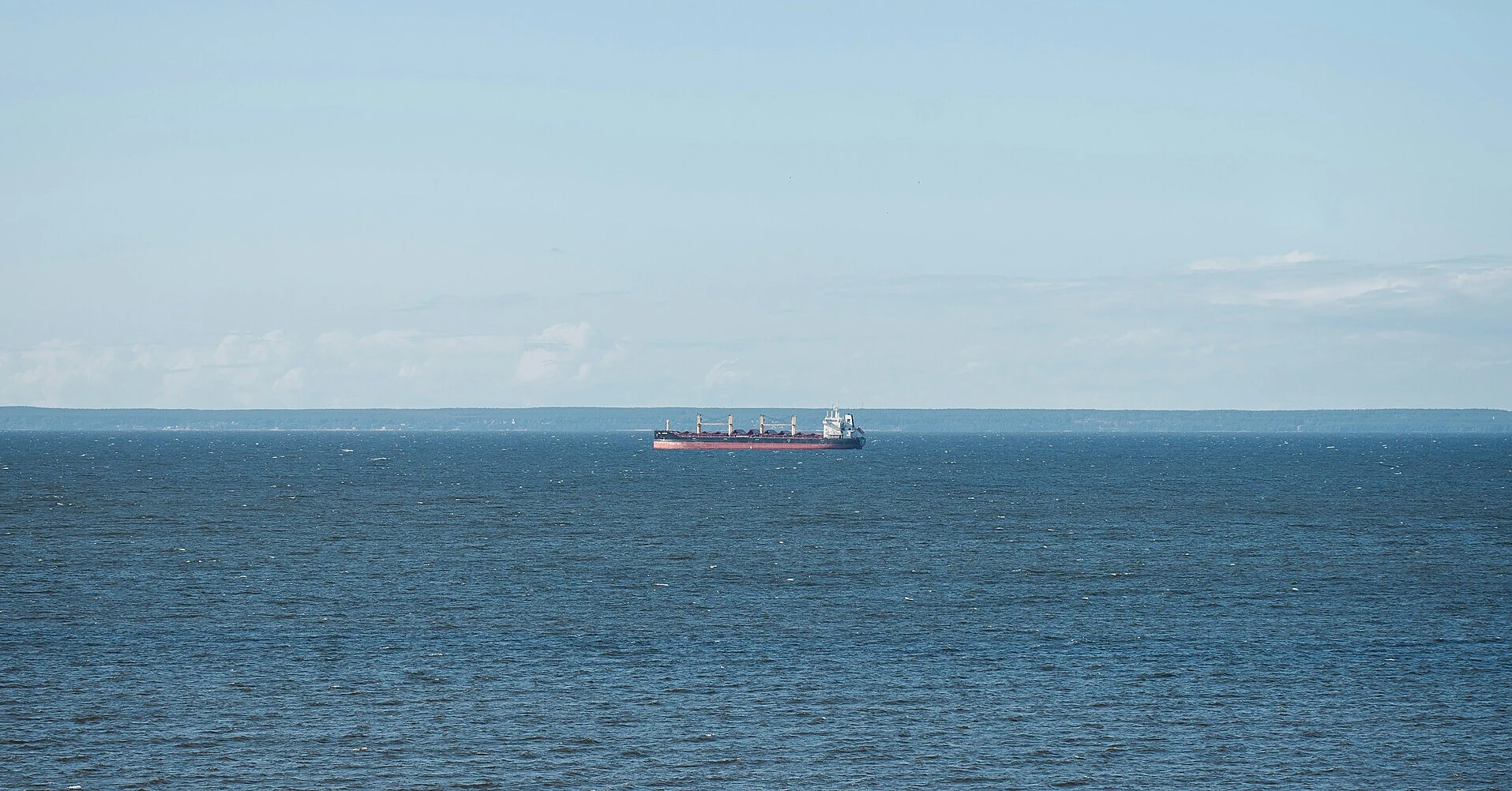
The US military says it has completed clearing internationally recognized shipping lanes in the Strait of Hormuz of sea mines which, according to Washington, were planted by Iran's Islamic Revolutionary Guard Corps several months ago. At the same time, traffic through the strait remains significantly below pre-war levels, and Iran insists it maintains control over the strategic waterway.
The commander of US Central Command, Adm. Brad Cooper, reported the completion of the operation.
According to him, US forces cleared the international transit corridors, through which the bulk of commercial shipping passes. Navy divers, special operations units, and aircraft from various branches of the US military took part in the demining.
Cooper called the completion of the operation "an important milestone" and said that international shipping lanes in the Strait of Hormuz are now open.
Shipping is recovering, but still far from pre-war levels
According to CENTCOM, over the past few months US forces have helped nearly 1,500 commercial vessels transit the strait. They carried about 750 million barrels of crude oil for the global market.
However, actual traffic through Hormuz remains significantly lower than before the war with Iran. According to Kpler data cited by The National, on Wednesday only 10 tankers with raw cargoes passed through the strait, while the average over the previous ten days was about 15 ships.
Before the conflict, the Strait of Hormuz transported more than 20 million barrels of oil per day. Current volumes remain only a fraction of previous levels.
Thus, the removal of mines does not automatically mean a return of shipping to normal. Shipowners and insurers continue to assess the risks of missile and drone attacks, as well as the possibility of re-mining.
US continues naval blockade of Iran
Simultaneously with the demining, Washington continues the naval blockade of Iranian ports, reinstated in mid-July.
According to Cooper, since then US forces have prevented 75 vessels from passing that attempted to violate the blockade regime. Another three ships were "disabled" after failing to comply with US military demands.
The CENTCOM commander also claims that since the blockade was reinstated, Iran has not exported a single barrel of oil by sea from its ports. This figure is difficult to independently verify, but the restriction on Iranian exports remains one of the key factors for the global oil market.
According to EFE, more than 20 US warships, hundreds of aircraft and about 50,000 troops are involved in operations in the Strait of Hormuz area.
Iran says it continues to control the strait
Tehran meanwhile does not accept the US interpretation of the situation. Iranian authorities and the IRGC continue to claim that the country maintains control over the Strait of Hormuz and can influence the conditions for vessel transit.
This means that Washington's statements about open international routes and Tehran's position on control of the strait effectively coexist. Even after the main corridors have been cleared, risks of drone attacks, missile strikes, or re-mining remain.
Earlier, Cooper himself acknowledged that Iran retains some capabilities to threaten shipping, although Tehran's ability to completely block commercial traffic through Hormuz was, according to CENTCOM's assessment, significantly degraded.
Why Hormuz is critical for the oil market
The Strait of Hormuz connects the Persian Gulf with the Gulf of Oman and the Arabian Sea and remains one of the most important energy routes in the world.
It carries a significant portion of exports from Saudi Arabia, Iraq, Kuwait, Qatar and other Persian Gulf countries. That is why any restriction on movement in the strait quickly affects oil prices, tanker freight rates and ship insurance.
Despite the announced demining, the market does not yet perceive the situation as fully normalized. As of Aug. 28, Brent remains near $89 per barrel, and traders continue to price in risks related to Hormuz and the further development of the conflict between the US and Iran.
Based on: CENTCOM, The National, EFE
