
Fed gave markets a new signal about a possible rate hike
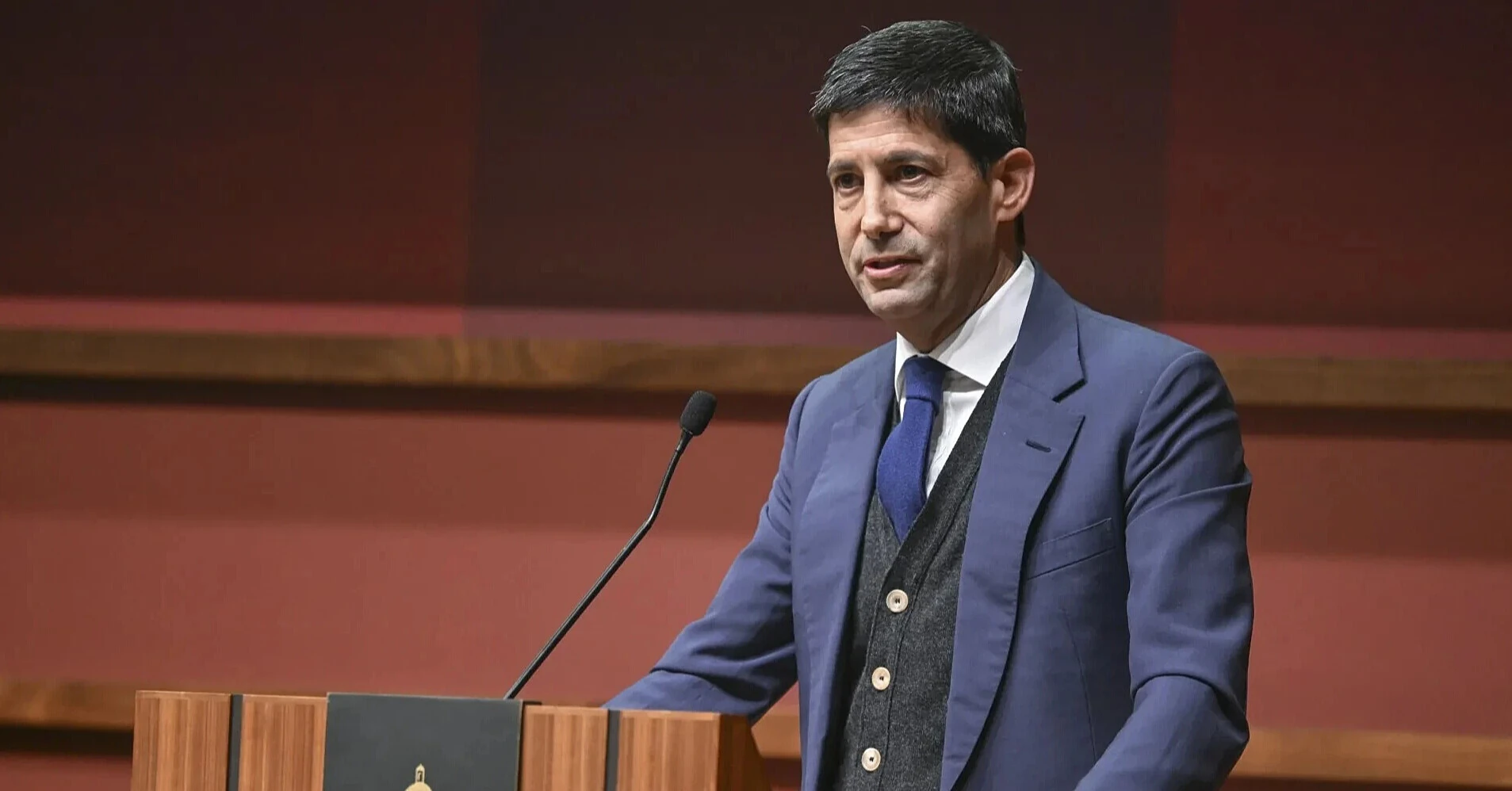
US Federal Reserve Chairman Kevin Warsh gave the clearest signal since taking office that the central bank may need to raise interest rates if inflation does not begin moving toward the target level quickly enough.
Warsh said this on August 28 during his first key speech as Fed chair at the annual economic symposium in Jackson Hole, Wyoming.
The head of the US central bank acknowledged that recent data showed some easing of price pressures. However, in his assessment, this is not enough to speak of a sustained change in the inflation trend.
“We must be confident that core inflation is moving toward our target — clearly and at a sufficient pace. Otherwise, we still have work to do”, Warsh said.
Inflation remains significantly above the Fed's target
According to the Federal Reserve's preferred measure, US inflation in July was 3.7% year-on-year. This is slightly below previous peaks, but still noticeably exceeds the Fed's 2% target.
Warsh noted that summer PCE and consumer price inflation readings came in better than expected, but they do not yet indicate a substantial improvement in underlying dynamics.
A more hawkish signal for the market was the Fed chair's statement on the state of the economy. Warsh pointed to resilient consumer spending and significant business investment, particularly in equipment and infrastructure for artificial intelligence. In his assessment, this raises questions about how much current interest rates are restraining economic activity.
If monetary policy is not sufficiently restricting demand, the Fed may need additional tightening to return inflation to 2%. However, Warsh did not say directly that the rate would be raised at the next meeting.
Next rate decision will be made in September
The Federal Open Market Committee meeting will be held on September 15–16. Most analysts still expect the Fed to keep the rate unchanged. At the same time, market participants are pricing in the possibility of at least one rate hike by the end of 2026.
Warsh again declined to give markets traditional direct guidance on the Fed's next moves. After taking over as head of the central bank in May, he began moving away from the practice of so-called forward guidance — advance signals about the future path of monetary policy.
In Warsh's view, investors should to a greater extent independently assess the state of the economy and incoming data, and the Fed should not commit itself in advance to promises to raise, lower or hold the rate.
Bond market reacted to the speech
The most notable reaction was in the US government bond market. Two-year Treasury yields rose after the speech to around 4.29%. Longer-term yields fluctuated as investors simultaneously assessed the hawkish inflation signal and Warsh's remarks on economic growth prospects.
The US stock market reacted much more calmly: after initial fluctuations, major indexes remained near previous closing levels.
Warsh's speech is particularly significant against the backdrop of rising US borrowing costs. The 30-year Treasury yield recently reached its highest level in about 19 years, and high inflation, a large budget deficit and rising government debt add pressure to the market.
Thus, the Jackson Hole speech was not a direct promise of a coming rate hike, but it showed that Fed leadership does not consider the fight against inflation complete and allows for further policy tightening if price growth does not slow down quickly enough.
Based on materials from: US Federal Reserve, Associated Press, MarketWatch
