U.S. begins cutting off Banque Misr UAE from dollar system over Iran ties
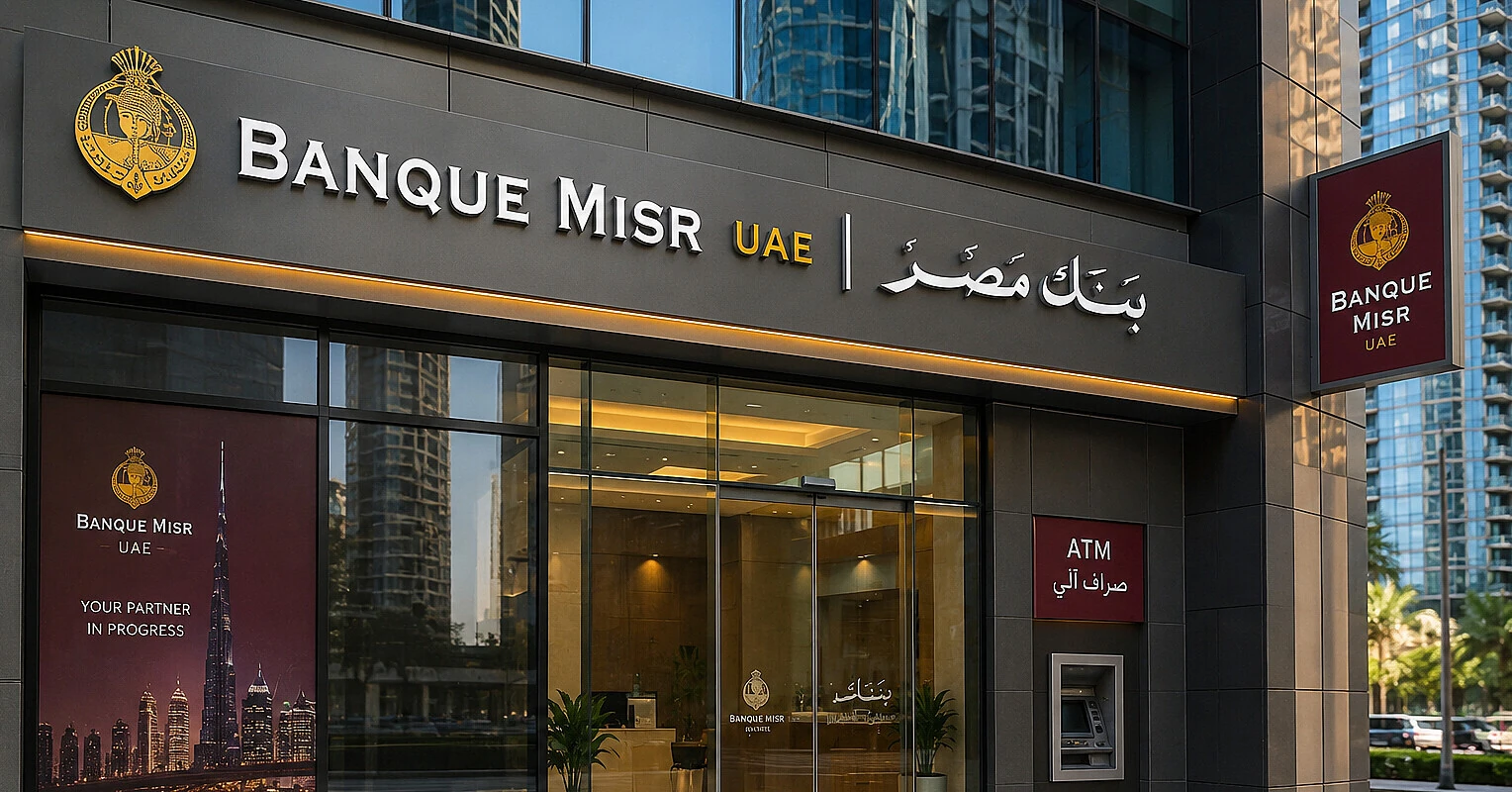
The U.S. Department of the Treasury has begun a process that could effectively deprive Banque Misr UAE of access to correspondent accounts in American banks and significantly complicate dollar transactions. Washington claims that the UAE subsidiary of Egypt's Banque Misr has become one of Iran's key financial channels.
This was reported on August 28 by the Financial Crimes Enforcement Network (FinCEN) of the U.S. Treasury.
It is important that this is not yet a full ban that has entered into force, but a proposed rule. FinCEN has identified Banque Misr UAE as a foreign financial institution of "primary money laundering concern" and has proposed measures under Section 311 of the USA PATRIOT Act.
Up to $1.8 billion could have passed through the bank
According to estimates by the U.S. Treasury, from January 2024 to June 2026 Banque Misr UAE processed transactions of approximately $1.8 billion on behalf of 103 companies potentially linked to Iran's shadow banking infrastructure.
American authorities claim that the bank's clients included intermediary companies used by Iran's Ministry of Defense and the Islamic Revolutionary Guard Corps to circumvent sanctions and move funds.
The U.S. Treasury also links some of these operations to financial structures that, according to it, were engaged in money laundering on behalf of Iran's top leadership.
Tehran, under extensive American sanctions, actively uses front companies, exchange houses, and accounts in third countries to receive foreign currency earnings and access the dollar banking infrastructure.
What the U.S. wants to ban
If the rule proposed by FinCEN comes into force, American financial institutions will be prohibited from opening or maintaining correspondent accounts for Banque Misr UAE.
In addition, U.S. banks will be required to take measures to ensure that transactions involving Banque Misr UAE do not pass through correspondent accounts of foreign financial institutions.
This will significantly limit the bank's ability to conduct dollar-denominated international settlements, since a significant portion of such transactions passes through the U.S. financial system.
At the same time, the U.S. Treasury specifically emphasized that the measure applies exclusively to Banque Misr UAE — the subsidiary in the United Arab Emirates. It does not automatically extend to Banque Misr's operations in Egypt or other countries.
The decision still must go through an approval process
FinCEN published the draft rule and opened a public comment period. Comments will be accepted for 30 days after official publication of the document in the Federal Register.
After this procedure, U.S. authorities will be able to make a final decision on banning correspondent services for the bank.
Thus, Washington has already begun the legal procedure to cut off Banque Misr UAE from the American banking infrastructure, but the restriction itself has not yet come into final force.
U.S. increases financial pressure on Iran
The measure became part of Operation Economic Outcast, announced by U.S. Treasury Secretary Scott Bessent on August 24. Its goal is to cut off Iran's remaining international financial channels and increase risks for foreign banks and companies that continue to serve entities linked to Tehran.
Simultaneously, on August 28, the U.S. Treasury's Office of Foreign Assets Control imposed sanctions on the head of the Dubai branch of Iran's Bank Melli, Reza Mohammad Taidi.
Sanctions also hit Hong Kong-registered Kameng Trading Limited. According to Washington, the company helped an already sanctioned Iranian exchange house launder funds and maintain access to the international financial system.
The U.S. Treasury warned that financial institutions in other countries that continue to work with Banque Misr UAE or other Iranian intermediaries may face an increased risk of secondary sanctions.
Based on materials from: U.S. Department of the Treasury, FinCEN