Zloty ends August under pressure: market revises rate expectations
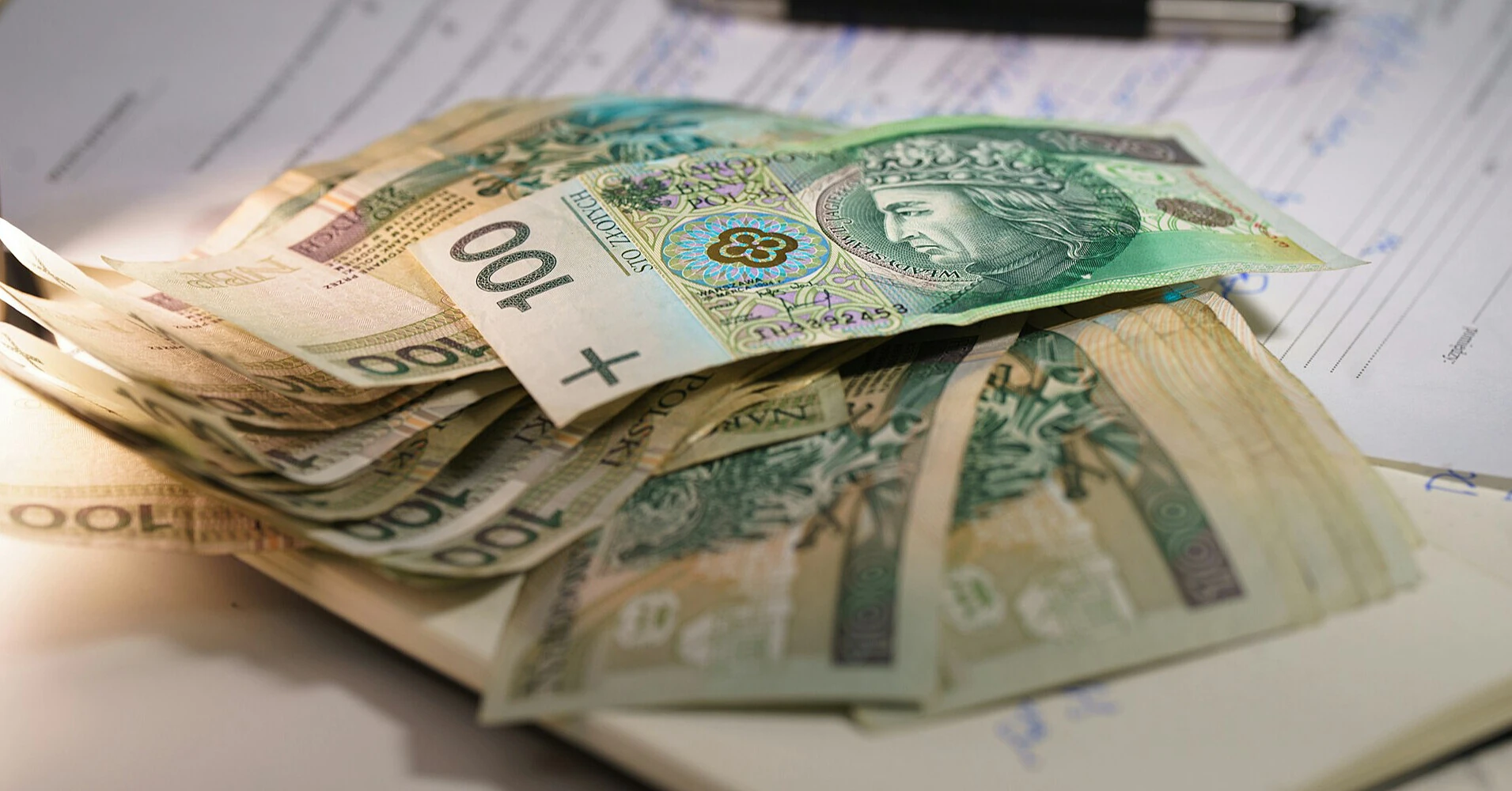
The Polish zloty is ending August with a noticeable weakening against the major world currencies. On the morning of August 31, the euro was trading around 4.34 zloty, and the dollar approached 3.75 zloty. A few days earlier, the European currency was below 4.30 zloty.
According to the Polish market, around 8:40 on Monday the EUR/PLN pair was at 4.3418, and USD/PLN at 3.7457. For comparison, the official average exchange rate of the National Bank of Poland on August 28 was 4.3328 zloty per euro and 3.7209 zloty per dollar.
The change against the euro is particularly noticeable: on August 26, the European Central Bank's reference rate was 4.2955 zloty per euro. Thus, in less than a week, the European currency rose against the PLN by more than 1%.
Why the zloty came under pressure
The main change in the external environment occurred after the speech by the chairman of the US Federal Reserve, Kevin Warsh, at the Jackson Hole symposium on August 28.
Warsh indicated that the Fed is ready to raise interest rates again if inflation does not sustainably return to the 2% target. After his speech, yields on short-term US government bonds jumped sharply, and the dollar strengthened.
The market also significantly revised expectations regarding the September Fed meeting. The probability of a rate hike rose to about 60%, even though before Warsh's speech most investors were counting on keeping the cost of money unchanged.
For the zloty, this is an unfavorable signal. The higher the yield on dollar assets, the less attractive the advantage of Polish interest rates becomes. If the Fed does indeed hike and the National Bank of Poland keeps its rate unchanged, this factor may continue to work in favor of the dollar.
Additional pressure comes from a new jump in oil prices. After the renewed exchange of strikes between the US and Iran, Brent rose again above $90 per barrel. For Poland as a major importer of energy resources, rising commodity prices mean additional inflationary and trade risks.
What is happening with rates in Poland
The National Bank of Poland left its key rate unchanged at 3.75% in July. The last cut of 0.25 percentage point took place in March.
According to ING economists, the base-case scenario remains keeping Polish rates at current levels until the end of 2026. The NBP has to balance between relatively moderate inflation and the risk of its re-acceleration due to high energy prices.
The latest published data show that consumer inflation in Poland in July was 3.0% year-on-year. Prices of goods rose by 2%, and services became more expensive by 5.5%.
On August 31, the Central Statistical Office of Poland is to publish a preliminary estimate of inflation for August. These data will become one of the key benchmarks for further expectations regarding the decisions of the Polish central bank.
Poland's economy remains strong
Fundamental support for the zloty continues to come from the condition of the Polish economy. According to the latest preliminary estimate of GUS, Poland's GDP in the second quarter of 2026 increased by 3.8% compared to the same period last year.
In the first quarter, growth was 3.5%. In seasonally adjusted terms, the economy grew by 0.9% quarter-on-quarter in the second quarter and by 3.7% year-on-year.
Such rates are noticeably higher than the EU average and remain one of the main arguments in favor of the Polish currency's resilience. Economic activity is supported by domestic consumption, investment, and significant inflows from European funds.
However, a strong economy alone does not now guarantee PLN appreciation: short-term dynamics of the currency market increasingly depend on Fed decisions, energy prices, and global investor risk sentiment.
Budget became another risk factor
An internal constraint on zloty appreciation remains the state of public finances. On August 28, the Polish government presented the 2027 budget draft, which envisages keeping the general government deficit high.
According to the authorities' current estimate, the general government deficit in 2026 will be about 7.1% of GDP and will remain roughly at the same level in 2027. This is higher than previous forecasts for the current year.
The state budget deficit for 2027 is directly planned at 282.6 billion zloty against the limit set for 2026 of 271.7 billion zloty.
High spending is largely related to defense, healthcare, and infrastructure investment. They support economic activity but at the same time increase the state's borrowing needs and may raise yields on Polish bonds.
What will happen to the zloty exchange rate next
At the end of August, the situation for the Polish currency looks less favorable than a week ago. Strong economic growth remains a major support, but several factors weigh against it: tighter Fed rate expectations, expensive oil, a high budget deficit, and persistent geopolitical uncertainty.
For the EUR/PLN pair, the nearest important zone is again the level around 4.35. A firm hold above it would mean further weakening of the zloty. A return closer to 4.30 would require an improvement in the external environment - primarily a weakening dollar and stabilization of oil prices.
For USD/PLN, the key factor in the coming weeks will be US statistics. Strong labor market and inflation data could raise the probability of a September Fed rate hike and further support the dollar. Weaker statistics, on the contrary, could return some lost ground to the Polish currency.
Therefore, the prospects for the zloty are better assessed as neutral with an increased risk of short-term weakening. Fundamentals of the Polish economy remain strong, but external factors dominate the currency market at the end of August.
Based on materials from: Bankier.pl, GUS, ING