
Oblenergos will receive new incentives for investments in networks from 2027: National Commission changed rules
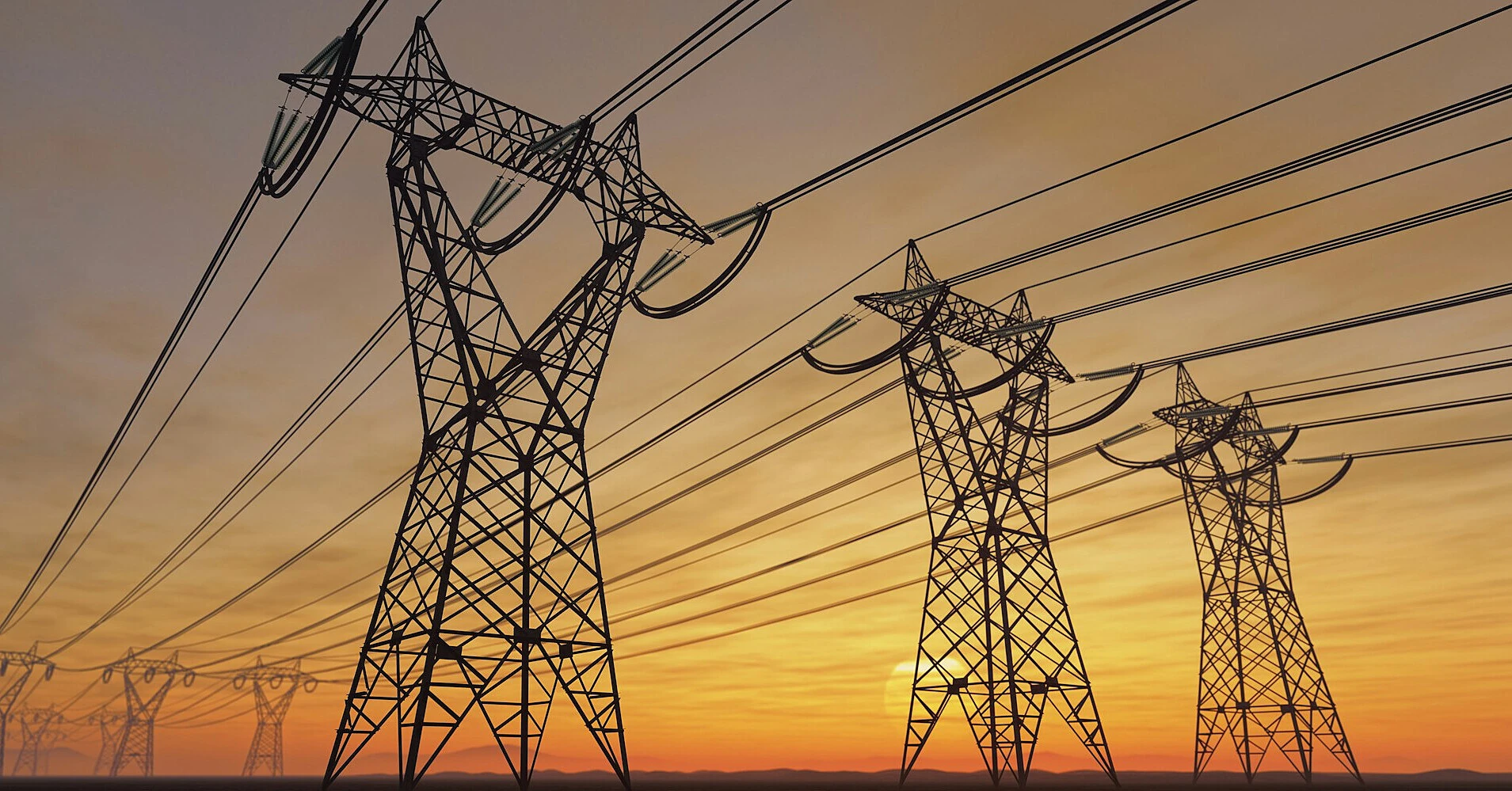
From 2027, the rules of incentive-based tariff setting for electricity distribution system operators, i.e., oblenergos, will change. NEURC wants to make investments in new electricity networks more profitable, but at the same time require companies to return more funds into modernization and meet stricter requirements for service quality.
The relevant changes were approved by the National Commission for State Regulation of Energy and Public Utilities on August 31. The new conditions will apply within the second regulatory period of RAB regulation, which starts in 2027.
What is RAB regulation in simple terms
The usual tariff approach essentially means that the regulator determines justified company costs and includes them in the tariff. The RAB model works somewhat differently: oblenergos are allowed to receive a regulator-set income on the value of electricity networks and other equipment they operate.
The simple principle is this: if a company builds a new substation, lays a cable, replaces transformers or invests in other network equipment, these assets increase its regulatory base. On this base, the company can receive the regulator-defined income.
Thus, the state is trying to create an economic motivation not just to maintain old networks in working condition, but to invest money in new equipment and reconstruction.
For new networks, a higher income will be allowed
NEURC established different rates of return for old and new assets. For the so-called old regulatory base – that is, equipment that existed at the time of the company’s transition to incentive regulation – it will be 3%.
For the new regulatory base formed from further investments, the long-term regulatory rate of return is set at 16.74%.
The difference was made intentionally: companies have a much stronger financial incentive to build and modernize networks than simply to receive income from the existing infrastructure.
Meanwhile, the transition will be gradual. In the documents that NEURC published during the preparation of the decision, for 2027 a transitional level of return on the new asset base was envisaged – 3% for most operators, while 16.74% is a long-term parameter of the second regulatory period.
Part of the profit cannot simply be taken
A higher allowed profitability does not mean that oblenergos can direct all these funds to owners in the form of profit.
NEURC simultaneously strengthens reinvestment requirements. Operators will have to direct a larger share of the income from the regulatory base back into the networks. Mandatory reinvestment is provided not only for old but also for newly created assets.
In fact, the model looks like this: the state allows the company to earn on investments, but part of the received funds must again go to substations, lines, transformers, automation, and other network infrastructure.
For Ukraine, this is especially relevant because of large-scale damage to the energy system as a result of Russian attacks. The regulator directly names modernization and reconstruction of electricity networks among the goals of the new rules.
For incomes, better service will be demanded
Another part of the new rules concerns the quality of work of oblenergos. Receiving regulatory income should be linked not only to the amount of invested money but also to the result for the consumer.
In particular, NEURC introduces indicators regarding the reliability of information about power outages, compliance with deadlines for standard connection to networks, and quality of commercial electricity metering.
That is, for the consumer, the idea of the reform should look like this: less outdated equipment and losses in networks, faster connection of new facilities, more accurate information about outages, and a gradual increase in power supply reliability.
Does this mean an increase in tariffs?
The NEURC decision itself does not establish a new electricity tariff for households from 2027 and does not mean automatic rise in electricity prices from January 1.
RAB regulation is used to form tariffs specifically for electricity distribution services – that is, for delivery of current through local networks. The specific tariffs for each distribution system operator are set by NEURC through separate decisions.
The new rules may affect the future calculation of this component, because the allowed profit on the regulatory asset base is included in the required revenue of operators. However, today's decision defines the methodology and system parameters, not a specific new electricity price for the final consumer.
Based on: NKREKP
