
Drapatyi presented a plan of changes in the Armed Forces: predictable service, less bureaucracy and more authority to commanders
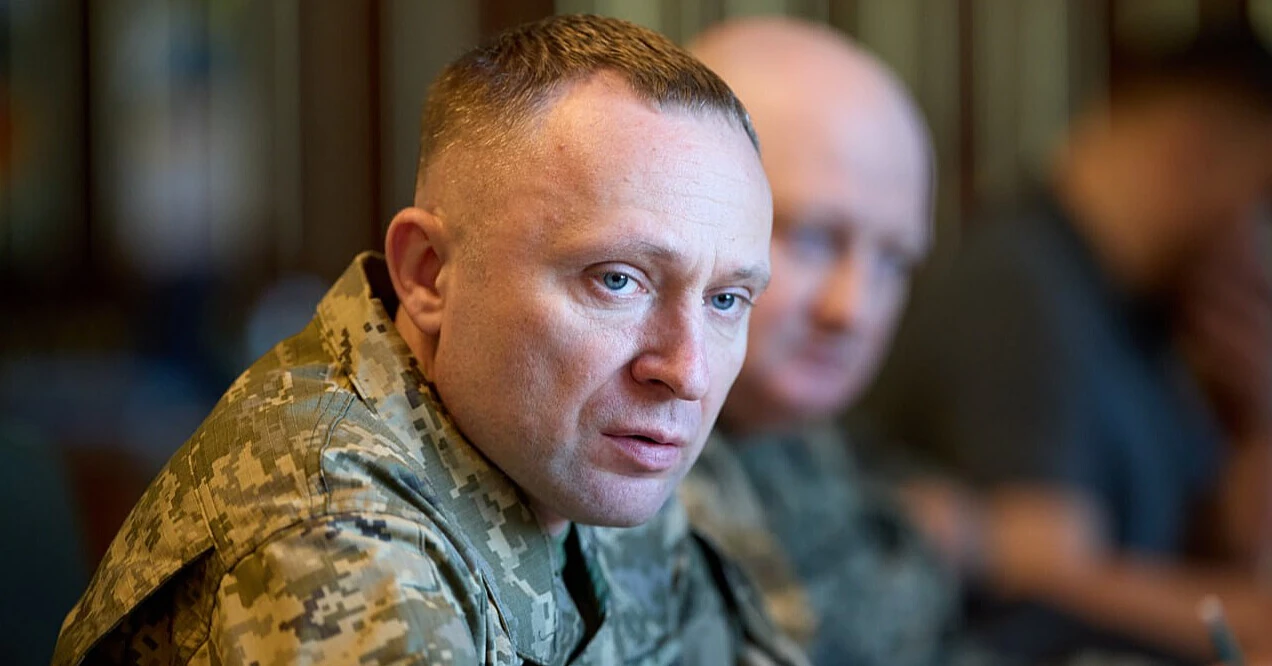
Commander-in-Chief of the Armed Forces of Ukraine, Major General Mykhailo Drapatyi, presented his vision of military development during wartime. Among the key directions are changes to the recruitment, rotation, and discharge system for service members, reduction of staff bureaucracy, delegation of more decisions to commanders on the ground, preservation of personnel, and faster implementation of new technologies.
The relevant provisions are set out in the document 'Leadership Principles of the Commander-in-Chief of the Armed Forces of Ukraine and Military Development in Wartime', published by the Armed Forces.
The document defines eight priorities for military development, 14 requirements for commanders at all levels, and eight expectations from staffs.
At the same time, this is not yet a detailed reform plan. The Armed Forces emphasize that the document does not replace existing strategic and operational plans, and specific tasks, implementation mechanisms, and performance indicators must be defined separately.
Planning to change the service system
One of Drapatyi's main priorities is creating a balanced system for the formation and management of the Armed Forces' human capital.
This refers to changes to the entire system of recruiting people into the military, their training, service, rotation, retention, and discharge. It must simultaneously ensure the necessary strength and combat capability of the army while taking into account the needs of service members and society.
According to the commander-in-chief's concept, military service should become 'predictable, fair, and professional', and personnel decisions should be based on the needs of the military, competencies, and service results.
At the same time, the document does not specify concrete service terms, new rotation frequency, or demobilization conditions. Such decisions, if adopted, will require separate regulatory formalization.
Commanders to be given more autonomy
Drapatyi also announced his intention to apply more broadly the Mission Command principle – management through the commander's definition of intent and expected outcome, with subordinates given freedom in choosing how to accomplish the task.
The commander-in-chief notes that he should not direct every individual battle or operation. Authority is planned to be delegated where appropriate, and decisions should be made at the lowest level that sufficiently understands the situation.
Commanders will be required to act independently within the overall intent, make timely decisions, and take responsibility for them.
Staffs ordered to reduce bureaucracy
A separate large block of the document is devoted to staff work. According to Drapatyi's concept, their main task should be to help commanders and units at the front, not to create additional burden.
In particular, it proposes reducing unnecessary reports, briefings, meetings, and duplication of processes. Staffs should accelerate decision-making and delegate authority to lower levels instead of excessive centralization.
Drapatyi formulated the ultimate standard as making staffs smaller where possible, faster where necessary, and more useful for the troops.
Preservation of people will become one of the commanders' performance criteria
The commander-in-chief calls people the most valuable combat capability of the Armed Forces. Commanders will be required not only to accomplish tasks but also to preserve personnel, weapons, and equipment.
Specific emphasis is placed on protecting service members from unjustified risk, proper preparation for combat operations, support for the wounded, military families, and veterans. The document states that every unjustified loss weakens the Armed Forces.
Priorities include stabilization of the front and technology
The first of eight priorities defined by Drapatyi is stabilization of the front. The Armed Forces must preserve existing combat capabilities, integrate new ones, seize the initiative where possible, and prevent Russian troops from achieving operational goals.
Other directions include ensuring unity of actions among different components of the Defense Forces, accelerating adaptation and implementation of innovations, transforming the Armed Forces, developing unmanned and digital capabilities, logistics, military education, and training systems.
Drapatyi also demands faster analysis of combat experience and implementation of lessons learned into military doctrine, training, procurement, and troop employment. New ideas, according to his concept, should be able to come from service members regardless of rank or position.
Corruption and concealment of problems have 'no place'
Separate requirements concern command culture. Commanders must provide honest assessments of the situation, not conceal problems, and not allow personal ambitions to affect the real picture.
The document also explicitly states that there should be no place for corruption, abuse of power, harassment, discrimination, or injustice in the Armed Forces. Commanders are expected to use state resources responsibly and maintain the trust of Ukrainian society and international partners.
Drapatyi emphasized that the transformation of the army is not planned to be postponed until the end of the war: the Armed Forces must simultaneously conduct combat operations and rebuild the system of management, training, personnel management, and application of new technologies.
Based on materials from: Armed Forces of Ukraine
