
Saudi Arabia's oil exports drop to nine-year low
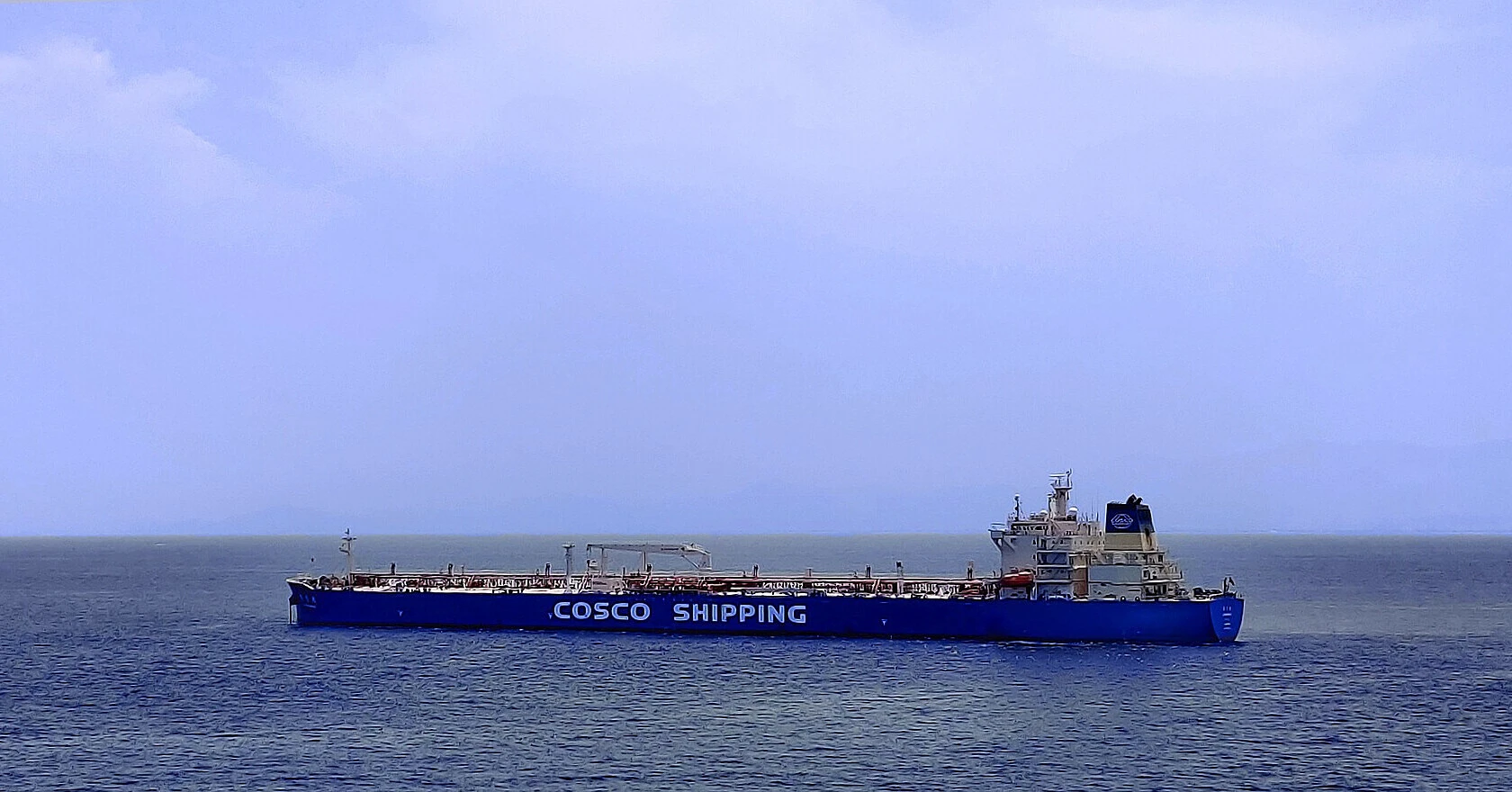
Saudi Arabia's crude oil exports fell sharply in August, dropping to their lowest level in at least nine years. Supplies are being simultaneously pressured by shipping problems through the Strait of Hormuz and growing risks on routes through the Red Sea.
According to tanker tracking data cited by Bloomberg, the observed exports of the world's largest oil exporter in August amounted to about 3.2 million barrels per day. This is roughly half of Saudi Arabia's usual export volumes before the current Middle East crisis.
Even in the first 23 days of August, shipments from Saudi terminals in the Persian Gulf and Red Sea averaged about 3.23 million barrels per day. By comparison, the previous low for this year was recorded in May at about 3.65 million barrels per day.
Saudi oil caught between two dangerous routes
Riyadh's main problem concerns oil transportation. Before the war, a significant portion of Saudi supplies went through the Strait of Hormuz. Due to restrictions and threats to shipping, Saudi Aramco began to make greater use of the East-West pipeline, which allows crude to be pumped from the east of the country to the port of Yanbu on the Red Sea.
The pipeline's throughput capacity is about 7 million barrels per day. After reduced tanker traffic through Hormuz, it became a key alternative route for Saudi oil.
However, in the summer the situation also became complicated in the Red Sea. Yemeni Houthis announced their intention to block vessels linked to Saudi Arabia and increased threats near the Bab el-Mandeb Strait. As a result, shippers had to change routes, and some tankers began switching off their Automatic Identification Systems (AIS).
Estimated Saudi oil shipments through Bab el-Mandeb, which exceeded 3 million barrels per day in the spring, had virtually stopped by August. Some cargoes are now sent north via the Suez Canal and Egypt's SUMED pipeline, while other tankers are rounding Africa.
Oil deliveries to Asia become longer and more expensive
Rerouting vessels allows Saudi Arabia to maintain part of its exports, but it has not yet been possible to fully compensate for the usual routes. Saudi Aramco CEO Amin Nasser earlier said that delivering oil to Asia via the Suez Canal or around Africa can increase voyage duration by about 20–25 days.
Meanwhile, insurance and freight costs are rising. Tanker owners factor in the risk of attacks on several key maritime routes at once, and some vessels pass through dangerous sections with transponders switched off.
Because of this, export data has become less accurate. Actual supplies may differ from observed volumes, as monitoring systems do not capture some so-called dark voyages. Therefore, the current low mainly pertains to tracked seaborne exports.
Situation supports high oil prices
Saudi Arabia's problems are adding tension to the global oil market. Although shipments through Hormuz are gradually recovering, they are still well below pre-war levels. At the same time, the Red Sea, which has become the main bypass route for Saudi oil, remains a high-risk zone.
According to the U.S. Energy Information Administration, restrictions in the Strait of Hormuz forced Saudi Arabia to redirect oil via the East-West Pipeline to Yanbu. The U.S. agency expects that normalization of production and trade flows in the region could drag on until early 2027.
For the oil market, this means maintaining an additional geopolitical premium in prices: even with sufficient crude inventories, it is becoming harder and more expensive for producers to deliver oil to buyers.
Based on: Bloomberg, EIA, The National
