
Moscow airports restricted operations for the second night in row after Zelensky's warning
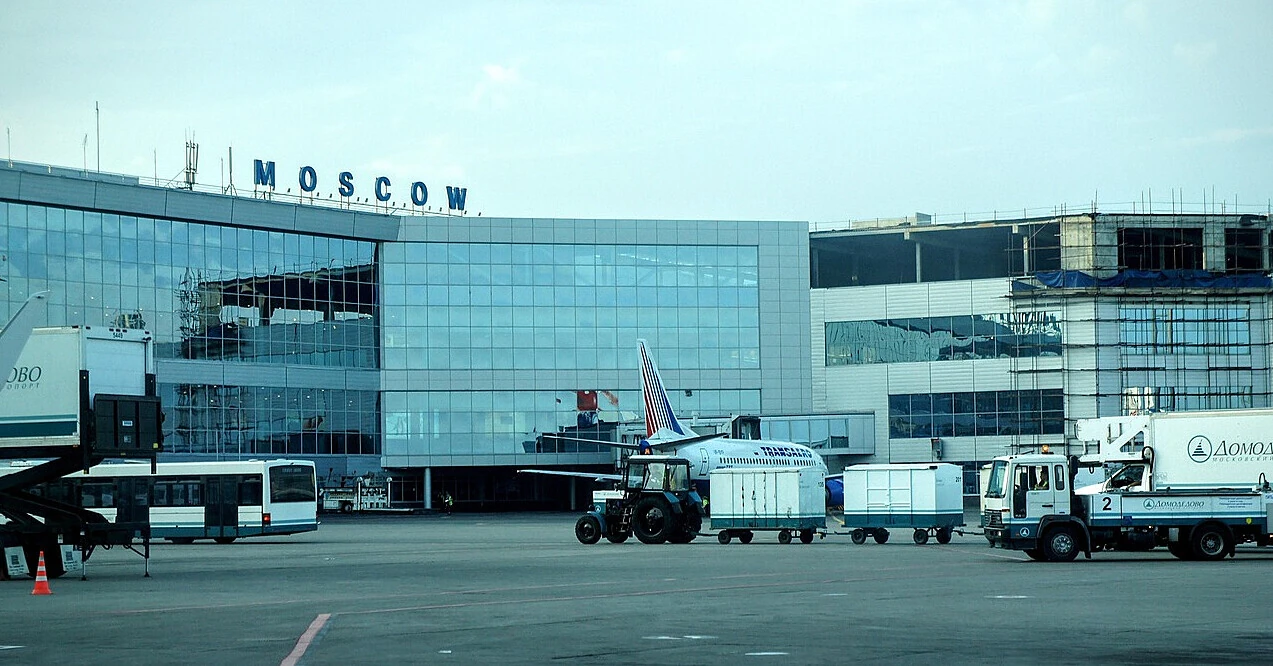
Moscow airports 'Vnukovo' and 'Sheremetyevo' temporarily suspended receiving and dispatching aircraft for the second night in a row. New restrictions were introduced amid Ukraine's warning about growing risks for civil aviation in Russian airspace and Kyiv's official appeal to the International Civil Aviation Organization (ICAO).
On the evening of September 2, Russia's Rosaviatsia announced temporary restrictions on receiving and dispatching aircraft at Vnukovo and Sheremetyevo, explaining them by the need to ensure flight safety. About half an hour later, the agency reported their cancellation.
This was the second consecutive period of large-scale disruptions in the Moscow aviation hub. The previous day, operations were temporarily restricted at three airports in the Russian capital. According to Flightradar24 data cited by The Moscow Times, 21 flights were canceled and 235 delayed at Sheremetyevo, while at Vnukovo 22 were canceled and 94 delayed.
On the morning of September 2, Rosaviatsia also imposed separate restrictions at Sheremetyevo, while Vnukovo and Domodedovo resumed operations after an overnight stoppage. Russian authorities did not directly link each of these decisions to specific attacks. At the same time, the Russian Defense Ministry that morning claimed a massive drone attack, including in the Moscow region.
On September 1, Ukrainian President Volodymyr Zelensky warned airlines, insurers, and foreign governments that Russian airspace is becoming increasingly dangerous due to hostilities. He emphasized that Ukraine does not attack civilian aircraft, but the scale of drone usage over Russian territory must be taken into account when planning civilian flights.
The next day, Foreign Minister Andrii Sybiha reported that Ukraine had officially informed ICAO about the danger of flights in Russian airspace. Separately, Minister of Communities and Territorial Development Mykola Kalashnyk appealed to the organization's leadership to promote a complete ban on civilian flights in Russian skies by ICAO member states.
ICAO has not announced support for the full ban proposed by Kyiv. Instead, the organization called on all states to strengthen protection of civilian aircraft from risks associated with conflict zones. It named threats including long-range weapons systems, drones, satellite navigation interference, and modern air defense systems. ICAO noted a growing risk of civilian aircraft being hit or caught in crossfire. The organization itself cannot impose a ban for its 193 member states, but its standards and decisions influence the policies of national aviation regulators.
Most European and American airlines stopped using Russian airspace after the start of Russia's full-scale invasion in 2022. Meanwhile, routes through Russia continue to be used by carriers from China, Turkey, the UAE, and other Gulf countries.
Rosaviatsia responded by issuing its own NOTAM and claimed that Ukrainian messages regarding Russian airspace supposedly have no legal force. The agency also reported additional security measures and stated that Russian airports continue to serve flights, including foreign airlines.
Based on materials from: The Moscow Times, Reuters, Financial Times
