
US court refuses to split Google's advertising business
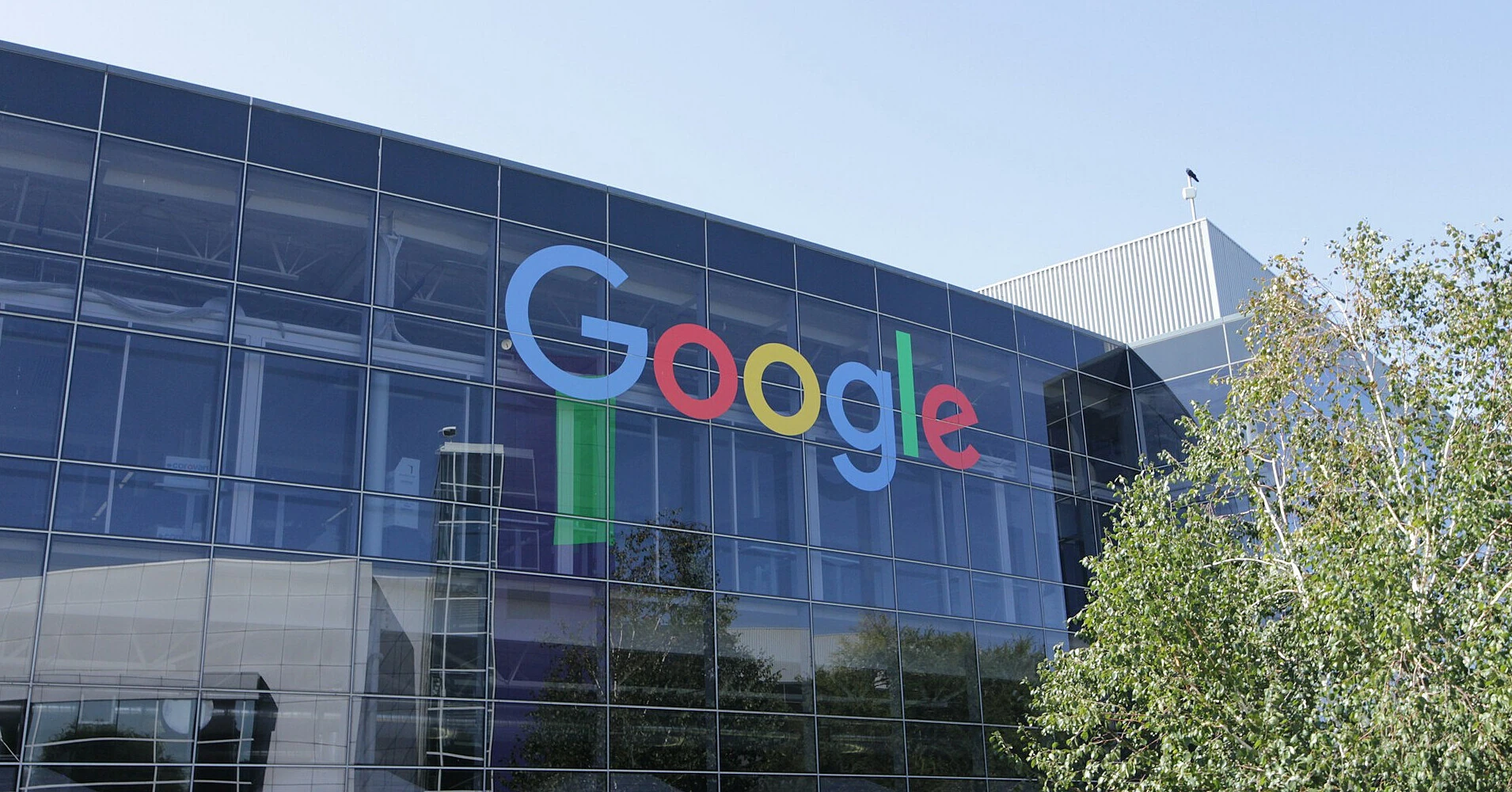
A US federal court rejected the Department of Justice's demand for the forced sale of Google's advertising exchange AdX. Instead of a structural separation of the company's advertising business, the judge opted for behavioral restrictions intended to make Google's advertising technologies more interoperable with competitors' products.
The ruling was issued by Judge Leonie Brinkema of the US District Court for the Eastern District of Virginia, Reuters and Reuters report.
The Department of Justice had sought to require Google to sell AdX, the advertising exchange through which publishers sell ad space in automated auctions. Authorities considered divesting this business as one of the key ways to restore competition in the advertising technology market.
Brinkema rejected this request. Thus, Google will retain control over AdX, but the company will have to change some of its advertising service practices.
According to Bloomberg Law, the court ordered Google to enable its advertising technologies to interoperate with competitors' systems. The exact list of restrictions is not yet known: the full text of the decision remains under seal for about two weeks so the parties can determine what information needs to be redacted before the document is published.
Ars Technica notes that the refusal to sell AdX is a significant victory for Google. The forced sale of the advertising exchange was the harshest remedy proposed by the authorities.
The new ruling does not overturn the court's earlier findings of antitrust violations.
In April 2025, Brinkema found that Google illegally monopolized two segments of the advertising technology market for publishers—ad servers and ad exchanges. The court concluded that the company tied its DoubleClick for Publishers server to the AdX exchange in a way that restricted competitors' opportunities.
However, the Justice Department failed to prove certain claims regarding monopolization of advertiser-facing tools.
After that, the case moved to determining remedies. The US Department of Justice argued that behavioral restrictions were insufficient and that separating AdX from Google was necessary to restore competition. The company countered that such a step would be excessive and could harm publishers and advertisers.
Google welcomed the court's decision. The company stated that it was pleased the court rejected the DOJ's proposal to break up tools used for customer acquisition.
This is the second major antitrust case in the US where Google has avoided forced divestiture. In 2025, in a separate case concerning its monopoly in internet search, the court also rejected the Justice Department's demand to force the company to sell the Chrome browser, limiting itself to other measures to enhance competition.
Sources: Bloomberg Law, Ars Technica, US Department of Justice
