
Maldives have become a new route for Russia to evade sanctions - WSJ
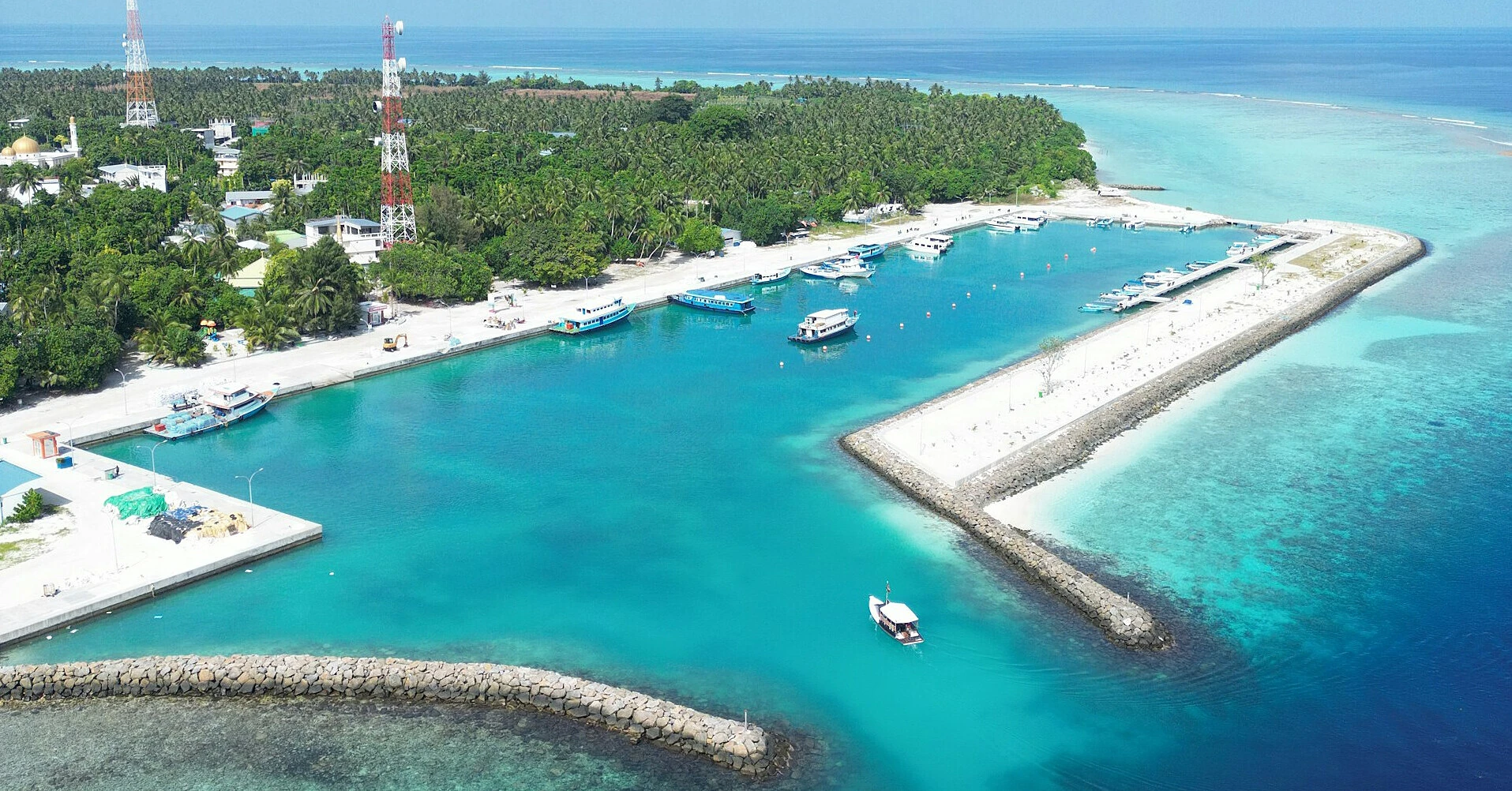
The Maldives have turned into a new transit channel through which Western goods subject to sanctions and export restrictions reach Russia. Among them are microchips, aviation components and dual-use equipment, according to The Wall Street Journal.
According to the publication, the scheme is centered around Male's international airport. Goods are delivered there from the US, Europe and China, then local intermediaries help re-register documents and send the cargo on to Moscow.
A key role in the route is played by regular Aeroflot flights. The cargo remains in the airport's transit zone, effectively not entering the Maldives' domestic market, and before being sent to Russia, new air waybills can be issued without information about the original seller.
WSJ established that among the items passing through Male were microchips that can be used both in civilian electronics and in guidance systems, optical equipment for satellite systems, and high-strength components for aviation equipment. After arriving in Russia, some of the products ended up with sanctioned companies, including entities of the airline S7 Airlines.
The scale of operations is indicated by the sharp increase in Russian imports from the country, which has almost no industry of its own. According to Import Genius, in 2021 Russia imported goods worth less than $7 million from the Maldives, while in 2022 the figure exceeded $630 million. In 2024 it stood at about $160 million.
Meanwhile, official Maldivian statistics show almost no trade with Russia. This discrepancy can be explained by the fact that a significant portion of the cargo passes through the country as transit and is not processed as regular import or export.
As one example, WSJ cites the delivery of German equipment that was originally destined for a buyer in Kyrgyzstan. After arriving in Male, the cargo was re-registered, and a few days later it was sent by Aeroflot to Moscow with a different recipient and no mention of the original German supplier.
The route through the Maldives is still significantly smaller than the main channels of sanctions evasion through China, Turkey, and the UAE. However, it demonstrates how widely Russia is building a network of alternative supply routes after the introduction of Western restrictions.
According to WSJ, the US and European countries are already increasing pressure on the Maldivian authorities to shut down this channel. One of the problems remains weak control of transit cargo: local customs officials have limited resources and mostly check documents without physical inspection of goods.
However, Male must take into account economic relations with Moscow. Russians remain the second-largest group of foreign tourists in the Maldives after Chinese citizens, so a conflict with Russia could create additional risks for the country's economy, which depends significantly on tourism.
