
Germany is preparing serial production of Seetaube maritime drones
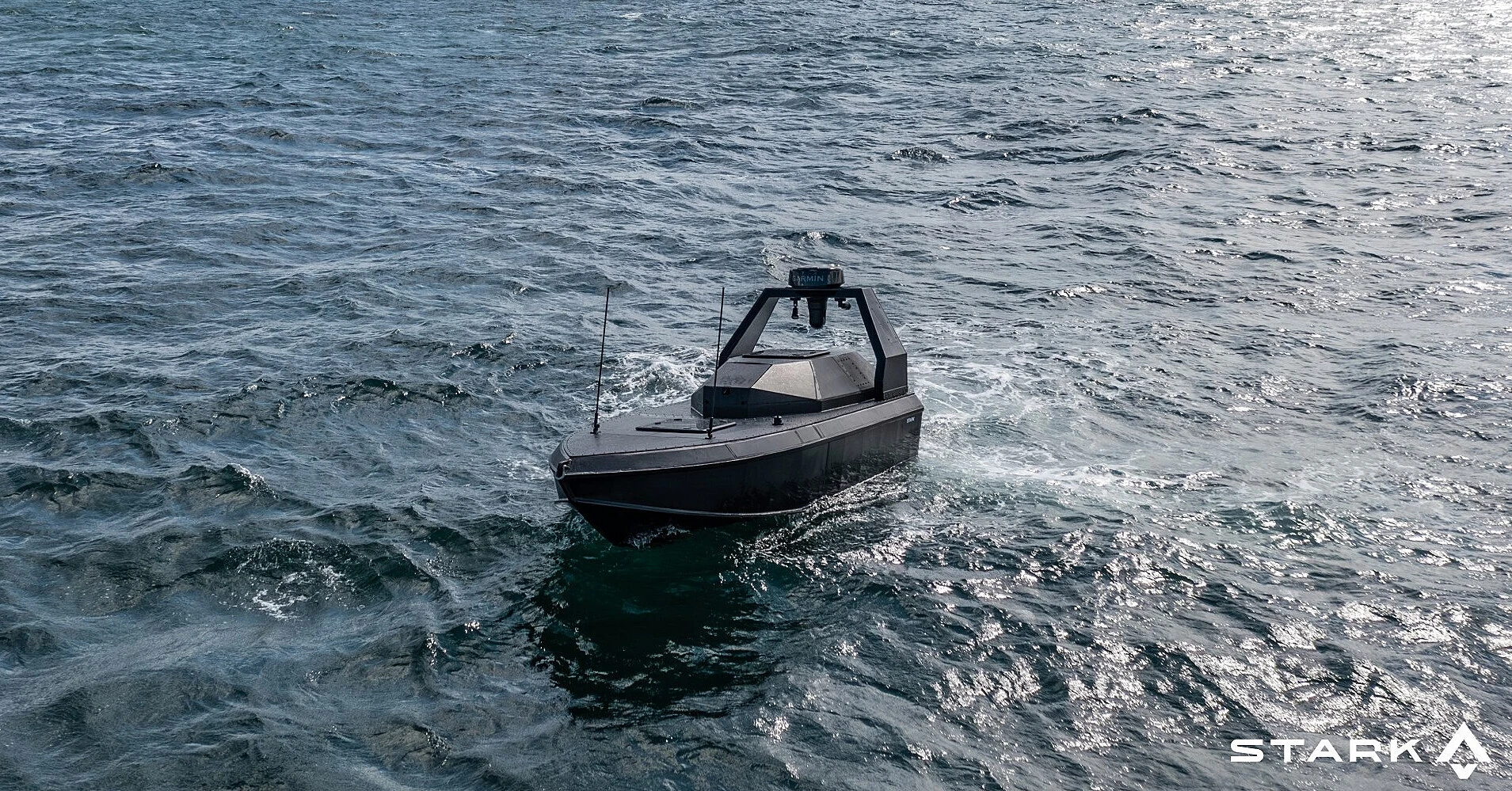
German defense company Stark Defence and Flensburger Shipyard (FSG) are preparing serial production of Vanta family unmanned surface vessels in Flensburg. Stark estimates that the shipyard could potentially build up to 100 such maritime drones per year.
The companies signed a memorandum of intent on joint production and scaling of unmanned surface systems. Stark is to provide autonomous control and artificial intelligence technologies, while FSG is to provide design and production capabilities of the shipyard. The goal of the partnership is to shorten production times and move to significantly larger series.
According to Max Berger, head of Stark's maritime division, the facilities in Flensburg will allow manufacturing up to 100 such vessels per year. The site is being prepared for new production, and the first Vanta is planned to be laid down at the shipyard in the coming weeks. At this stage, Stark is financing the start of work with its own funds.
However, this is not yet a large confirmed Bundeswehr contract. The signed document is a letter of intent, and the number of future orders of the German Navy and their value are not publicly determined. Stark and FSG plan to agree on specific parameters of joint production in the coming months.
The Vanta family includes a six-meter unmanned boat that the Bundeswehr received in August under the name Seetaube ("Sea Dove"). It was handed over to the Cyber and Information Space Command for testing in maritime reconnaissance.
Seetaube is equipped with cameras, radar and a set of sensors. The vessel can execute pre-programmed missions with a high degree of autonomy and move independently within given parameters, while the operator retains the ability to intervene.
According to the manufacturer, the six-meter Vanta can reach speeds over 45 knots, has a range of up to 910 nautical miles, and can carry up to 500 kg of payload. The platform is designed for reconnaissance, surveillance of the maritime environment, and protection of ports and critical infrastructure.
The current Seetaube configuration handed over to the German military is unarmed. However, the Vanta platform itself is modular: Stark has already demonstrated launching a Cascade loitering munition from it, meaning other versions could be used as carriers of weapons.
The need for such systems is associated by the companies with the increase in hybrid threats in the Baltic and North Seas—espionage, damage to underwater cables and other critical infrastructure, as well as interference with satellite navigation. German media also name maritime reconnaissance during countering the Russian "shadow fleet" in the Baltic Sea as one possible application.
For Flensburger Shipyard, the partnership means entering a new segment of defense production. The shipyard with more than 150 years of history, after financial problems, was taken over by Heinrich Rönner Group at the beginning of 2025. Production of unmanned systems is to become one of the directions of its further development.
Based on materials from: NDR, Hartpunkt, Stark Defence
