
Diesel breaks historic record in the US, Italy extends fuel discount due to rising prices
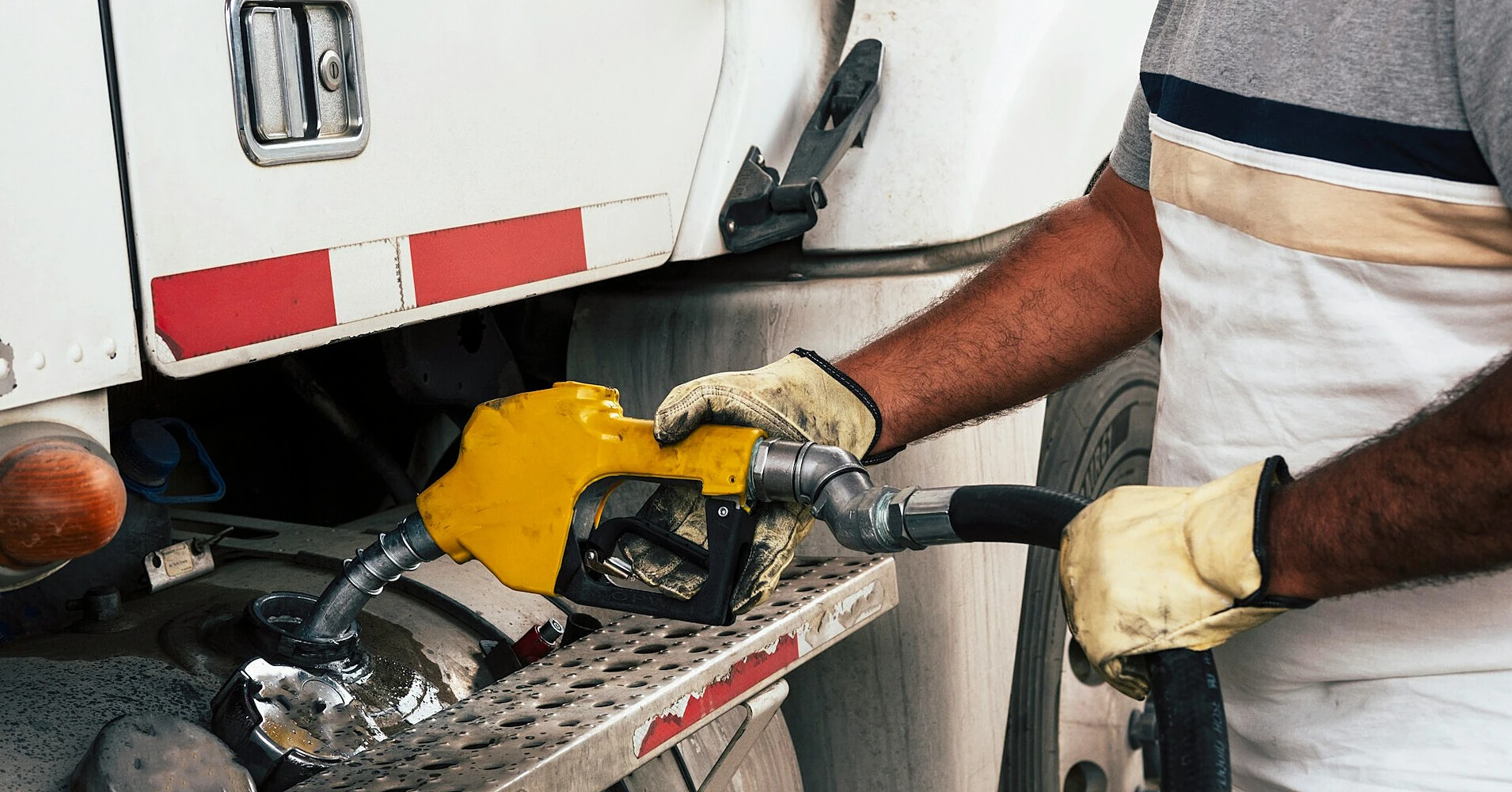
The global fuel crisis is increasingly shifting from oil quotes to ordinary gas stations and transportation costs. In the US, the average diesel price on September 4 reached a record $5.85 per gallon, exceeding the 2022 high.
In Italy, authorities decided to keep emergency support for motorists and businesses for a few more days: the discount on diesel of 17 euro cents per liter is extended until September 10.
Two news items show the same problem from different angles. Diesel is especially sensitive for the economy because trucks, agricultural machinery, part of rail transport, and construction equipment run on it. Therefore, its rise in price gradually appears not only in the receipt at the gas station but also in the cost of food, delivery, and other goods.
In the US, diesel has become more expensive than ever
According to the American Automobile Association AAA, the average price of diesel fuel in the US on September 4 rose to $5.85 per gallon.
The previous historic high was recorded in June 2022 after the start of Russia's full-scale war against Ukraine and amounted to $5.8159 per gallon.
On September 3, diesel averaged $5.7832, a month ago — about $5.37, and a year ago — only $3.71.
The comparison with the end of February 2026 is especially noticeable. On the eve of the war with Iran, American drivers paid about $3.76 for a gallon of diesel. Now the price is more than $2 higher.
Why diesel is under such pressure specifically
The high cost of oil is only part of the problem.
After the escalation of the war with Iran, the movement of energy resources through the Strait of Hormuz — a route through which a significant part of global oil trade normally passes — became seriously complicated.
At the same time, the global market faced a shortage of finished petroleum products.
Ukraine's strikes on Russian oil refineries reduced some capacities, and Russia limited diesel fuel exports. Additional pressure comes from restrictions on exports of petroleum products from some Asian countries.
American refineries are forced to allocate capacities between diesel and jet fuel, which has also sharply increased in price.
As a result, oil may enter the market, but refined diesel is insufficient to meet demand.
Why expensive diesel may end up in the price of food
For the average consumer, a record at the diesel pump may seem primarily a problem for truck owners. In practice, the consequences are much broader.
Diesel is used at almost all stages of moving goods:
- tractors and combines work in the fields;
- trucks deliver raw materials to enterprises;
- refrigerated trucks transport meat, dairy products, vegetables, and fruits;
- freight trains and ships move goods between regions;
- vans deliver orders to customers.
If a transport company has to pay much more for fuel, it usually cannot fully absorb these costs. Part of the expenses is transferred to the freight rate, and then to the final cost of the product.
Food products are especially sensitive: they must be transported constantly, and fresh products additionally require refrigeration equipment to work.
Farmers get a double blow
The beginning of autumn makes the situation especially inconvenient for US agriculture.
Diesel is needed for tractors, combines, and other heavy equipment precisely during the harvest season.
According to industry data, about three-quarters of agricultural machinery in the US uses diesel fuel.
At the same time, farmers face rising other costs, including fertilizers. Therefore, the increase in fuel prices may put additional pressure on farm profitability and the production cost of future products.
Italy chose a different path — temporarily reduced the tax
In Italy, the market price of diesel has also risen significantly above the usual level and exceeds €2 per liter.
To partially mitigate the price increase, the government of Giorgia Meloni began temporarily reducing the excise tax on diesel in the summer.
The current benefit was supposed to end on September 5, but on September 4 the authorities prepared another extension — until September 10, 2026.
The amount of support remains the same: about 17 euro cents per liter in the final diesel price.
The measure applies specifically to diesel fuel. There is no similar current discount on regular gasoline.
Where Italy gets the money for the discount
For the new extension, the government uses the mechanism of so-called adjustable excise taxes — accise mobili.
The logic is that when fuel prices rise sharply, the state receives more VAT. Part of the additional tax revenue can then be used for a temporary reduction of the excise tax, thus returning part of the price increase to consumers.
According to Italian media, the current extension is financed by additional VAT revenue in August.
This mechanism allows reducing the pump price without permanently changing the base tax system.
But even the discount did not bring diesel back to previous prices
The Italian example shows the limitations of such measures.
Reducing the excise tax by 17 cents allows a motorist to pay less than they would without government support, but the fuel itself continues to cost more than €2 per liter.
That is, the state compensates only part of the external price shock.
Italy has extended the temporary benefit several times after the escalation of the crisis in the Persian Gulf. The authorities are simultaneously discussing a transition from universal price reduction to more targeted measures for low-income families.
Why Italy supports diesel specifically
Diesel has particularly great economic importance for Italy due to road freight transport.
Most goods within the country are transported by road, so a spike in fuel prices quickly increases logistics companies' costs.
This means that the temporary discount is intended not only for owners of diesel passenger cars.
It indirectly reduces the costs of freight carriers, enterprises, and small businesses, which otherwise could more quickly pass fuel costs on to buyers.
Why the situation may remain difficult in autumn
No rapid disappearance of pressure on diesel is yet visible.
Geopolitical restrictions are compounded by a seasonal factor. In autumn, fuel use in agriculture increases, and as cold weather approaches, demand begins to grow for heating oil, which is closely related to diesel in composition and market.
Therefore, even stabilization of oil prices alone does not guarantee a rapid fall in diesel fuel prices.
Several conditions are now important for the market: restoration of normal shipping through Hormuz, increased production at oil refineries, and return to the market of diesel volumes that are currently absent due to problems with Russian and other supplies.
Record $5.85 in the US and another emergency extension of the tax discount in Italy show that the fuel crisis has entered a new phase: the problem is no longer just the price of a barrel of oil, but how much it costs to deliver real goods from producer to consumer.
