
US-Iran tanker war pushes oil prices to new highs
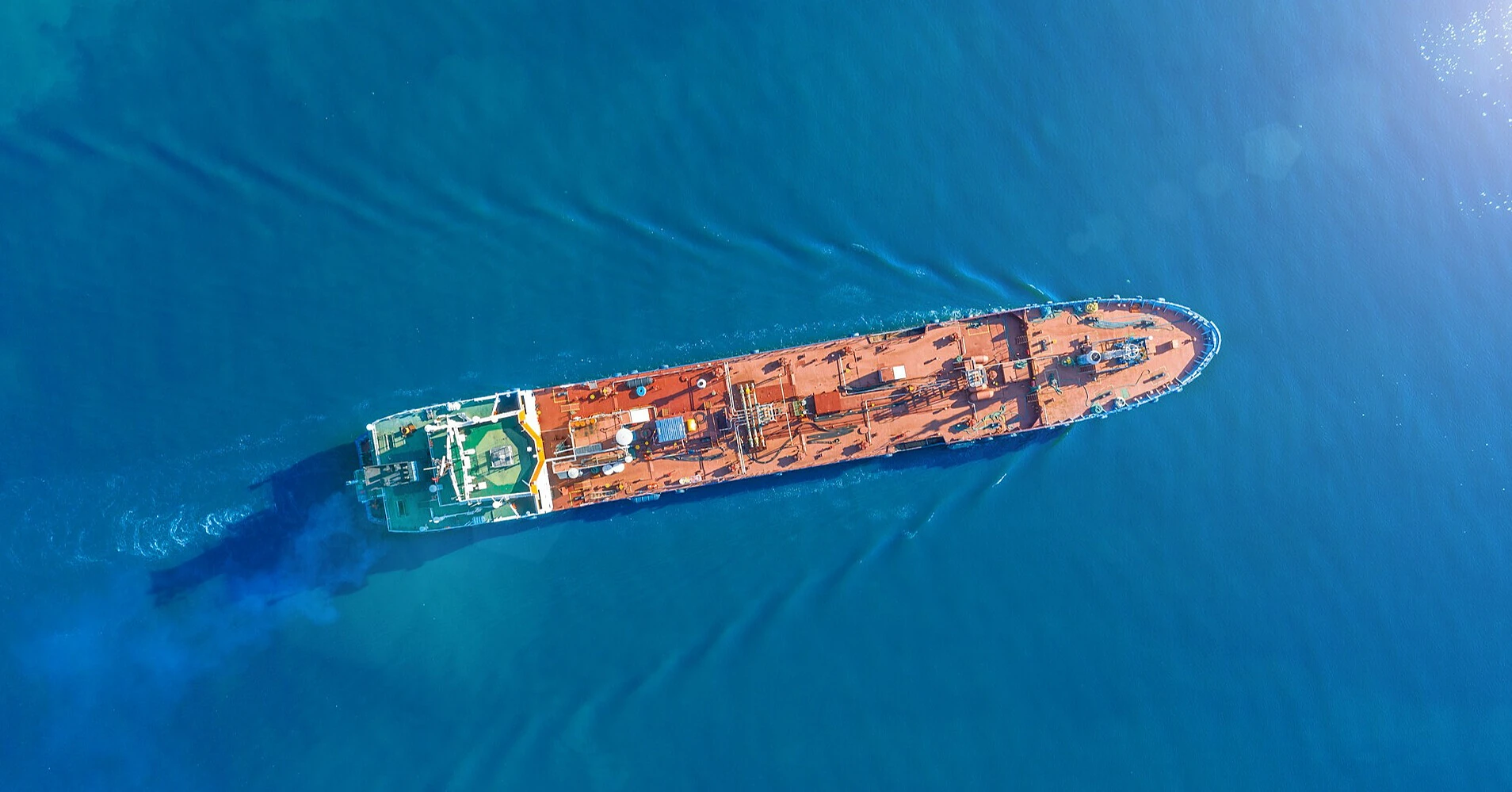
Oil prices continued to rise after the largest recent series of mutual strikes by the US and Iran on oil tankers. Additional pressure on the energy market was created by Tehran's statement about its intention to introduce a new restricted zone near the Strait of Hormuz - one of the key routes of global energy trade. This was reported by Bloomberg.
On Monday, September 7, Brent oil futures were trading near $97 per barrel, and US WTI - around $92. European natural gas prices in illiquid morning trading rose up to 4.2%.
The oil market accelerated its rise after a new round of escalation between Washington and Tehran over the weekend.
US attacked Iranian tankers
The US military said it struck three Iranian oil tankers, one of which was destroyed. Washington called it a response to attacks by the Islamic Revolutionary Guard Corps with ballistic missiles on US Navy ships.
Iran, for its part, claimed strikes on three tankers that, according to Tehran, were linked to the US and were moving along an unauthorized route through the Strait of Hormuz. There was no independent confirmation of damage to these three vessels at the time of publication.
Bloomberg notes that the weekend attacks became the largest exchange of strikes on tankers between the two countries so far in a conflict that has been seriously disrupting shipping in the region for about six months.
Iran prepares new restricted zone
Additional uncertainty for the market was created by the statement of the Secretary of Iran's Supreme National Security Council, Mohsen Rezaei. According to him, in the coming days Tehran will declare a new restricted zone beyond the Strait of Hormuz.
According to the Iranian side, it will start from the line of the US maritime blockade and extend to part of the Persian Gulf. Vessels that enter this zone contrary to the rules established by Tehran, Iran threatens to add to the sanctions list.
This step could further complicate the movement of tankers in the area through which critical for the global energy market flows of oil and liquefied natural gas pass.
Shipping has already dropped sharply
The actual movement of ships through the Strait of Hormuz has already dropped to the lowest level since May. According to data from analytics company Kpler, cited by Tagesschau, over the past ten days an average of only ten cargo ships per day passed through the strait.
As recently as September 4, this indicator exceeded 15 ships. On September 5, only two ships passed through the strait, and on September 6 - six.
LSEG data also shows that a tanker with petroleum products loaded in Saudi Arabia tried to exit the Persian Gulf through the Strait of Hormuz, but was forced to turn around. According to Kpler, no large VLCC-class oil tanker has exited through the strait since September 2.
The real reduction in the flow of ships amplifies traders' fears that a new round of military escalation could grow into prolonged disruptions in energy supplies.
Brent has risen almost 60% since the beginning of the year
Last week, oil prices already rose sharply after the resumption of hostilities between the US and Iran. Since the beginning of 2026, Brent has risen almost 60%.
Prices for certain petroleum products, especially diesel fuel, rose even more, as prolonged shipping disruptions via the Middle East limit not only crude oil supplies but also trade in finished fuel.
Further price dynamics will largely depend on whether tanker traffic through the Strait of Hormuz continues and how strictly Iran applies the announced new restrictions. A prolonged reduction in physical supplies via this route could increase the global market deficit and keep upward pressure on oil, gas and fuel.
Based on materials from: Bloomberg, Bloomberg, Tagesschau
