
ZNPP reconnected to Ukraine's power grid after nearly three weeks of blackout
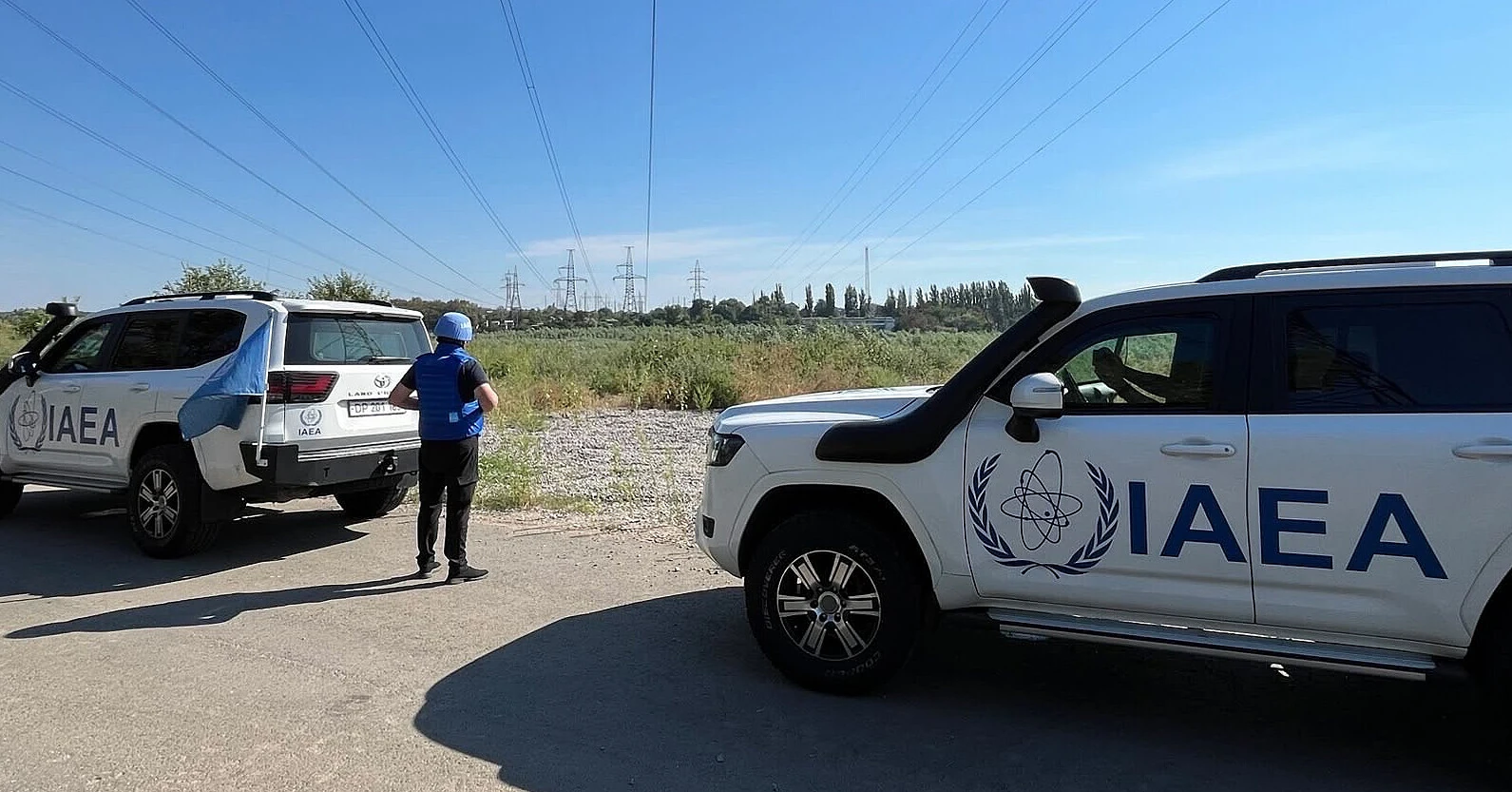
The Zaporizhzhia Nuclear Power Plant on September 7 received external power supply again after almost three weeks of running on emergency diesel generators. Ukrainian engineers repaired the damaged 330 kV line "Ferrosplavna-1", which allowed the plant to be connected to the Unified Energy System of Ukraine.
According to "Energoatom", power supply for the temporarily occupied plant's own needs was restored on September 7 at 19:02. After connection, the ZNPP's consumption was about 11 MW.
The repair became possible after an agreed local ceasefire. According to the IAEA, it was already the seventh local ceasefire organized with the agency's mediation to carry out work on power transmission lines near the plant.
Ukrainian specialists repaired "Ferrosplavna-1" for three days, after which the line was reconnected to the ZNPP. External power is necessary, in particular, for cooling reactors and spent fuel storage ponds, as well as for the operation of other nuclear safety systems.
The plant lost its last available external power line on August 20 due to hostilities. Since then, the ZNPP's critical systems have been running on emergency diesel generators.
The IAEA noted that by the time the line was restored, the situation was becoming increasingly risky: diesel fuel stocks for the generators were decreasing, and the plant was approaching the threat of a complete loss of electricity supply.
IAEA Director General Rafael Grossi called the restoration of external power an important step in preventing a nuclear accident and thanked Ukraine and Russia for agreeing to the local ceasefire needed for the repair.
"Energoatom" at the same time emphasized that stable guarantee of nuclear and radiation safety of the Zaporizhzhia NPP can be ensured only after the de-occupation of the plant and its return to the control of Ukraine and the Ukrainian operator.
Based on materials from: Energoatom, IAEA
