
Canada Responds to US with Counter-Tariffs: Trade War Intensifies
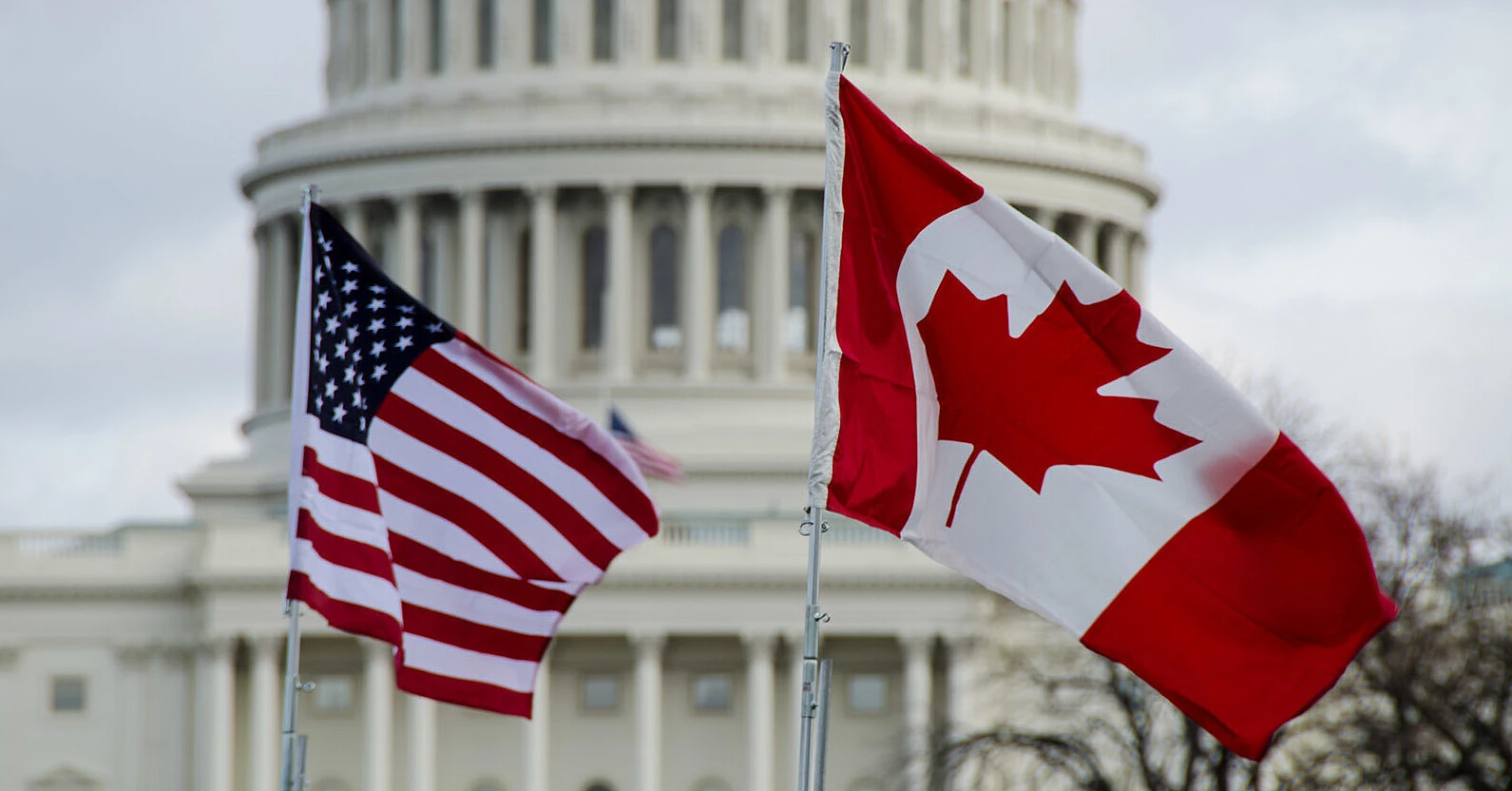
On September 8, Canada introduced new tariffs ranging from 15% to 50% on hundreds of American goods, responding to the latest round of tariffs by the administration of US President Donald Trump. Thus, the trade war between the two largest partners has entered a new phase after failed attempts to reach a de-escalation agreement.
Canadian counter-tariffs came into effect at 00:01 Eastern Time. They cover approximately 27.6 billion Canadian dollars of American imports and, according to the Canadian government's formulation, should match American measures "dollar for dollar".
For a significant portion of American steel and aluminum products, Canada increased existing tariffs from 25% to 50%. Countermeasures also extend to dairy products, household appliances, agricultural equipment, pulp and paper products, electronics, and a number of consumer goods. In total, according to Canadian Global News, the list includes over 700 product items. Current Canadian tariffs on American automobiles remain in effect.
The new measures are a response to American tariffs of 50% on Canadian goods of approximately the same value, which took effect on August 22. Canadian authorities are trying to concentrate the impact on sectors most associated with American trade restrictions.
Negotiations Collapsed Just Before the Deadline
The current round of conflict is the result of the failure of trade negotiations between Washington and Ottawa. The sides spent several weeks trying to reach an agreement to reduce tensions and in August were close to a preliminary agreement, but negotiations collapsed at the final stage.
Canadian Prime Minister Mark Carney stated that the American side made demands at the last moment that Ottawa considered unacceptable. According to the Canadian side's version, these could limit the country's ability to conclude trade agreements with other states and worsen the position of Canada's automotive industry. The US, in turn, accused Canada of reneging on previously agreed terms.
Carney emphasizes that Canada is ready to return to negotiations, but only under the condition of a "sustainable" agreement that allows its automotive, steel, and aluminum industries to remain competitive.
Washington May Respond with New Measures
The current round of Canadian tariffs may not be the last. The American administration has already warned that it is considering additional measures against Canada, including new tariffs and potential restrictions on certain types of imports.
Before the Canadian tariffs came into effect, Trump threatened to ban the sale of Bombardier aircraft in the US, accusing the Canadian manufacturer of excessive dependence on the American market. At the same time, Bombardier has more than 2,800 suppliers in the United States, and certain components of its aircraft are produced in Texas, Iowa, and Indiana.
Trump also threatened to raise tariffs on Canadian automobiles, auto parts, and steel to 50% from January 1. Bloomberg notes that formal steps to introduce these rates have not yet been taken, so it remains unclear whether they will become Washington's next response to Ottawa's actions.
Trade War Creates Risks for Both Economies
For Canada, the escalation is especially risky due to the deep integration of its economy with the US. Canadian economists warn that a new round of tariffs could slow investment, increase inflationary pressure, and hurt businesses oriented toward the American market.
According to an estimate by the Bank of Montreal cited by The Canadian Press, the latest round of trade war could take about 0.5 percentage points off Canada's economic growth. Capital Economics warns that the risk of recession will increase even more if the US responds with new tariffs to Canadian measures.
At the same time, tariffs are also painful for American business. Companies from Michigan and Ohio are considered especially vulnerable, as well as automobile manufacturers, whose supply chains have been formed for decades as a single North American system. Bloomberg notes that the Canadian government actually hopes that rising costs for American companies will increase domestic pressure on Washington and eventually bring the sides back to the negotiating table.
No such turn has occurred yet: no new talks were scheduled between the sides before the introduction of Canadian tariffs. Ottawa states that it seeks a long-term agreement but is prepared to maintain countermeasures until Washington offers acceptable terms.
Source: Bloomberg, Global News, CityNews / The Canadian Press
