
Gold balances between Fed policy and geopolitical risks
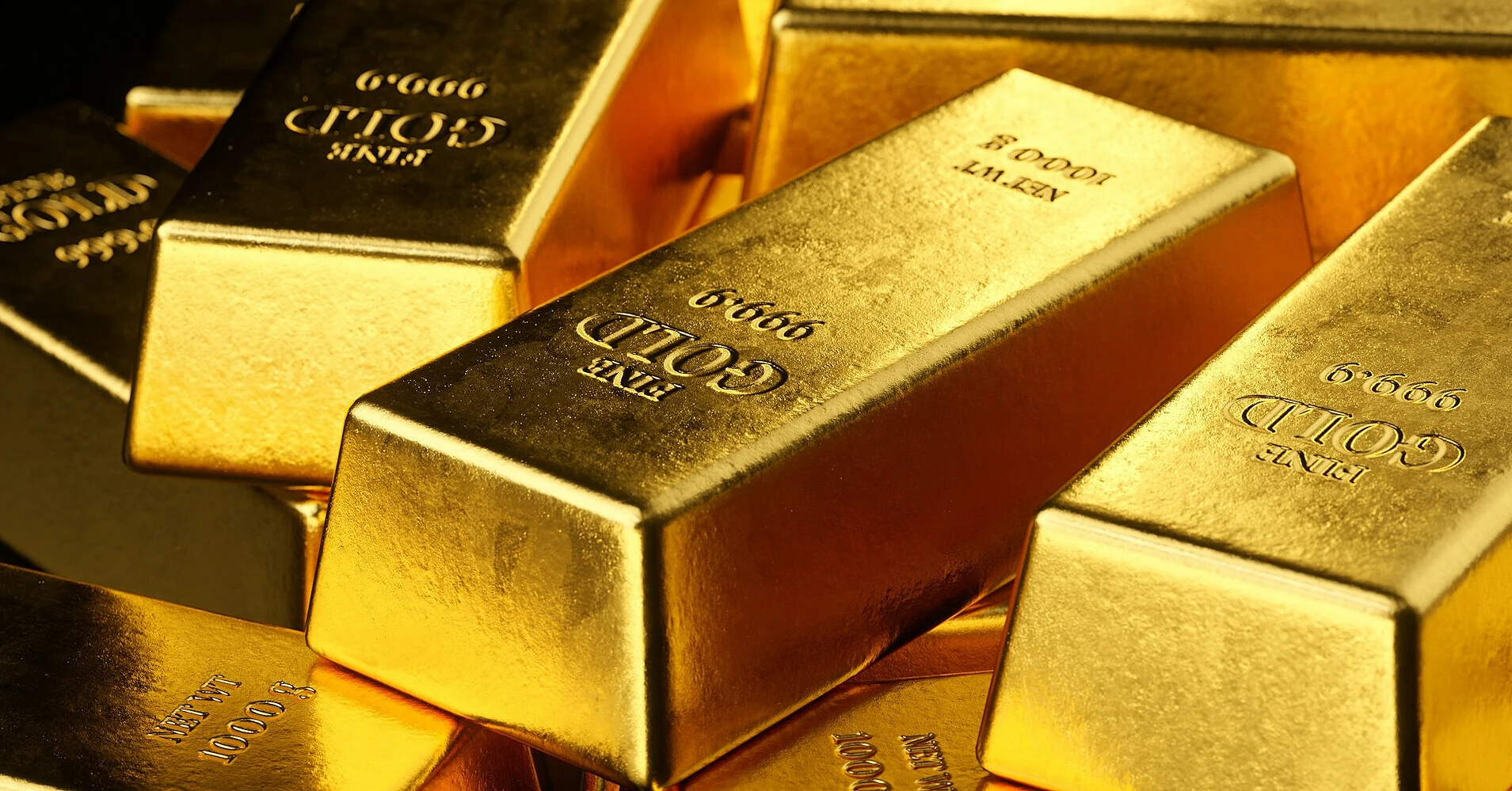
The precious metals market in 2026 is experiencing one of the most volatile periods in recent years. Both gold and silver have managed to set new all-time highs, followed by a deep correction. However, the reasons behind the movement of these two metals differ significantly.
Gold remains primarily a safe-haven asset and a tool for diversifying reserves, while silver is both a precious and an industrial metal. Therefore, silver reacts much more strongly to the state of the global economy, industrial production, demand from solar energy, and the situation with physical inventories.
As of September 8, 2026, the spot price of gold is approximately 4,433 dollars per troy ounce, and silver is about 66.96 dollars. On that day, gold was up about 0.6%, while silver gained 1.2%. The main short-term supportive factors were a weaker dollar and expectations for new US inflation data.
At the same time, both metals are well below their historical highs.
In early 2026, gold experienced an unprecedented rally. The price exceeded 5,000 dollars per ounce for the first time in history, then continued to move upward.
The all-time high was recorded on January 29, 2026. Depending on the market used and the type of quote, several close values are seen: around 5,595–5,598 dollars per troy ounce. For example, historical data fix a high of 5,598.30 dollars.
Thus, it was January 2026 that became the culmination of gold's multi-year bull trend. But then a sharp decline began. By September 8, the spot price is approximately 4,433 dollars per ounce. If we compare it with the all-time high of 5,598.30 dollars, we get:
($5,598.30 − $4,432.79) / $5,598.30 × 100 ≈ 20.8%
That is, gold is now about 20.8% below its all-time high.
However, this decline cannot be called a market crash. Even after such a correction, gold remains significantly more expensive than a year ago, and the fundamental factors that supported the multi-year growth largely remain in place.
World Gold Council noted that already in the first half of 2026, gold demonstrated extremely strong dynamics: in January the price rose above $5,500, then in June it fell below $4,000. Such volatility reflected sharp changes in expectations regarding interest rates and the geopolitical situation.
Why gold rose so sharply
The current gold cycle began long before 2026. A crucial turning point was the change in central banks' attitude towards gold.
After the freezing of Russian currency reserves in 2022, many states began to pay much more attention to the structure of their own reserves. Gold, unlike government bonds, is not a liability of another state.
Central banks of developing countries began to actively increase gold reserves.
This trend continued in 2026. In July, central banks worldwide increased gold reserves by about 23 tonnes. China bought about 20 tonnes, Poland 8 tonnes. At the same time, Russia, on the contrary, sold gold.
Thus, central bank demand has become one of the most important structural factors of the market.
The main factors determining the price of gold
1. Fed interest rates
This is one of the most important short-term factors. Gold does not yield interest income. Therefore, when US bond yields rise, holding gold becomes relatively less attractive. Conversely, expectations of rate cuts usually support the precious metal.
That is why the market is now closely watching US inflation and Federal Reserve decisions.
The situation in September is especially interesting: strong US employment data increased the likelihood of rates being kept unchanged or even raised, putting pressure on gold. As of September 8, traders estimated the probability of a Fed rate hike at the next meeting at about 58.4%.
2. US bond yields
This is closely related to Fed rates, but does not fully coincide with them. For the gold market, the real yield on US bonds—yield adjusted for inflation—is especially important. If an investor can receive a high real yield on US government bonds, the need to hold gold decreases.
If real yields fall, gold becomes more attractive.
3. Dollar exchange rate
Gold is traded in dollars, so there is often an inverse relationship between the value of the American currency and gold. A weaker dollar makes gold cheaper for buyers using other currencies, thus stimulating demand.
That is exactly what happened on September 8: the dollar index fell by about 0.3%, while gold rose by 0.6%.
But in recent years this relationship has become less reliable: gold can rise even simultaneously with a strong dollar if investors are concerned about geopolitics, fiscal risks, or the stability of the global financial system.
4. Geopolitical risks
Wars, international conflicts, sanctions, and political instability traditionally support demand for gold. Currently, this factor is especially important due to a new round of tensions in the Middle East.
On September 8, Brent crude prices approached 97 dollars per barrel amid an escalation of the conflict between the US and Iran and threats of supply disruptions through the Strait of Hormuz.
Such a situation simultaneously supports gold as a safe-haven asset and creates new inflationary risk for the global economy.
5. Central bank purchases
This is the most important long-term factor. Central banks view gold not just as an investment asset, but as part of international reserves. According to World Gold Council estimates, gold's share in global official reserves reached about 27% by the end of 2025, exceeding the share of US Treasury bonds for the first time.
If this trend continues, it can provide fundamental support for gold even during periods of rising interest rates.
6. Investment demand
Purchases of gold ETFs, funds, coins, and bars are of great importance. When investors fear a fall in the stock market, inflation, or a financial crisis, demand for ETFs and physical gold increases.
Conversely, capital outflows from gold funds can accelerate a correction.
